IN Brief:
- EU member states have approved €540m of agricultural-reserve funding for affected farmers.
- National governments may add funding equivalent to as much as 200% of their EU allocation.
- Payments must be distributed by 28 February 2027 using objective and non-discriminatory criteria.
The European Commission has secured member-state approval for €540m of emergency support for farmers facing sharp increases in fertiliser and energy costs.
The funding will be drawn from the EU agricultural reserve and allocated through national envelopes. Governments must direct the money towards the farmers, products, and sectors most affected by rising costs and distribute support by 28 February 2027.
France receives the largest allocation at €107.1m, followed by Poland at €66.6m, Germany at €60.3m, Spain at €50.2m, and Italy at €45.6m. Romania receives approximately €30m, while the remaining envelopes range from €20.8m for Greece to €1.1m for Malta.
Member states may supplement their allocation with national funding equivalent to as much as 200% of the EU contribution. Payments must use objective and non-discriminatory criteria while avoiding overcompensation and distortion of competition.
The package responds to liquidity pressure caused by higher fertiliser, fuel, electricity, and other agricultural input costs associated with disruption in the Middle East. It forms part of the wider EU Fertilisers Action Plan adopted in May.
Input costs move through the production chain
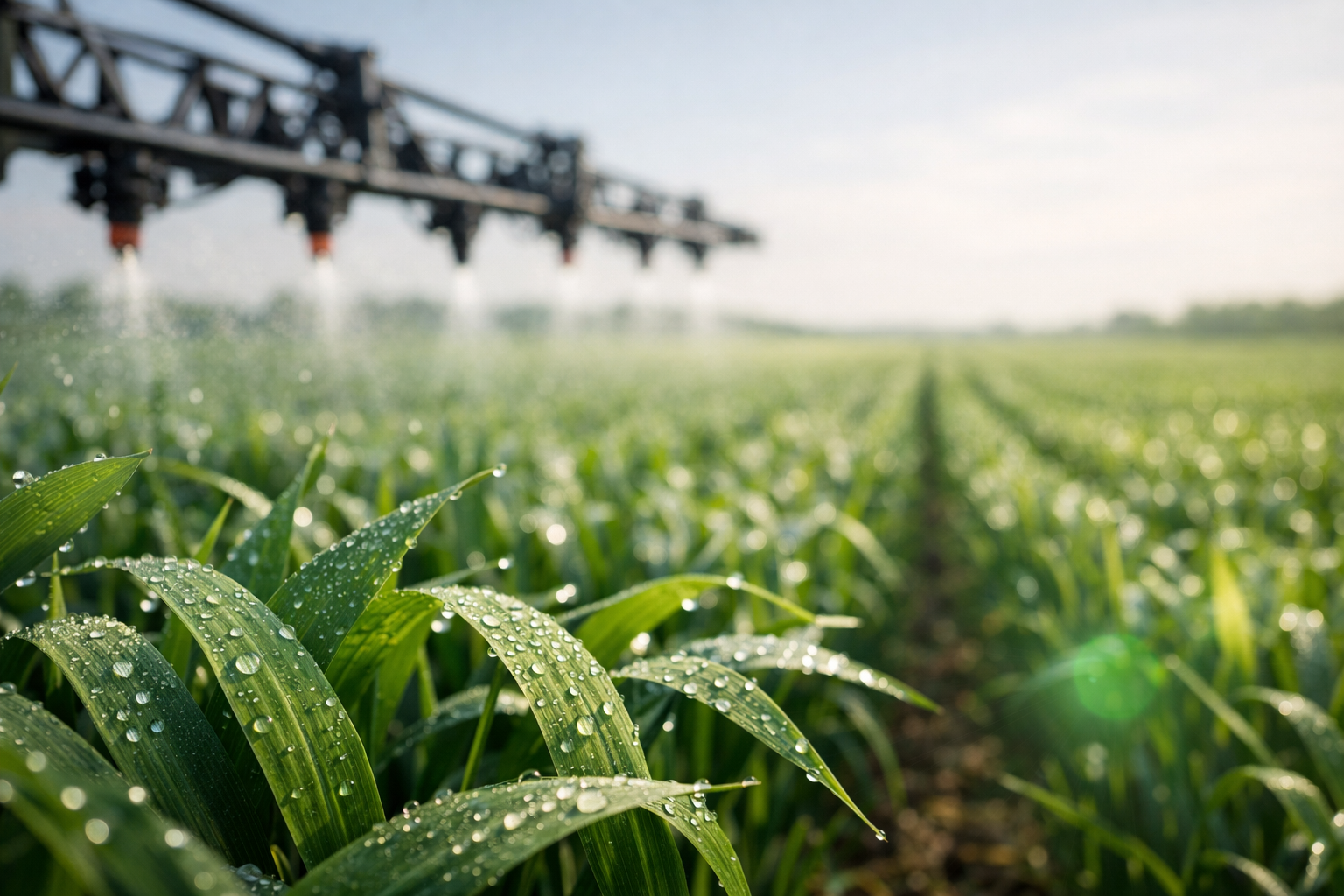
Fertiliser prices influence food manufacturing before crops reach a factory, since growers may reduce application rates, change planting decisions, delay investment, or accept lower expected yields when nutrient costs become unaffordable.
Those decisions can alter both volume and quality. Protein in milling wheat, oil content in oilseeds, crop size, dry matter, sugar, and storage behaviour are all influenced by agronomy, nutrient availability, and growing conditions.
The 2027 production cycle is already approaching for several commodities, with farmers required to make planting, seed, nutrient, and contracting decisions months before harvest. Those commitments are made without certainty over selling prices or the duration of current energy and fertiliser pressure.
Emergency liquidity may prevent immediate reductions in planted area or input use, although it cannot remove Europe’s structural exposure to imported energy and fertiliser raw materials. Nitrogen fertiliser production remains closely linked to natural gas, allowing energy disruption to move quickly into crop economics.
Manufacturers experience the effect differently according to their sourcing model. Businesses buying directly from growers or through long-term contracts may encounter the pressure during annual negotiations, while processors using traded commodities see it through market prices, availability, and specification changes.
Ingredient suppliers can absorb some variation through stock, alternative origins, blending, or adjusted specifications. Those measures become harder when several European markets are affected simultaneously or when substitute origins introduce different quality, tariff, traceability, or transport requirements.
The UK’s Supply Chain Centre has similarly identified fertilisers among the materials requiring stronger risk visibility. Agricultural inputs are increasingly being treated as strategic production infrastructure rather than routine farm purchases.
National top-ups could produce uneven support across the single market, since countries with greater fiscal capacity can provide substantially larger packages than those relying solely on their EU allocation. The resulting differences may influence crop competitiveness and investment between neighbouring markets.
Governments must also decide which sectors have experienced the greatest pressure. Energy and fertiliser exposure varies considerably between cereals, vegetables, dairy, livestock, potatoes, sugar beet, permanent crops, and glasshouse production.
A payment based mainly on farm size may fail to reflect where nutrient, fuel, irrigation, drying, heating, or refrigeration costs have risen most sharply. Allocation methods will need enough detail to direct support without creating an administrative process that delays payments beyond the relevant production decisions.
Authorities must also account for temporary state-aid measures and private support so that the same loss is not compensated twice. That creates additional verification work at a point when the programme is intended to move funding quickly.
Longer-term resilience will depend on domestic fertiliser production, lower-carbon ammonia, nutrient recovery, digestate use, precision application, soil management, and strategic storage. Each option carries different infrastructure, cost, quality, and regulatory requirements.
Food processors will need to monitor how national governments distribute the funding and whether the resulting support changes planting intentions in the crops they buy. An allocation directed towards one sector may alter land use, contracting, or input availability elsewhere.
Weather will continue to determine the final crop outcome even where support preserves planned input use. Drought, excessive rainfall, heat, flooding, and disease can still disrupt yield and quality after fertiliser and seed decisions have been made.
The €540m package can relieve immediate liquidity pressure before the next production cycle, while the resulting ingredient market will remain shaped by energy, fertiliser supply, weather, farm margins, and the commercial terms offered by processors and traders.