IN Brief:
- Fazer has established its first group-wide Nutrition Commitment, covering more than 2,000 products and extending through 2030.
- The programme addresses wholegrains, fibre, salt, sugar, portion sizes, and functional nutrition, with category-specific development priorities.
- Fazer aims to increase the share of wholegrain products in its Finnish bread sales from more than 57% to 65% by 2030.
Fazer has introduced its first group-wide Nutrition Commitment, establishing product development priorities through 2030 across a portfolio of more than 2,000 foods, including bread, breakfast products, confectionery, chocolate, and snacks.
The Finnish food manufacturer has identified five priorities: increasing wholegrain and fibre content, reducing salt and sugar, managing portion sizes, and developing products with additional functional nutritional benefits. Individual business areas will determine which measures are most relevant to their portfolios.
Fazer has also joined the Nutrition Commitments programme operated by the Finnish Food and Drink Industries’ Federation. The company intends to report annually on its activities under the programme, providing a continuing account of how its product development priorities are being implemented.
The approach reflects the substantial differences between the food categories manufactured by the group. Bread, breakfast products, confectionery, and chocolate require different formulations and processing methods, so changes intended to improve nutritional composition must be evaluated against the physical and sensory requirements of each product.
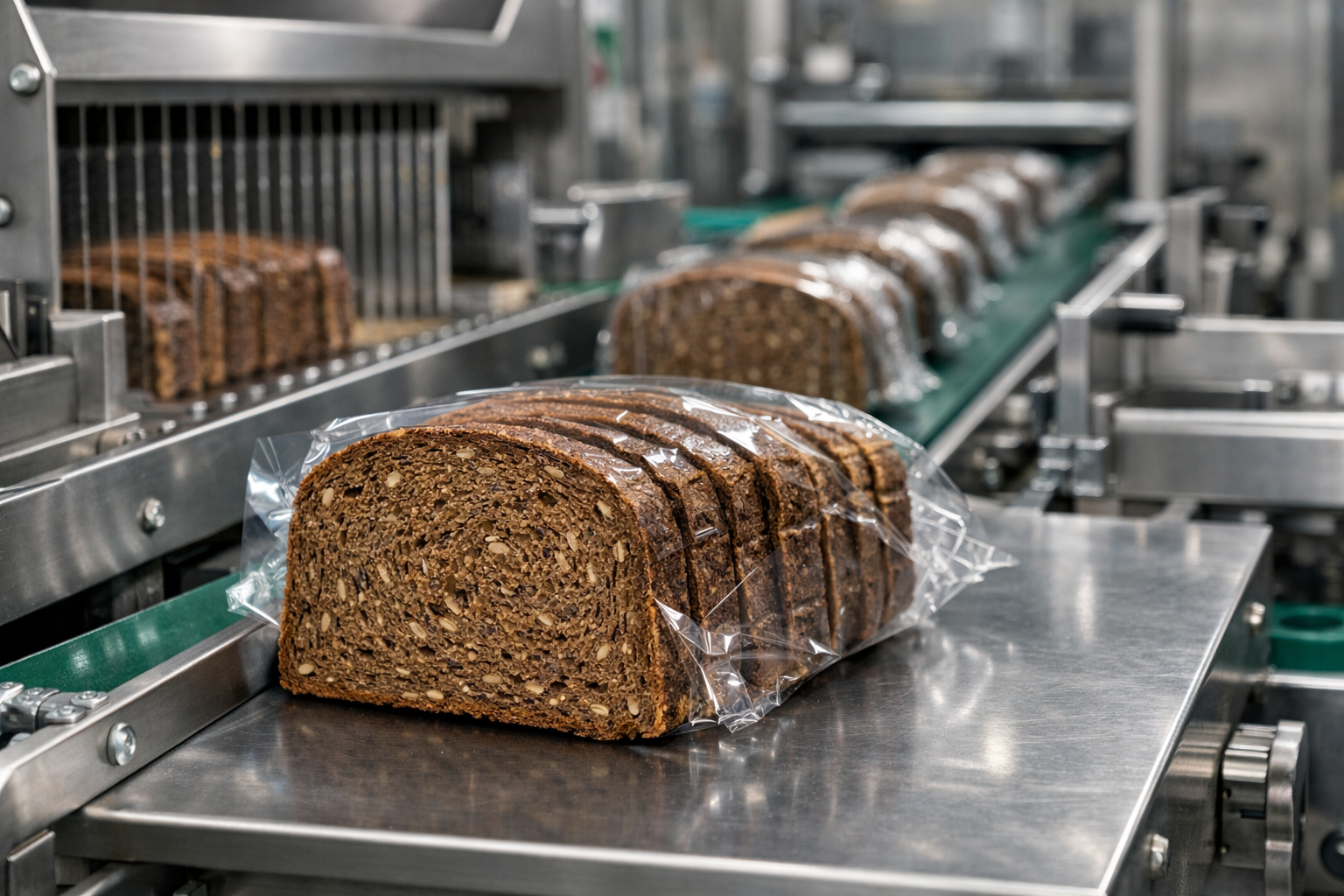
Wholegrain content provides one of the programme’s clearest numerical objectives. In Finland, products containing wholegrains currently account for more than 57% of Fazer’s bread sales. The company aims to increase that share to 65% by 2030.
The target concerns the proportion of Finnish bread sales attributable to wholegrain products, rather than a requirement for every bread recipe to contain 65% wholegrain material. Progress could consequently reflect the introduction of new products, changes to existing formulations, and shifts in the sales mix.
Fazer’s Alku breakfast portfolio already has a substantial wholegrain component, with more than 90% of the products in the range classified by the company as wholegrain products. The commitment is intended to build on existing development work while expanding the availability of products with the specified nutritional characteristics.
Increasing wholegrain content can introduce technical considerations in industrial bakery production. Wholegrain flours contain components of the grain that are reduced or removed during the production of more refined flours, including bran and germ, which can affect water absorption and dough behaviour.
Bran particles can influence the structure of dough and the distribution of water within a formulation. The resulting processing characteristics depend on grain type, flour particle size, ingredient ratios, and the mixing and fermentation conditions used by the manufacturer.
Changes to wholegrain ingredients may therefore require adjustments to hydration, mixing, or other processing parameters to maintain the required product structure. The extent of any adjustment is product-specific, and Fazer has not identified particular production lines or equipment modifications arising from its new commitments.
Salt reduction remains a priority within the company’s bakery operations. Salt contributes flavour but can also affect the behaviour of dough during mixing and fermentation, so reducing its concentration must be assessed against the characteristics of the finished product.
The interactions between salt, yeast activity, dough development, and processing conditions vary according to the recipe and production method. A revised formulation must continue to meet the manufacturer’s established specifications for handling, appearance, texture, and shelf life.
Sugar reduction is a separate priority for everyday breakfast and snacking products. Sugar can influence sweetness, solids content, moisture behaviour, and texture, depending on the type of food and the ingredients used alongside it.
In bakery formulations, changing sugar levels may affect browning and moisture retention. In other products, sugar contributes to the balance of dissolved and dispersed ingredients, meaning that a reduction may require changes to the overall formulation rather than a simple adjustment to one ingredient quantity.
Fazer has not published a uniform percentage reduction target for salt or sugar across its entire product portfolio. Each business area will instead concentrate on measures relevant to its products, allowing different development approaches across the group’s manufacturing activities.
Confectionery, chocolate, and sweet bakery products will place particular emphasis on portion sizes and energy density. The company expects to develop new products and pack formats that provide different serving options, rather than changing every established recipe.
Changing portion sizes can introduce packaging and manufacturing requirements even where the underlying formulation remains unchanged. Smaller portions may need different depositing, cutting, weighing, or packing arrangements, depending on the equipment and product format involved.
Pack changes can also affect secondary packaging dimensions, product counts, labelling, and line scheduling. Fazer has not specified any packaging equipment investments associated with the commitment, so these are general operational considerations rather than confirmed modifications to its factories.
Functional nutrition provides another area of development. Fazer already manufactures products with higher protein or fibre content and products fortified with vitamins or minerals, with the new commitments intended to guide further innovation.
Increasing protein or fibre content can change how ingredients interact during processing. Protein sources differ in solubility, water binding, and other functional properties, while fibre ingredients may influence viscosity and texture. The appropriate formulation depends on the desired nutritional characteristics and the physical requirements of the finished food.
Vitamin and mineral fortification introduces additional requirements for ingredient dosing and verification. Manufacturers must assess whether the intended nutrient levels are achieved in the finished product and whether the relevant ingredients remain suitable throughout processing and storage.
Fazer has identified its Puikula Thin Rye bread as an example of targeted development. The product is intended to be suitable for people following a low-FODMAP diet and received a Finnish food innovation award in 2026. Its formulation provides an example of addressing a specific dietary requirement within an established bakery category.
The company has also indicated that many longstanding products will retain their existing recipes. Its commitment is expected to influence the development of new foods, revised formulations, and alternative pack sizes without requiring wholesale reformulation of established products.
This distinction leaves room for different technical approaches across the portfolio. A new high-fibre breakfast product may require ingredient and processing changes, while a revised confectionery portion can involve different product dimensions or packaging without an equivalent change to its ingredient composition.
Fazer has not quantified the manufacturing expenditure needed to implement the commitments or identified a complete programme of factory changes. Its published targets provide a framework for product development rather than a list of approved capital projects.
Annual reporting to the Finnish Food and Drink Industries’ Federation will provide a means of monitoring the company’s actions. The 65% wholegrain share of Finnish bread sales is currently the clearest numerical target, while progress on the other priorities will depend on the further product and portfolio information disclosed through the programme.