IN Brief:
- Odisha has cleared Haldiram Snacks Food's proposed ₹500 crore food-manufacturing investment.
- The new operation is planned to produce packaged snacks and baked products in Khordha/Cuttack.
- Around 800 jobs are associated with the project, although construction and commissioning dates remain undisclosed.
Haldiram Snacks Food has secured state-level approval for a ₹500 crore food-manufacturing project in Odisha, with the proposed operation set to produce snacks and baked goods in the Khordha/Cuttack area and create around 800 jobs.
The investment was among 14 industrial proposals cleared by Odisha’s State Level Single Window Clearance Authority, which approved projects worth around ₹2,780 crore across food processing, textiles, chemicals, pharmaceuticals, electronics, steel, and infrastructure. The combined package is expected to support more than 14,000 jobs across ten districts.
Haldiram’s proposal is the largest individual investment identified in the latest clearance round. The state has so far described it as a snacks and baked-products manufacturing operation, without publishing production capacity, detailed line configurations, construction dates, or a commissioning timetable.
The approval therefore marks a project-development step rather than the arrival of new manufacturing capacity. Land development, detailed engineering, equipment procurement, construction, commissioning, and production validation still have to follow before the facility contributes finished products to Haldiram’s network.
The planned plant extends a manufacturing business that has moved considerably beyond the traditional namkeen and sweets on which the Haldiram name was built. Its current packaged-food portfolio spans savoury snacks, sweets, bakery products, frozen foods, ready-to-eat products, dairy lines, chocolates, and beverages, requiring production systems capable of supporting very different process and shelf-life requirements.
A new eastern Indian production base could also alter the company’s distribution economics. High-volume packaged snacks are comparatively inexpensive relative to the physical space they occupy, so moving finished goods over long distances adds freight, handling, and inventory cost. Capacity located closer to regional demand can shorten replenishment routes and reduce the amount of stock required to bridge transport lead times.
Odisha has been seeking a larger share of India’s food-processing investment as part of a wider industrial-development programme. The latest approvals extend across Angul, Balangir, Cuttack, Dhenkanal, Ganjam, Keonjhar, Khordha, Nayagarh, Nuapada, and Sundargarh, spreading new manufacturing proposals beyond a single established industrial cluster.
Food production brings a particular set of infrastructure requirements to that programme. Reliable electricity and water are only the starting point: large packaged-food plants also require hygienically designed production areas, segregated raw-material storage, drainage, cleaning systems, waste handling, laboratories, compressed air, packaging utilities, finished-goods warehousing, and road links capable of supporting continuous ingredient and product movements.
A combined snacks and bakery facility further complicates the site design. Fried or extruded snack lines typically involve oil management, seasoning systems, conveying, weighing, and rapid flexible packaging, while bakery production adds mixing, dough handling, forming, baking, cooling, moisture control, and potentially different allergen regimes.
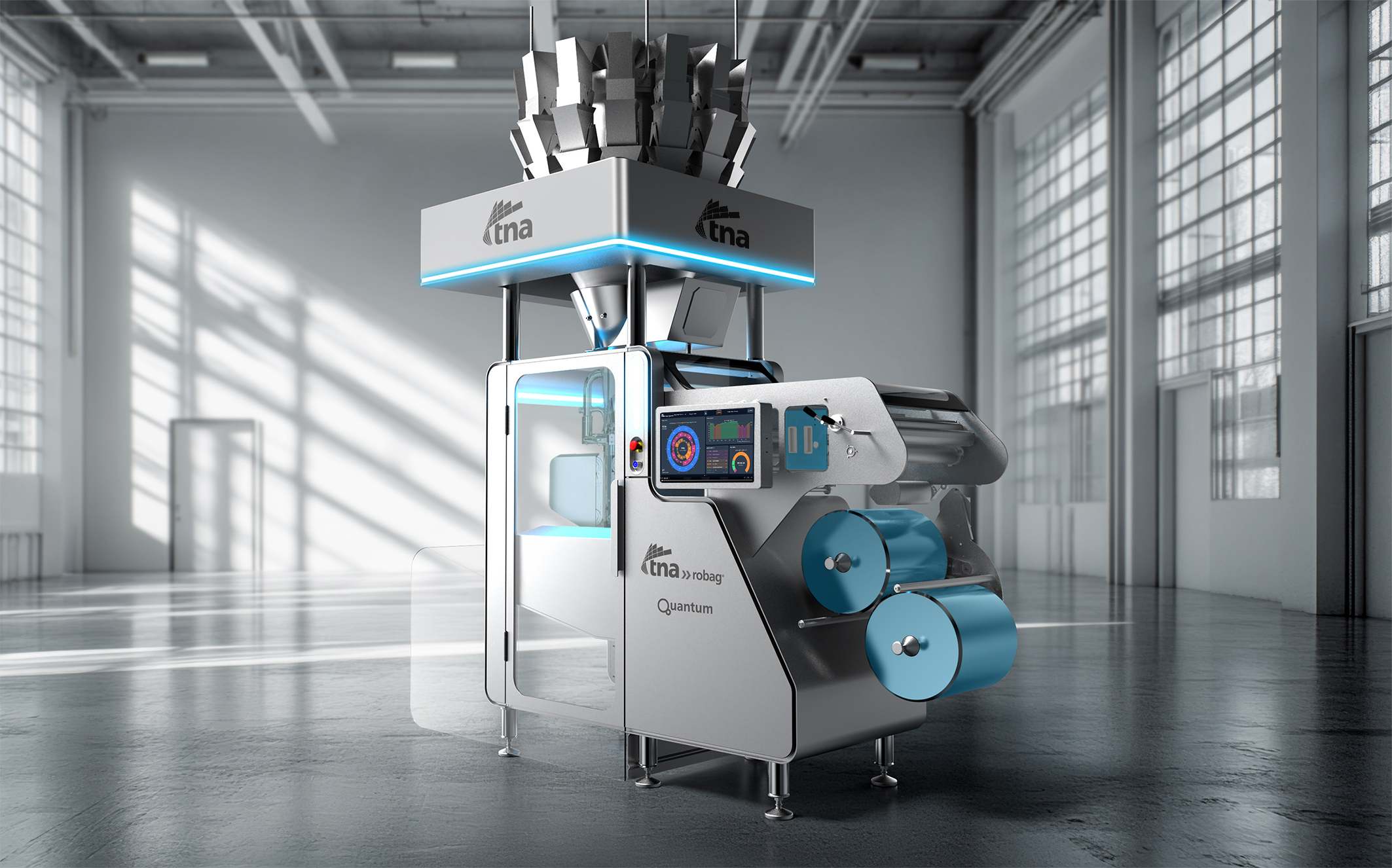
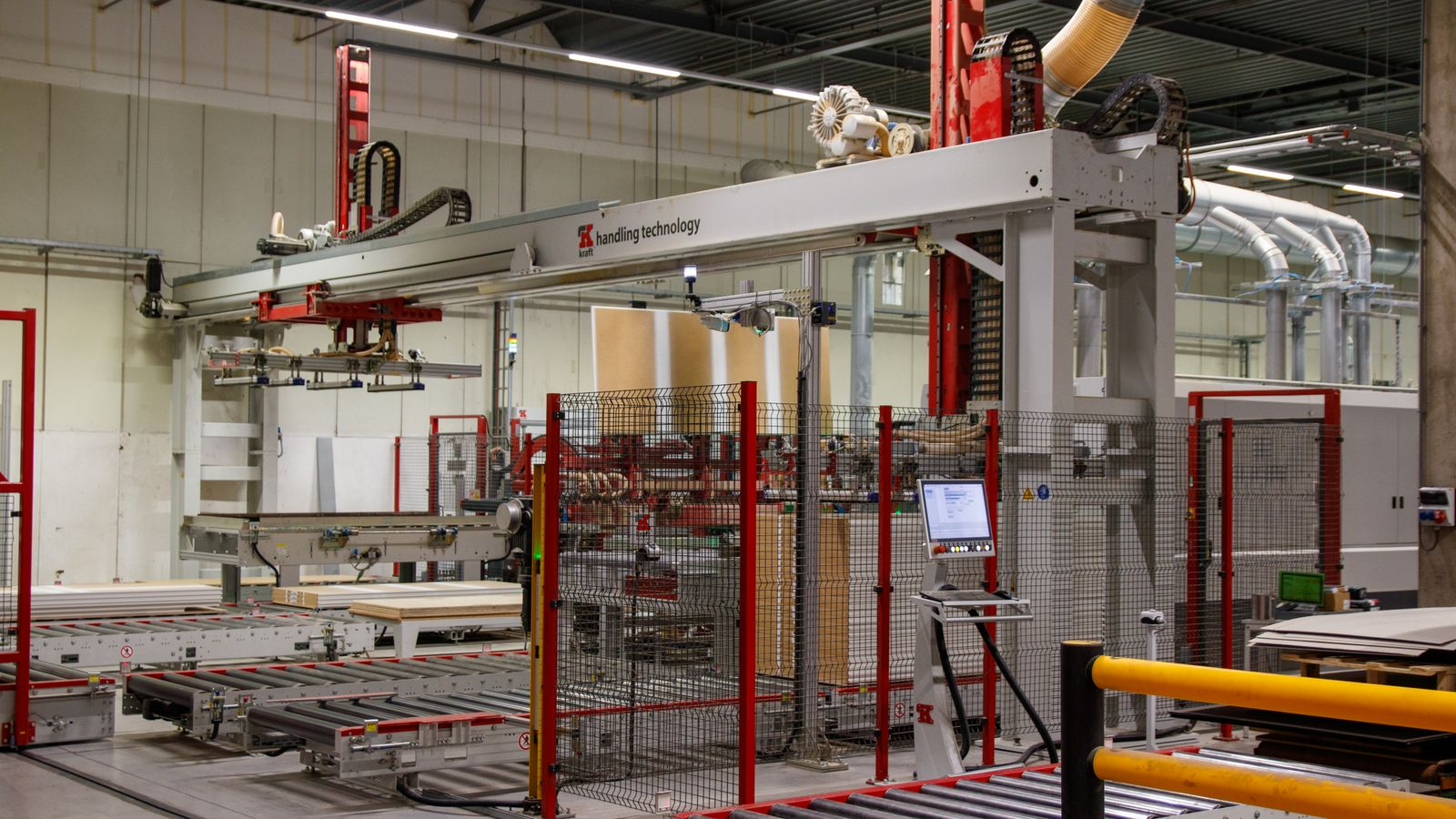
Packaging is likely to account for a significant part of the eventual equipment programme. Haldiram sells products across numerous formats and weights, and high-throughput snack production depends on close coordination between upstream processing and downstream weighing, bag forming, sealing, coding, inspection, case packing, and palletising.
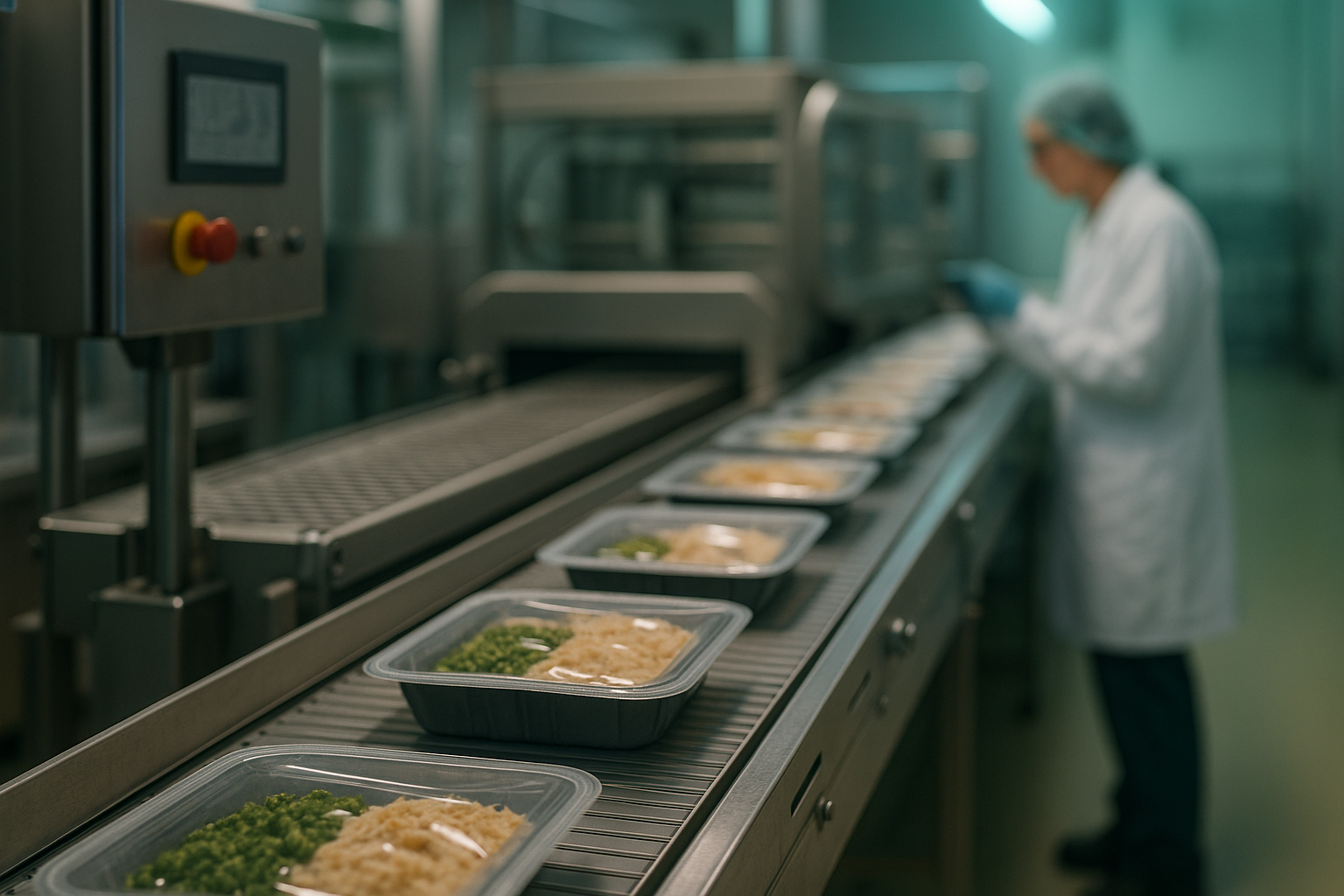
Bakery products introduce different constraints around fragility, moisture migration, oxygen exposure, seal integrity, and shelf life. Running both categories from a large manufacturing site therefore requires packaging capability matched to each product rather than a single end-of-line solution applied indiscriminately across the portfolio.
The projected 800 jobs indicate an operation extending well beyond the labour requirement of one automated production line. Modern snack plants can mechanise frying, conveying, seasoning, weighing, and packing, but they continue to depend on people across engineering, quality control, hygiene, raw-material preparation, maintenance, warehousing, utilities, production supervision, and logistics.
The size of the investment also places pressure on utilisation once the factory is commissioned. Expensive processing and packaging assets only improve manufacturing economics when they operate consistently enough to spread fixed costs across sufficient output, making product allocation, demand forecasting, preventive maintenance, changeover efficiency, and distribution planning as important as nominal line speed.
Haldiram has not yet disclosed how the ₹500 crore budget will be divided between buildings, process equipment, packaging, utilities, warehousing, or other infrastructure. Those details will become more significant as the project moves beyond the approval stage and suppliers begin to see identifiable equipment packages and construction milestones.
For now, Odisha has cleared a substantial food-manufacturing proposal rather than opened a factory. The industrial value will emerge when the project converts its ₹500 crore headline into installed lines, validated products, and sustained production — a considerably more demanding test than securing a place on an investment approval list.