IN Brief:
- Unilever has confirmed that the Colman's brand and associated assets are being marketed to potential buyers.
- The proposed disposal is intended to address possible competition concerns because McCormick already owns the French's mustard brand.
- The wider $44.8 billion Unilever Foods transaction remains subject to regulatory and shareholder approvals, with completion expected by mid-2027 at the latest.
Unilever is marketing the Colman’s mustard brand and associated assets to potential buyers as it seeks to address possible competition concerns surrounding the planned combination of its food business with McCormick. Advisers have begun approaching prospective purchasers, although no buyer, valuation, or detailed sale perimeter has been announced.
The potential overlap comes from McCormick’s ownership of French’s, giving the proposed combined company two established mustard brands alongside a substantially wider portfolio of seasonings, sauces, condiments, and foodservice products. Unilever has said the Colman’s process is intended to address potential competition concerns proactively while normal operations continue.
The proposed disposal forms a relatively small part of the transaction announced in March, when Unilever and McCormick agreed terms to combine Unilever’s Foods business with the US seasonings group. Unilever Foods was valued at approximately $44.8 billion, with the enlarged company expected to generate around $20 billion of annual revenue based on 2025 figures.
The ownership structure would leave existing McCormick shareholders with 35% of the combined business. Unilever shareholders are expected to own 55.1%, while Unilever would initially retain a 9.9% holding to be sold down over time. The transaction also includes approximately $15.7 billion of upfront cash consideration.
Completion is expected by mid-2027 at the latest, subject to McCormick shareholder approval, competition clearance, employee consultation, and other closing conditions. In the UK, the Competition and Markets Authority has been conducting pre-notification work following an invitation to comment on the proposed transaction.
The CMA has not found that the combination is anti-competitive, and the proposed Colman’s sale should not be presented as a regulator-ordered disposal. It is a measure being pursued by the companies while possible areas of competition concern are assessed ahead of formal clearance decisions.
Separating Colman’s is an industrial exercise
Although Colman’s is small in relation to a $44.8 billion transaction, selling a food brand involves more than transferring a name and recipe. Its products sit inside manufacturing, ingredient sourcing, packaging, distribution, and agricultural arrangements shared with other parts of Unilever’s UK food operation.
Liquid Colman’s products are manufactured at Unilever’s Burton upon Trent site alongside brands including Hellmann’s, Marmite, and Bovril. The plant is one of the company’s principal UK food-manufacturing operations and handles production infrastructure that would remain relevant to the wider Foods business being combined with McCormick.
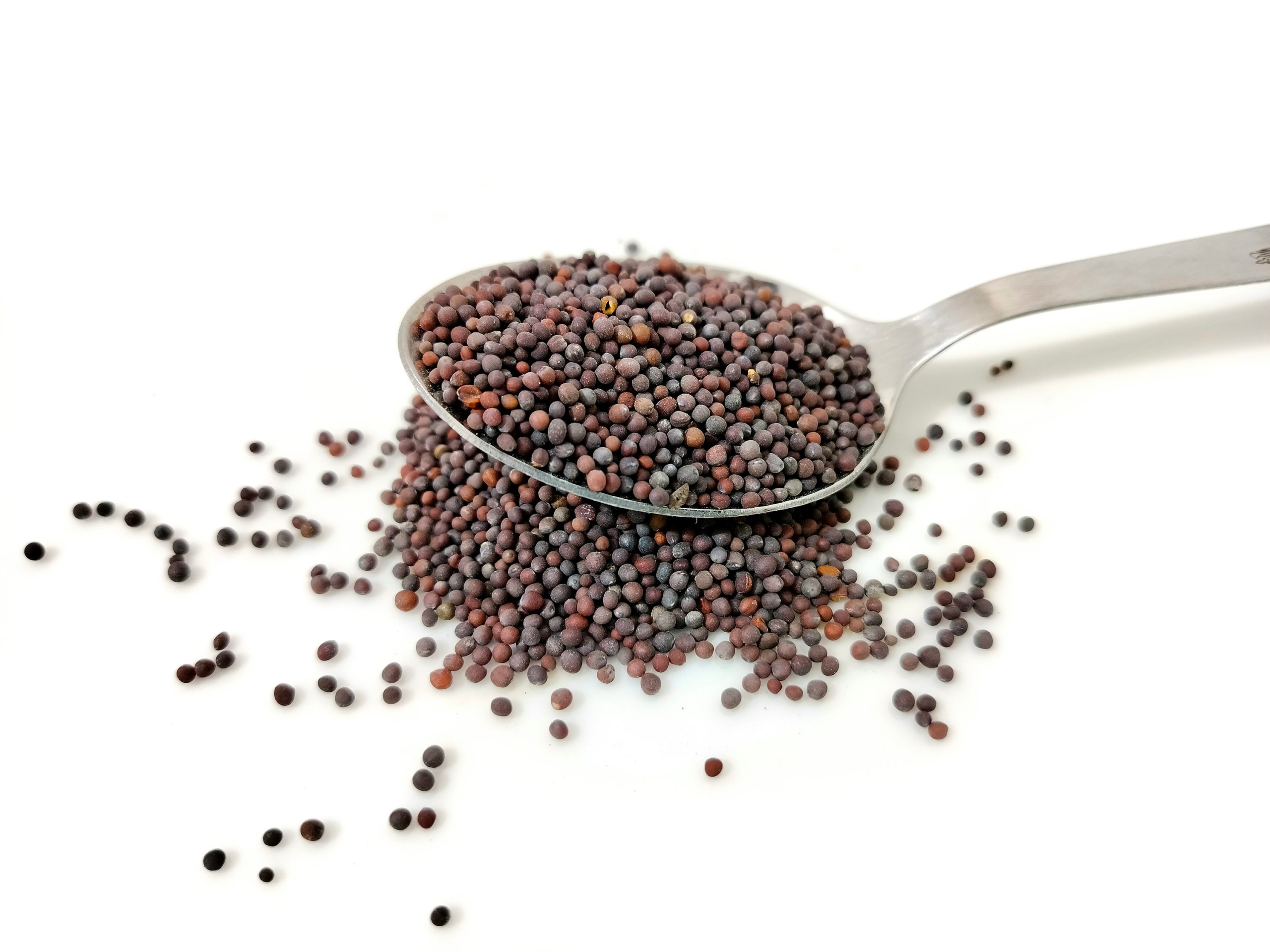
Mustard milling has a separate link to Norfolk. Condimentum operates a purpose-built facility connected with English mustard growers and processes locally produced mustard seed, maintaining part of the supply network that remained in East Anglia after Unilever ended production at the historic Carrow Works in Norwich.
A sale therefore does not necessarily imply that every physical asset currently involved in Colman’s manufacture will change ownership. Food groups frequently separate brands through combinations of asset transfers, supply agreements, contract manufacturing, ingredient contracts, intellectual-property licences, and transitional services before a new owner decides whether to retain or relocate production.
The exact structure matters for Burton because equipment, utilities, warehouses, quality systems, and labour can support several brands simultaneously. Removing one product family from a shared factory may have little short-term physical effect if the site continues to manufacture it under contract, whereas a later production transfer could alter line utilisation and sourcing volumes.
Norfolk mustard supply creates another dependency. Colman’s identity remains closely associated with English mustard, while processing arrangements link the brand to agricultural production and specialist milling capacity outside Unilever’s own factory network. A purchaser would need to establish how those relationships fit within the assets and agreements included in any transaction.
The broader McCormick combination will require much larger integration work. The companies are bringing together global portfolios that span retail seasonings, sauces, condiments, foodservice, and ingredients, with procurement, manufacturing, logistics, commercial systems, and product development all likely to form part of the post-completion programme.
McCormick has outlined an operating structure based on Americas Consumer, International Consumer, Global Food Service, and Global Flavor divisions. The group also intends to establish an international headquarters in the Netherlands and pursue a secondary London listing as part of the enlarged business.
Cost savings are another driver. McCormick has identified approximately $600 million of annual run-rate cost synergies, net of reinvestment, by the third year after completion, alongside a further $100 million of cost and revenue synergies intended for reinvestment in growth. Achieving those figures will depend partly on how manufacturing, procurement, and logistics networks are combined.
Removing a potential brand overlap before completion could simplify one element of that process, but the Colman’s separation creates its own implementation work. The production model, ingredient contracts, transitional arrangements, employees, inventories, packaging materials, customer agreements, and brand rights all have to be defined clearly enough for a buyer to operate the business after completion.
Colman’s has already undergone one major production restructuring in recent years. Mustard manufacturing left the old Norwich factory in 2019, with liquid-condiment production moving principally to Burton while specialist mustard milling and mint processing remained connected to Norfolk through new facilities and grower arrangements.
That history leaves the brand spread across a supply chain rather than contained within a single plant that can simply be sold. Until Unilever identifies a buyer and discloses the transaction perimeter, it remains unclear whether the eventual owner would inherit the current manufacturing model, rely on transitional supply from Unilever, or begin another production transfer.
The competition process will run alongside those commercial discussions. For now, the confirmed development is that Colman’s is being marketed while the larger McCormick transaction remains under regulatory review; the more consequential manufacturing decisions will follow once a buyer and the assets included in the sale are known.