IN Brief:
- Bakers Basco recovered 342 Omega baskets and dollies during investigations on the Isle of Man and Isle of Wight.
- The Isle of Man accounted for 253 baskets and seven dollies, while 81 baskets and one dolly were recovered on the Isle of Wight.
- More frequent Isle of Man visits are planned as the organisation strengthens control of reusable bakery equipment outside mainland distribution routes.
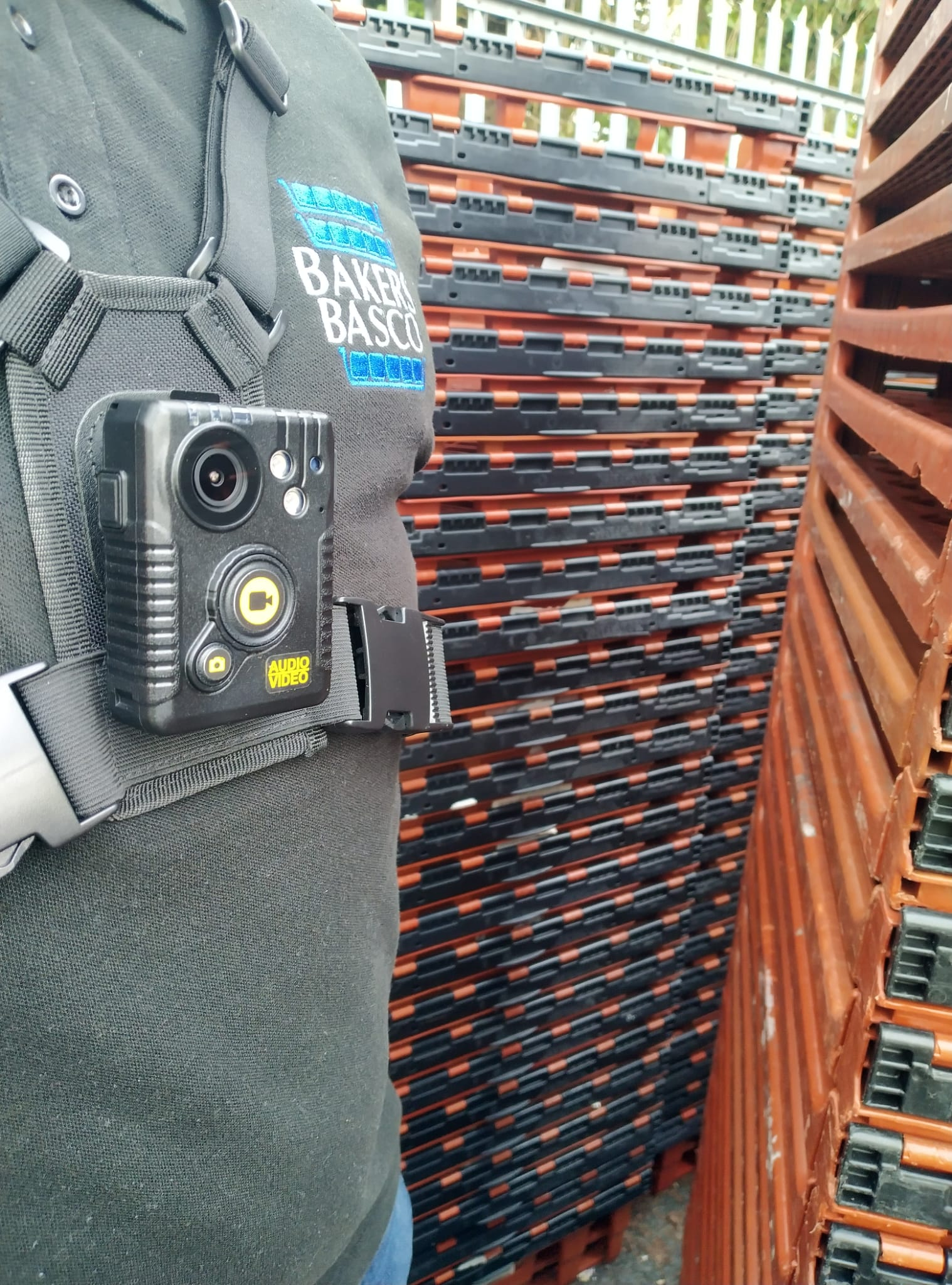
Bakers Basco has recovered 342 reusable bakery baskets and dollies during its first operational investigations on the Isle of Man and Isle of Wight in almost two decades. The visits returned equipment found outside authorised distribution channels while giving the organisation a clearer picture of how its assets move through two relatively isolated parts of the bakery supply chain.
The Isle of Man accounted for the larger recovery, with investigators locating 253 Omega baskets and seven Omega dollies in unsecured locations. On the Isle of Wight, 81 baskets and one dolly were recovered, although the team found that most bakery equipment supplied to retailers was being returned to the mainland through the correct channels.
Bakers Basco manages a pooled fleet of reusable transit equipment on behalf of major bakery businesses. Its Omega baskets are designed to move bread and other baked products through factories, distribution centres, wholesalers, retailers, and foodservice operations before returning for repeated use, while wheeled dollies allow stacked baskets to be handled more efficiently through depots and loading areas.
That model depends on the equipment continuing to circulate. Baskets retained at unauthorised premises, repurposed by other businesses, or left outside established collection routes reduce the number available to bakeries without reducing the volume of product that still has to be dispatched.
The problem becomes more pronounced on island routes because reusable assets have to complete an additional transport leg before they return to mainland bakery networks. Ferry movements, smaller retail drops, local wholesalers, and longer collection cycles can all create opportunities for baskets and dollies to become separated from normal backhaul arrangements.
Stacey Brown, Investigations Manager at Bakers Basco, said: “These visits were primarily about understanding how bakery equipment is moving around both islands and identifying where improvements can be made.” The investigations also found businesses that were unfamiliar with Bakers Basco’s role, particularly on the Isle of Man after an 18-year gap between operational visits.
Asset awareness is an important part of a pooled system because the equipment can look deceptively similar to ordinary transport packaging once it reaches the end of a delivery route. The basket may be empty and no longer appear operationally important to the retailer, yet it remains part of a controlled equipment pool needed for subsequent bakery production and distribution cycles.
At factory level, shortages of reusable equipment can become a dispatch constraint. Finished bread still has to leave production at the planned rate, and a bakery without enough serviceable baskets may need spare assets moved between depots, accelerated collections, or replacement equipment brought into the pool.
Dollies carry a similar operational value. They are designed to move multiple baskets together, reducing manual handling and supporting faster movement through production dispatch areas, vehicles, depots, and retail back rooms. Losing the wheeled base while retaining the baskets can therefore disrupt the handling system even when the product containers themselves remain available.
Bakers Basco’s current pool runs into millions of baskets and hundreds of thousands of dollies, so the 342 recovered items represent only a small fraction of the national fleet. The economics of reusable transit packaging, however, depend on repeated circulation across the entire asset base rather than the value of any single investigation.
Replacement also carries a material and environmental cost. A reusable basket is intended to complete many distribution cycles, spreading its manufacturing impact across repeated bakery deliveries. Equipment that disappears prematurely from circulation has to be replaced before the planned end of its useful life, weakening the resource-efficiency case for pooling.
Investigation teams consequently combine recovery with engagement. Businesses holding equipment may not always understand where it came from or how it should be returned, while deliberate misuse and retention require a different response. Distinguishing between the two helps keep recoverable assets moving without treating every misplaced basket as an identical problem.
The Isle of Wight findings suggest that established return routes are functioning across much of the island, with the recovered equipment concentrated outside the main flow. The Isle of Man produced a larger volume and a more obvious awareness gap, leading Bakers Basco to plan more regular visits there.
That approach follows increased operational activity in Northern Ireland, where the organisation says more frequent investigation and engagement have improved recovery rates. Regular presence gives businesses less opportunity to accumulate equipment unnoticed and makes the ownership and return arrangements more familiar to companies handling bakery deliveries.
The practical measure will be what investigators find on subsequent visits. A second large recovery would show that equipment is continuing to leak from the authorised network, while declining numbers would suggest that greater awareness and more frequent collection are restoring the return loop.
For bakery manufacturers, that loop is part of everyday production infrastructure even though it operates mostly beyond the factory gate. Bread cannot remain on a line because the reusable equipment intended to carry it has failed to return. Recovering 342 assets solves one small part of that capacity equation; preventing them from disappearing again is the more useful test.