IN Brief:
- President John Mahama commissioned the upgraded evaporated milk line on 8 October.
- Annual rated capacity rises from approximately 12,960 tonnes to nearly 30,000 tonnes.
- The new equipment replaces a line that had operated for more than 30 years.
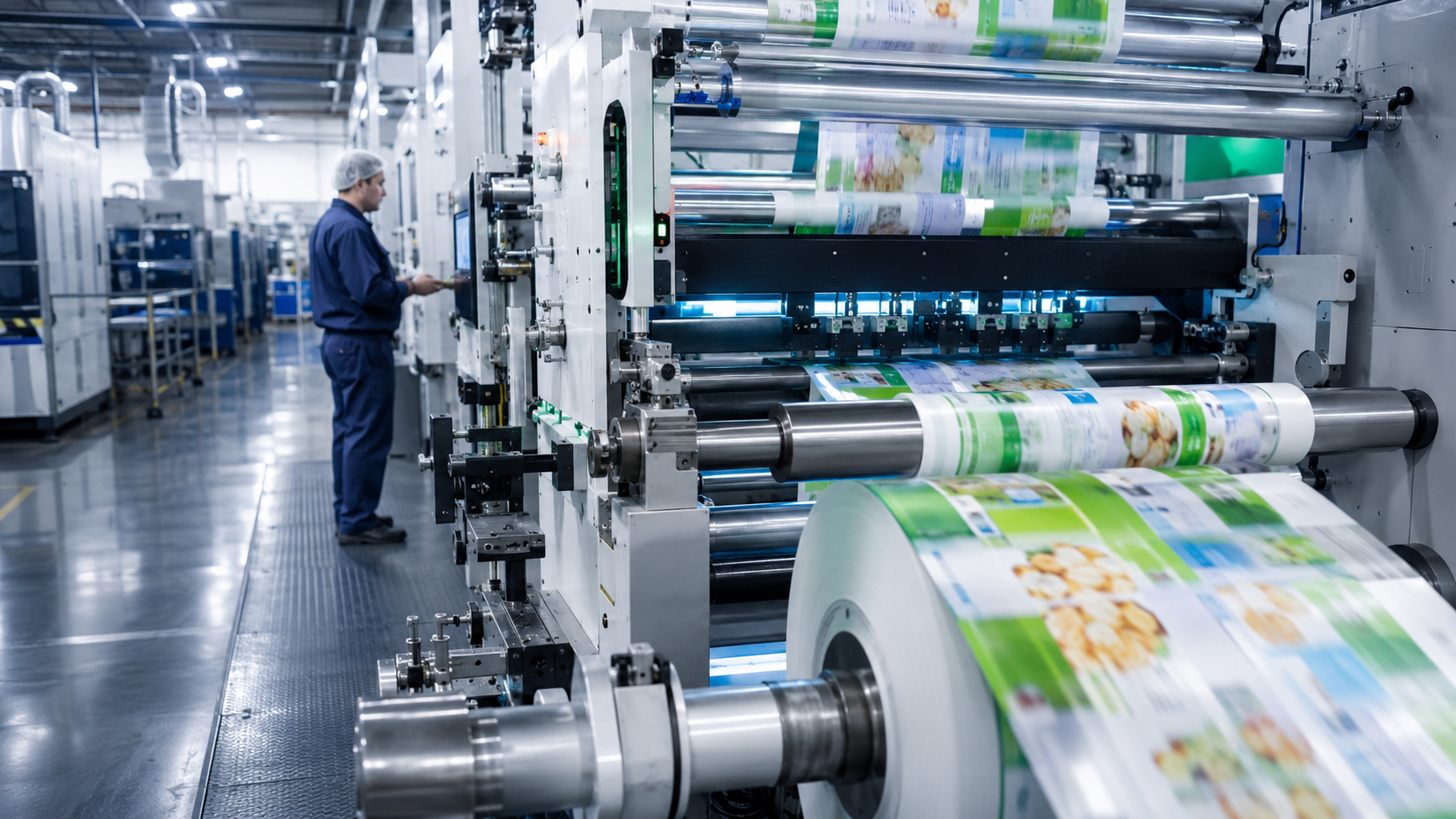
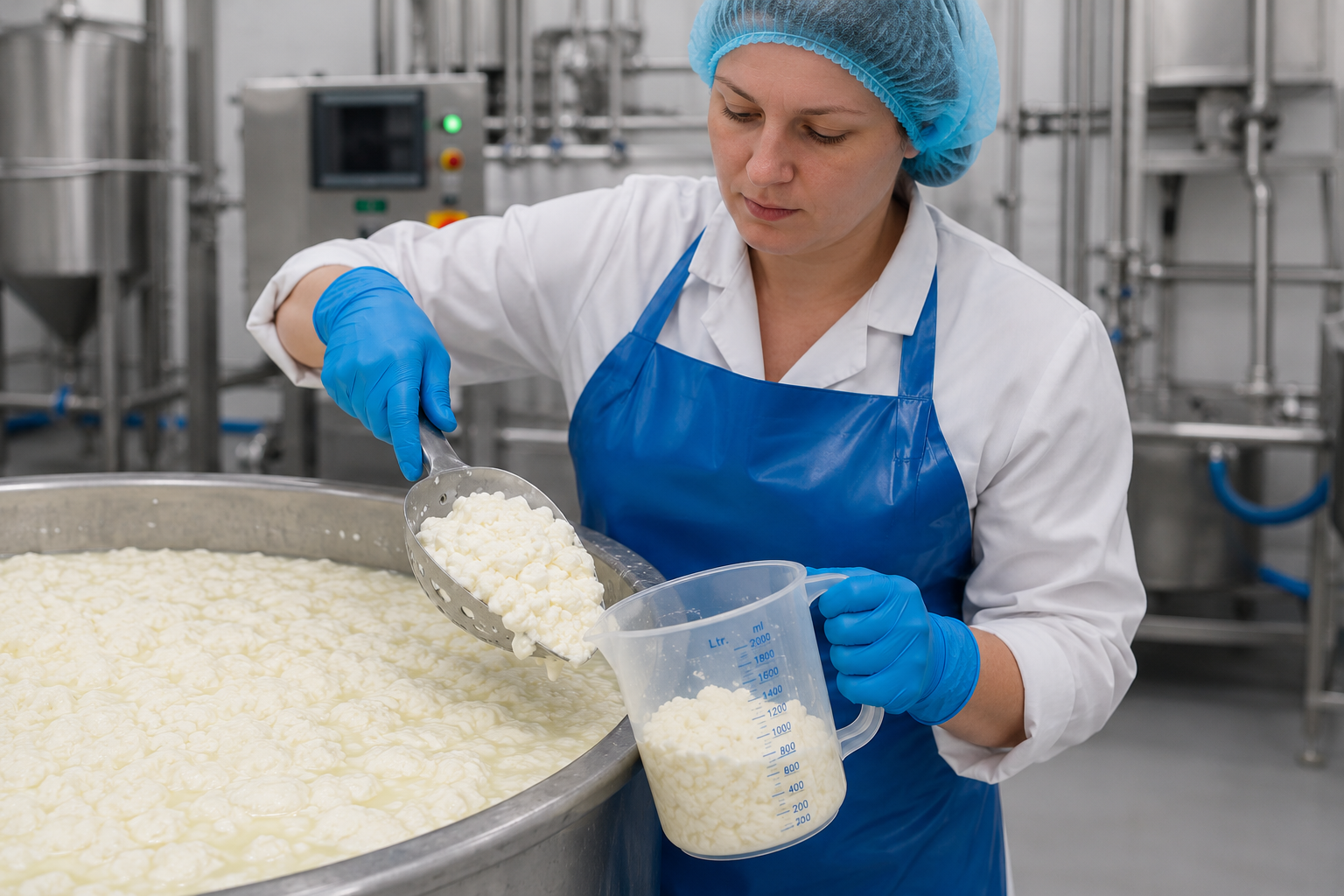
Nestlé Ghana has commissioned an expanded evaporated milk production line at its Tema factory, raising the site’s annual rated capacity for the product from approximately 12,960 tonnes to nearly 30,000 tonnes.
President John Dramani Mahama inaugurated the equipment on 8 October 2026. The installation replaces a production line that had served the factory for more than 30 years, according to the Ghanaian government’s account of the ceremony.
The confirmed change is an increase in installed manufacturing capacity, not evidence that the plant is already producing nearly 30,000 tonnes annually. Actual output will depend on operating schedules, demand, maintenance and material availability.
The commissioning confirms continued local production of evaporated milk, including the treatment and packaging stages associated with products such as Ideal Milk. It is a tangible investment in the factory’s manufacturing equipment rather than an announcement of a future feasibility study.
Ghana’s Information Services Department reports that the new capacity is close to 30,000 tonnes a year. That figure should not be rounded upwards into a verified annual output figure or confused with sales forecasts.
Nestlé Ghana managing director Salomé Azevedo also described a capacity of up to 500,000 cans per day during the inauguration. That statement is a daily packaging capability and cannot be converted into annual tonnes without knowing the relevant pack sizes and operating calendar.
The daily and annual figures are therefore best presented separately. Neither implies that the factory operates continuously at its maximum rated throughput on every production day.
Evaporated milk is manufactured through a sequence of dairy processing stages that must be coordinated with filling and packaging. Increasing the capacity of one stage does not automatically eliminate all constraints elsewhere in the line.
Raw materials must be received and checked against the required specifications before production. The finished product’s composition and physical stability depend on controlled processing conditions throughout its manufacture.
Concentration changes the balance of water and milk solids, while homogenisation affects the distribution of fat within the product. These operations have implications for texture, stability and subsequent processing.
Thermal treatment is another critical stage. The specific sterilisation process must achieve the required microbiological outcome while maintaining acceptable product quality during storage.
The government’s account refers to local homogenisation, sterilisation, filling and packaging. It does not identify every machine model, operating temperature, control-system change or sanitation method installed as part of the project.
Consequently, the investment cannot be credited with an independently quantified energy saving, reject-rate improvement or reduction in cleaning time on the information released so far.
Replacing equipment used for more than three decades may change maintenance planning and spare-part requirements. However, the age of the previous line alone does not establish its reliability or operating costs immediately before replacement.
A higher-capacity line places demands on the equipment around it. Product preparation, containers, closures, coding, inspection and dispatch must all accommodate the intended production pattern.
Packaging supply is especially important when an operation runs at high speed. Even if a filler has available capacity, interruptions in the delivery of cans or other components can reduce the number of finished units leaving the factory.
Likewise, finished goods must be transferred into storage and distribution without creating congestion. The publicly available commissioning reports do not describe a separate expansion of every surrounding logistics function.
Food manufacturers also need to plan hygiene and preventive maintenance around production. The annual rated capacity does not account for all the time that may be needed for these activities.
The factory’s longstanding position in Tema gives the investment a wider industrial context. Nestlé began operating in Ghana in 1957, and the Tema factory was commissioned in 1971.
The site has manufactured established Nestlé products for domestic and regional markets. The new line strengthens one part of that operating base, but the company has not published a new market-by-market distribution allocation tied to this commissioning.
At the inauguration, President Mahama connected the factory’s operating model with Ghana’s 24-hour economy programme. He referred to a business that operates through nights, weekends and public holidays.
The President also cited approximately 1,200 full-time workers and 1,300 third-party workers. Those figures describe the wider operation discussed at the ceremony and must not be presented as jobs newly created by the evaporated milk investment.
Round-the-clock working can increase equipment utilisation where maintenance arrangements, workforce organisation and demand support it. The policy context does not itself demonstrate the realised utilisation of this individual line.
The factory will still need reliable inputs, utilities and engineering support to maintain consistent production across extended schedules. Those practical requirements matter as much as the rated speed of the processing equipment.
For dairy processors, additional capacity can also change inventory management. Product storage, packaging availability and forecasts must remain aligned if a line is to achieve a stable operating rhythm.
The announcement gives no complete project-cost figure and does not attribute a specific number of new hires to the replacement machinery. Financial and employment claims should therefore remain limited to the facts reported at the opening.
The project’s industrial significance lies in the confirmed commissioning of a replacement production line with a markedly higher annual rating, supporting continued processing and packaging in Ghana.
Its effect on actual production volumes will become apparent through sustained operation rather than the commissioning ceremony alone. Future claims about output, efficiency or expansion should be supported by subsequent company operating data.