IN Brief:
- Mondelēz has installed two Ishida CCW-RVE multihead weighers at its Capriata d’Orba cracker plant.
- Weight deviation has fallen from approximately 2g to between 0.6g and 0.8g, reducing product giveaway.
- The systems operate at around 65 packs per minute, while product damage has fallen by approximately 3%.
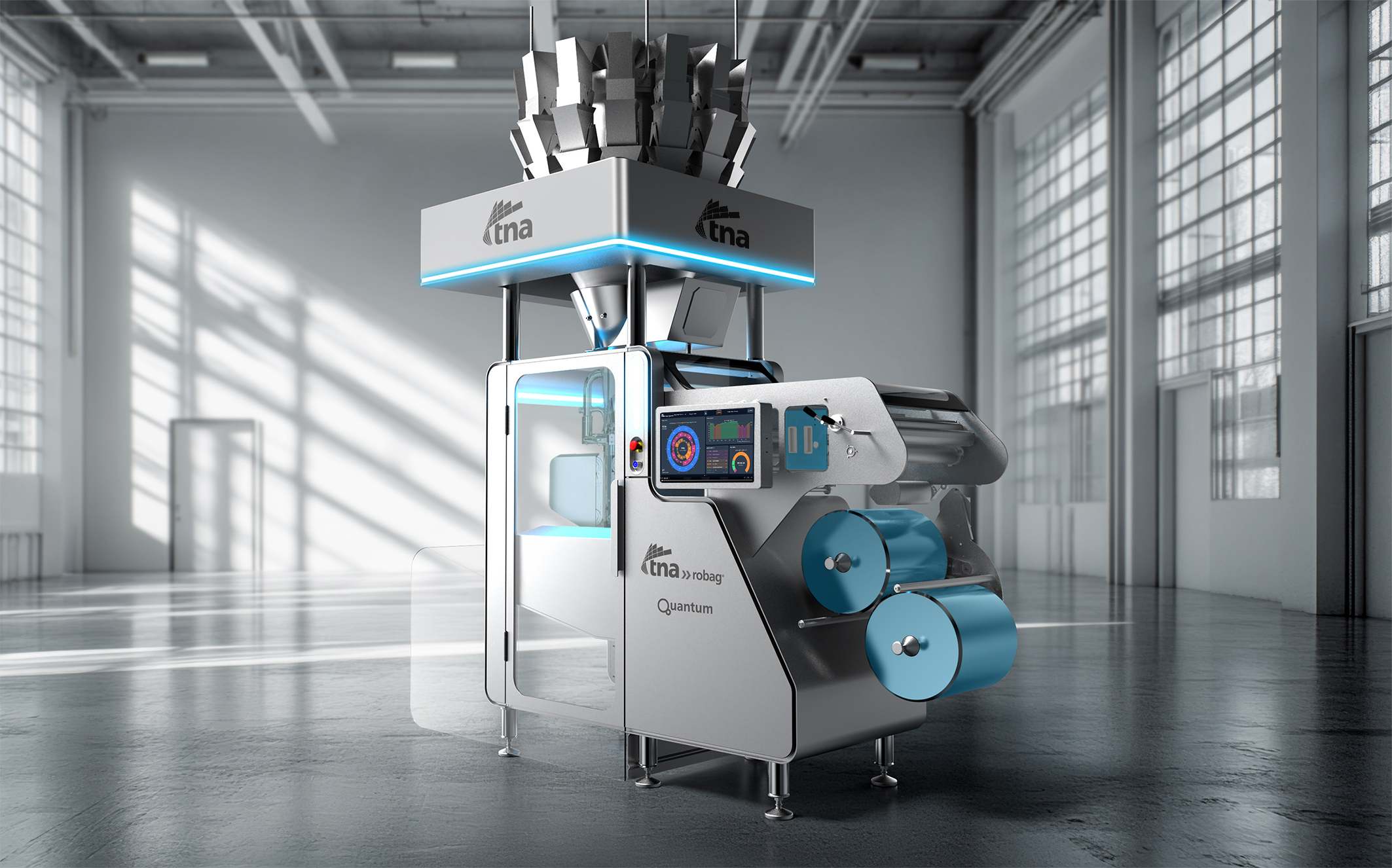
Ishida Europe has supplied two 14-head multihead weighers to Mondelēz International’s Capriata d’Orba factory in Italy, improving weight accuracy, reducing cracker damage, and cutting product giveaway.
The Piedmont site manufactures Ritz crackers and Cipster snacks for several international markets. Ritz represents approximately one-fifth of total plant output, making the performance of its weighing and packing equipment significant to the efficiency of the wider operation.
Each CCW-RVE machine uses 14 weighing heads fitted with 1.5-litre hoppers and operates with a vertical bagmaker. The installation was completed with Italian equipment specialist Itech, with the systems configured around the flow and fragility of the products handled.
Production normally runs at around 65 packs per minute, although higher speeds can be achieved where the chosen format and line conditions permit. Direct operator intervention is limited during stable production, while employees undertake scheduled checks, metal-detector tests, cleaning, replenishment, and changeover work.
The previous weighing equipment had been operating for many years and was experiencing declining precision and reliability. Pack-weight standard deviation had increased towards 2g, forcing the factory to carry a larger margin above the declared weight to protect compliance.
Following installation, deviation has fallen to approximately 0.6g to 0.8g. Equipment efficiency can reach 98%, while cracker damage during weighing has been reduced by around 3%.
Although an individual gram appears commercially small, giveaway accumulates rapidly across high-volume production. Product placed into a pack above the saleable target includes ingredients, processing energy, labour, seasoning, and handling for which the manufacturer receives no additional revenue.
At millions of packs per year, a reduction measured in fractions of a gram can recover a substantial quantity of finished product. The financial gain grows further when expensive oils, wheat, flavour systems, packaging, and factory conversion costs are included.
Accuracy depends on controlled product flow
Multihead weighing works by distributing product across several hoppers and selecting the combination that most closely matches the target weight. Stable feeding into those hoppers is essential because the algorithm can only choose among the portions available at each cycle.
Crackers introduce mechanical difficulties that powders, sweets, or dense snacks do not share. Individual pieces are light and fragile, can overlap or bridge, and may generate fragments as they move through feeders, hoppers, and discharge chutes.
Smaller 1.5-litre hoppers allow tighter control over portion size, while feeder settings influence how evenly crackers reach the weighing heads. Excessive vibration or drop height can improve flow at the expense of breakage, whereas gentler handling can reduce damage but restrict speed if product does not separate consistently.
Fragments alter bulk density and can affect subsequent weigh combinations. They also migrate seasoning, create fines around seals, and leave packs looking less generous even when the declared weight is correct.
Reducing damage by 3% therefore protects both yield and presentation. More intact crackers also flow more predictably through the bagmaker, lowering the chance that fragments contaminate the sealing area or interfere with the formation of a consistent pack.
The previous equipment had also experienced heat-related electronic issues. Oven discharge, warm product, enclosed machinery, and summer ambient conditions can raise temperatures around sensitive controls, while repeated stoppages at a weigher can restrict the complete bagging line.
Reliability improvements have greater value when production is balanced around a single critical machine. A weigher operating below its expected rate causes upstream accumulation or forces the line to slow, while an unexpected stop can leave product cooling, seasoning, or waiting in conditions for which the process was not designed.
Achieving the initial improvement does not guarantee that it will persist. Product build-up, worn feeder components, incorrect settings, loose fixings, damaged hopper surfaces, and changing upstream flow can gradually increase deviation unless performance is monitored.
Checkweigher data provides an important second view of the process because it measures the completed pack rather than the combination calculated by the weigher. Trends in average weight, standard deviation, rejects, and adjustment frequency can identify drift before it becomes a sustained source of giveaway.
Recipe control also allows settings to be retained for different products and pack sizes. When a line changes from one cracker format to another, the correct vibration, timing, target weight, and discharge parameters can be restored without relying entirely on manual adjustment.
The same balance between accuracy and gentle handling has been evident in premium chocolate weighing applications, where irregular shapes, short runs, and relatively high product value make uncontrolled giveaway particularly expensive.
Across snacks and baked goods, ingredient inflation has made process variation harder to absorb. Manufacturers cannot always recover higher costs through retail pricing, while pack-size reductions or recipe changes can weaken the product proposition.
Yield improvement offers another route because it extracts more saleable packs from material already purchased and processed. Unlike a formulation change, tighter weighing preserves the product, declared weight, and customer experience.
Mondelēz’s installation combines several modest gains rather than relying on headline speed alone. Lower deviation, reduced breakage, stronger uptime, and more stable operation collectively improve the economics of a mature production line.
At 65 packs per minute, every cycle depends on automatic decisions that cannot be corrected manually in real time. Precision has to be designed into the feeding and weighing process, verified through downstream data, and protected through maintenance as production conditions change.