IN Brief:
- NORD DRIVESYSTEMS is positioning NXD tupH surface treatment for aluminium drive systems in primary packaging spray zones.
- The system combines surface treatment and a high-performance sealer to support hygienic cleaning, corrosion resistance, and resistance to aggressive cleaning chemicals.
- The technology reflects wider demand for compact, decentralised, wash-down drive systems in food and beverage packaging machinery.
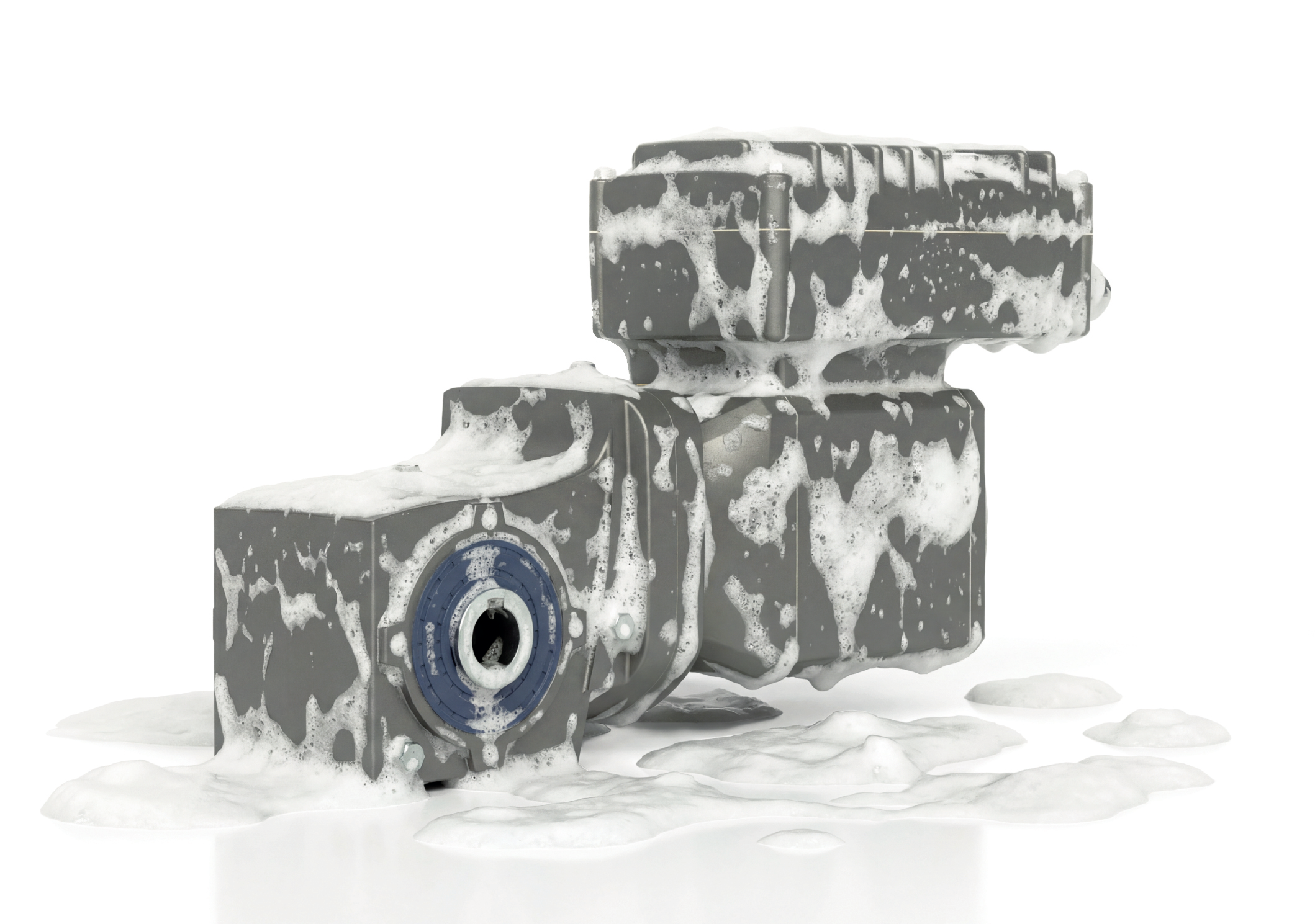
NORD DRIVESYSTEMS is positioning its NXD tupH surface treatment as a way to bring aluminium drive technology into wet and hygiene-sensitive primary packaging areas where stainless steel has traditionally dominated.
The company is targeting spray zones and wet product-contact environments in primary packaging, where drive systems are exposed to moisture, cleaning chemicals, and intensive wash-down regimes. NXD tupH combines a surface treatment with a high-performance sealer, creating a hard, non-porous surface designed to be cleaned quickly and hygienically without flaking during repeated cleaning cycles.
NORD is presenting the technology as a food-safe alternative for drive components with aluminium housings. The company has highlighted resistance to Ecolab cleaning agents in long-term testing and says the treated surfaces meet requirements in the FDA, EU, Switzerland, and MERCOSUR states. The protective effect is also intended to remain in place after minor surface damage, reducing the risk that corrosion or coating failure compromises the drive system.
The engineering case begins with machine design. Stainless steel is widely used in wash-down areas because of its hygiene and corrosion resistance, but it is heavier and can restrict design flexibility. Aluminium is lighter and has higher thermal conductivity, allowing more compact housings and potentially improved heat dissipation. Where hygienic surface performance can be maintained, aluminium gives packaging machinery builders more options around space, power density, and modularity.
NORD’s wash-down modular system includes hygienically designed drive components that can be adapted across packaging applications. The company is also linking the NXD tupH approach to decentralised drive electronics, including the NORDAC ON PURE platform. Ethernet on board, hybrid cables, and daisy chain technology are designed to reduce wiring complexity and create cleaner machine layouts in areas where cable runs, junction boxes, and hard-to-clean surfaces can become hygiene concerns.
The technology is particularly relevant to flow wrapping, sealing, and product handling applications where drives may need to operate near exposed food or packaging material. NORD’s POSICON software supports travel profiles for non-complex servo applications, including synchronism and flying-saw functions used in separating and sealing processes. That places the system between conventional geared motor assemblies and higher-cost servo arrangements where full servo capability may be unnecessary.
Hygienic drive systems have already become a growing focus in wash-down environments, including NORD’s surface-treatment work for food and beverage machinery. The latest primary packaging focus narrows the application area to spray zones, decentralised electronics, and the operating trade-off between stainless steel and treated aluminium.
Food packaging lines are being designed around cleaning time, access, changeover speed, line compactness, and integrated controls. Hygienic design is no longer confined to visible product-contact surfaces. Motors, gear units, inverters, cables, connectors, and mounting arrangements all influence how quickly a line can be cleaned and returned to service.
Drive suppliers are also competing around ingress protection, corrosion resistance, cleaning compatibility, and installation simplicity. ABB’s expanded wash-down drive range for food processing environments reflects the same pressure across processing and packaging, where equipment must tolerate aggressive cleaning without adding unnecessary complexity.
Packaging machine builders will weigh stainless steel against treated aluminium by application risk, cost, weight, thermal load, cleaning chemistry, and validation requirements. A compact aluminium drive may reduce machine footprint and simplify scaling, but food manufacturers will still expect clear documentation around food safety, chemical resistance, cleanability, and service life.
The economic comparison is also important. NORD is positioning helical, helical bevel, and worm gear units as alternatives where servo gear units are oversized for the task. With IEC, NEMA, and servo adapters, the company can combine gear units with motors from different manufacturers, giving machine builders flexibility in less complex positioning duties.
Primary packaging is becoming more technically demanding as manufacturers handle shorter runs, more pack formats, and tighter hygiene requirements. Drive systems that reduce wiring, clean more easily, and fit into compact machine layouts can influence both machinery design and total cost of ownership. NORD’s NXD tupH approach treats hygiene as a system-level engineering problem rather than a material choice alone.