IN Brief:
- Power Sustainable Lios has acquired Fine Choice Foods alongside Farm Credit Canada, Bonnefield and management investors.
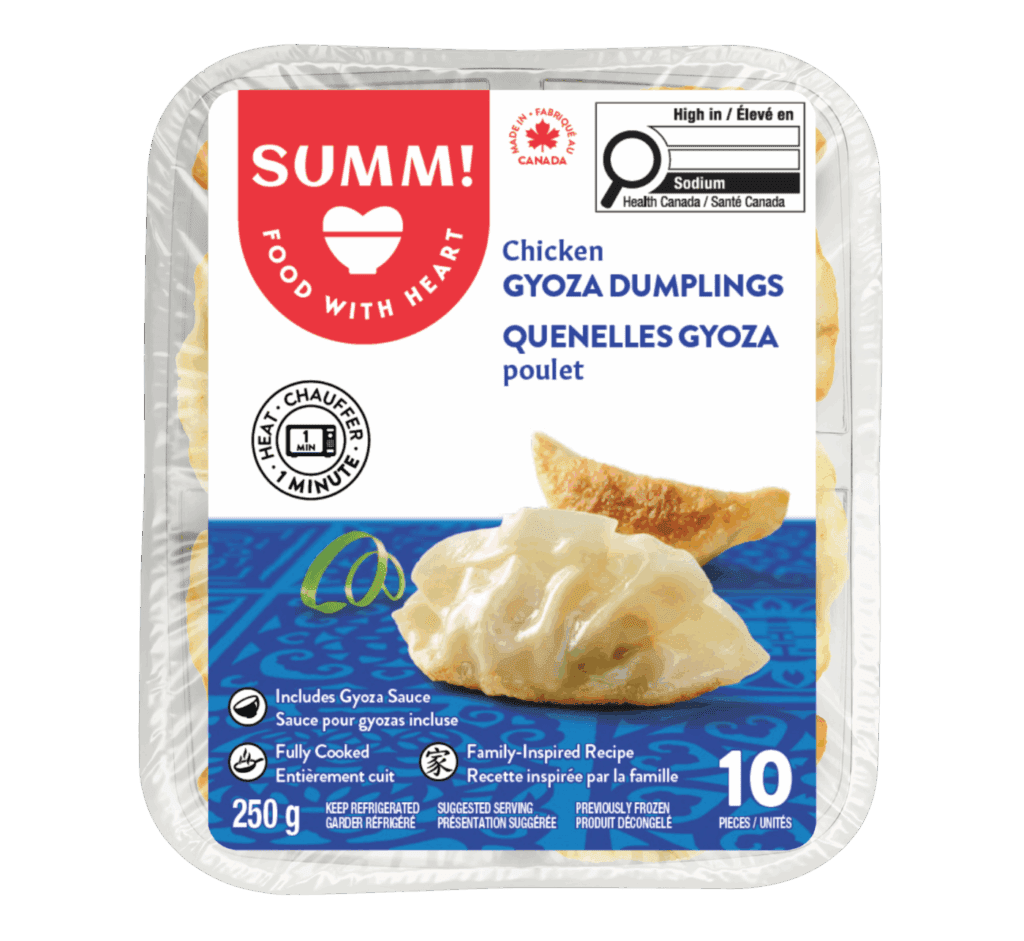
- Fine Choice operates two manufacturing facilities in British Columbia and owns the SUMM! brand.
- The partners plan investment in products, operations and market growth, but disclosed no price or project budget.
Power Sustainable Lios has acquired Canadian food manufacturer Fine Choice Foods in a transaction backed by Farm Credit Canada, Bonnefield Financial and members of the manufacturer’s management team. The new owners intend to support growth in a business operating two factories in British Columbia and supplying Asian-inspired appetizers and side dishes under the SUMM! brand.
The acquisition was announced on 22 October. Fine Choice was founded in 1986 and is headquartered in Richmond, British Columbia. Its products are distributed in North America through grocery, club retail and e-commerce channels, reflecting demand from customers with differing pack, portion and distribution requirements. The transaction price was not disclosed, and no binding new factory construction programme was identified.
Fine Choice manufactures items including spring rolls and other prepared Asian-inspired products. A ready-to-eat or ready-to-prepare food manufacturer serving multiple retailers must coordinate recipe consistency, production scheduling, packaging formats and chilled or frozen distribution requirements. The acquiring investors identify manufacturing capability as a central asset of the business, although it does not publish line speeds, site capacities or utilisation rates for the existing plants.
Power Sustainable Lios is a food-focused investment platform within Power Sustainable. Fine Choice becomes the fifth investment in its first fund, following its acquisition of organic fruit spread producer Crofter’s Organic. The investors said they would work with the established management team to strengthen product development, manufacturing operations, efficiency and commercial reach.
Farm Credit Canada and Bonnefield Financial are participating alongside Lios and members of Fine Choice’s senior management. The company said the leadership team would continue to run the business, led by chief executive Jason Longden. The continuation is relevant to a manufacturer whose operations depend on established production knowledge and relationships with food retail customers, but the company does not establish that its entire workforce and existing factory organisation will remain unchanged indefinitely.
Previous owner Swander Pace Capital had acquired the business in 2018. Trade reporting on the sale said Fine Choice expanded its distribution and manufacturing capability during that period. The new transaction changes the ownership and investment structure, not the physical location of the plants. Any claim that additional factory capacity has already been installed as a result of the acquisition would therefore be premature.
Lios managing partner Jonathan Belair described Fine Choice as an established producer with customer relationships and opportunities to expand. The new owners see potential to broaden the product portfolio, strengthen retail distribution and reach new markets. Such ambitions carry operational implications: increased orders can require investment in production scheduling, technical expertise, equipment and logistics, but the partners have yet to identify which facilities or processes will receive capital first.
Prepared food manufacturing is also sensitive to the interaction between product variety and line changeovers. Adding products may offer commercial reach, while also increasing the number of specifications a factory must manage for ingredients, packaging and quality control. The acquired company’s two-site platform provides an existing industrial foundation for expansion, although the release contains no independently measured benchmark for line productivity or planned savings.
The wider Power Sustainable group has announced plans to invest and mobilise more than $10 billion in Canadian projects and companies over five years. That figure concerns a broader investment programme, rather than an earmarked commitment to Fine Choice. The new owners have outlined manufacturing and product development ambitions for Fine Choice but have not put a value on the intended factory spending.
For customers and suppliers, the immediate confirmed change is the ownership of Fine Choice, with management continuity and a stated intention to invest. The manufacturing consequences will depend on subsequent decisions about equipment, process capability, output and distribution. No new site opening, plant closure or production contract was disclosed as part of this transaction.
The presence of investors specialising in agriculture and food businesses may influence Fine Choice’s access to commercial and manufacturing expertise, but the ownership structure does not guarantee particular operating improvements. Integrating investment plans with existing factory capabilities will require the business to prioritise specific projects and understand which stages of processing constrain its planned product and customer growth.
Fine Choice is also operating across chilled and frozen food categories, which can involve different requirements for storage, handling and distribution. The company’s public description does not specify which of its factories produces each product range or which refrigeration and packing systems are installed. Those details are necessary before attributing any proposed manufacturing upgrade to a named location or predicting a change in capacity.