IN Brief:
- RIICO has added food processing, agriculture, and milk processing to its flexible land-payment model.
- Eligible businesses pay 10% of the land premium initially and can defer the remaining 90% over ten years.
- The arrangement carries 8.5% annual interest, preserving more upfront capital for factory development.
Rajasthan State Industrial Development and Investment Corporation has extended its flexible land-payment model to food processing, agriculture, and milk processing, allowing eligible investors to defer most of the land premium over ten years rather than committing the full amount during the early stages of a factory project.
The expansion also covers sectors including textiles and apparel, handicrafts, wool processing, ceramics and glass, electronic-component manufacturing, petrochemical products, and data centres. Food production therefore joins a wider group of industries being offered extended payment terms as Rajasthan attempts to encourage additional manufacturing investment.
The financing mechanism itself predates the 24 August expansion. RIICO approved the ten-year model in May for selected sectors including global capability centres, vehicle-scrapping facilities, semiconductors, aerospace and defence, and waste processing and recycling. The latest development widens the list of eligible industries rather than creating a wholly new scheme.
Under the RIICO order, 10% of the land premium is payable upfront within 30 days of the Letter of Offer, with the 5% earnest money deposit submitted with the application included in that amount. The remaining 90% can be paid in annual instalments over ten years at interest of 8.5% per annum.
The original terms also provide for an additional 2% interest charge during a period of default. Investors therefore gain a longer payment schedule rather than a reduction in the underlying land liability, and the financing cost has to be considered alongside conventional borrowing or outright payment.
The structure can materially alter cash requirements during factory development. Industrial land is acquired before processing equipment begins generating revenue, so a large upfront premium competes directly with capital required for construction, utilities, refrigeration, boilers, treatment systems, processing machinery, packaging equipment, laboratories, warehouses, and working capital.
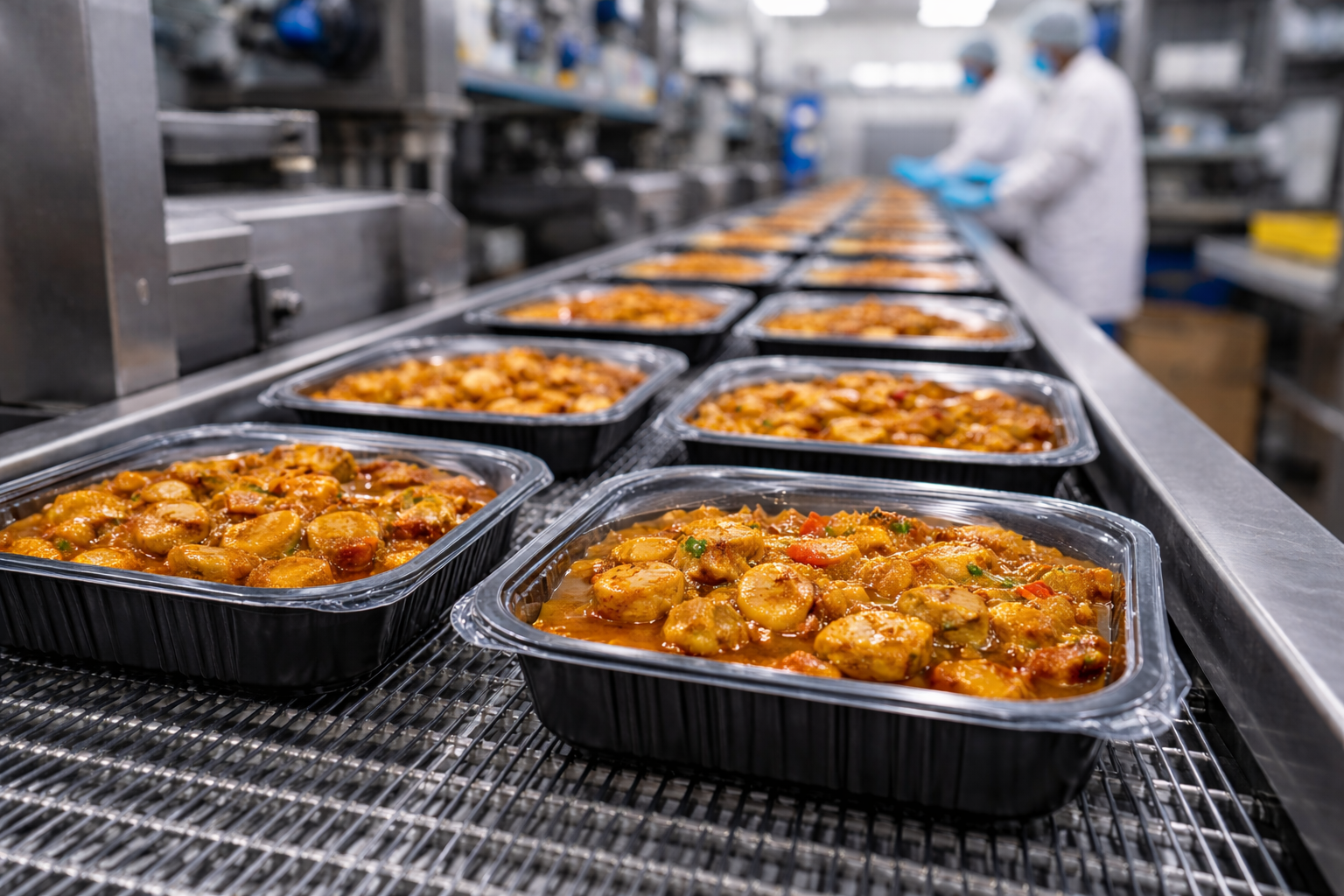
Food and beverage factories can be particularly demanding because the building itself forms part of the hygiene system. Floors, drainage, wall finishes, zoning, temperature control, washdown capability, pest exclusion, personnel flows, raw-material segregation, and waste routes all have to be designed around the product and process.
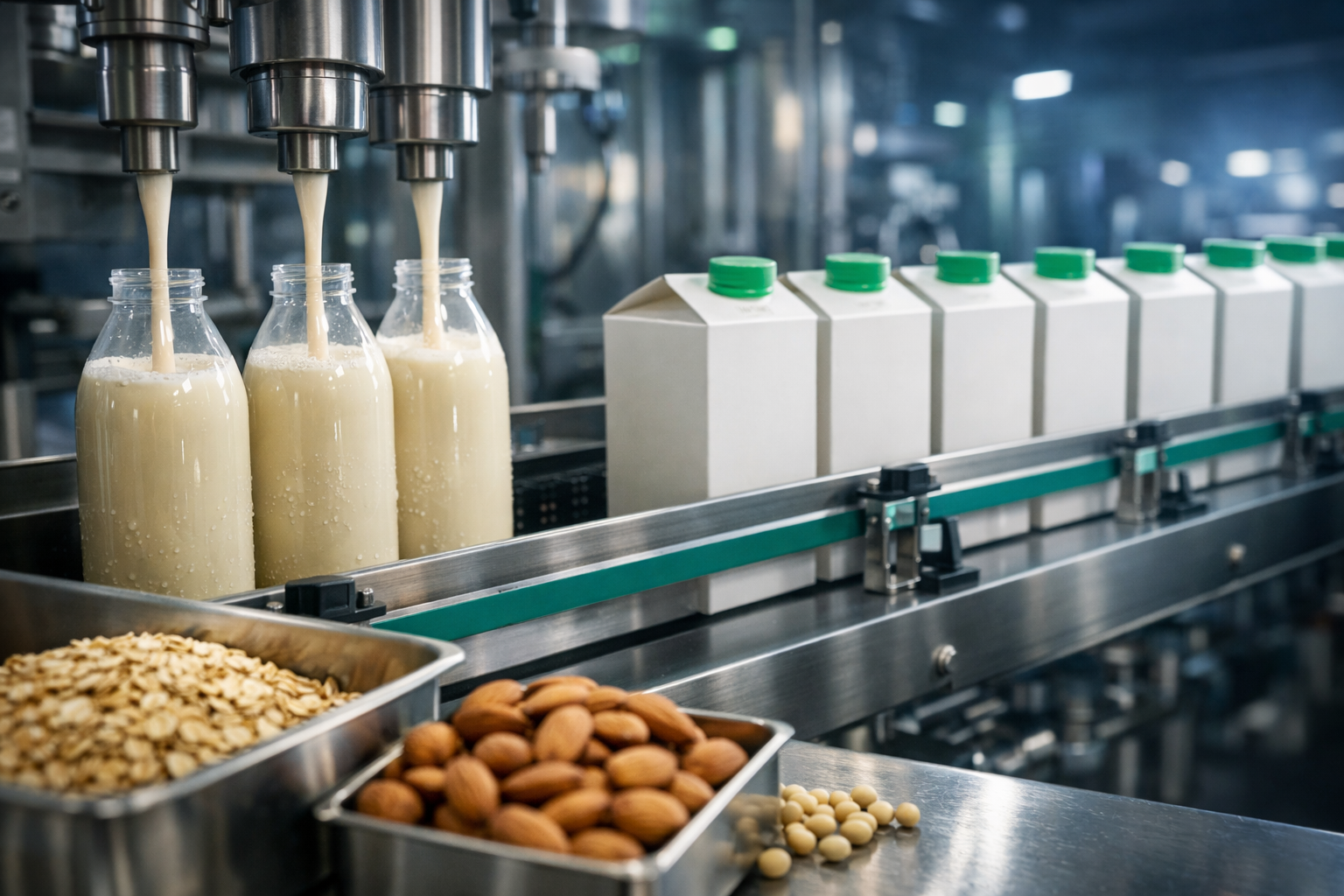
Milk processing adds another layer of capital intensity. Chilling, pasteurisation or other thermal treatment, hygienic tanks, clean-in-place systems, refrigeration, filling equipment, wastewater treatment, and cold storage can consume substantial investment before the first litre reaches a customer.
Retaining more cash during the land-acquisition phase could therefore allow some projects to allocate a greater share of initial capital towards productive assets. The benefit depends on whether the cost of the deferred land premium is lower than alternative finance and whether the business generates sufficient cash to service the annual instalments once production begins.
The same calculation applies differently across product categories. Dry ingredients, milling, spice processing, and some bakery operations may require a less capital-intensive utility base than dairy, beverages, frozen foods, or meat processing, while high-throughput automated plants can spend heavily on packaging and end-of-line equipment even where the core process is relatively simple.
Location remains just as important as financing. Agricultural and dairy processors often need to sit close enough to raw-material production to control transport time and spoilage, while finished goods require dependable access to population centres, distributors, ports, or national road networks.
A favourable payment schedule cannot compensate for inadequate water, electricity, drainage, effluent capacity, labour availability, or transport. Those factors determine whether the plot can support the intended process long after the initial land premium has ceased to dominate the project budget.
RIICO is simultaneously investing in the broader industrial-area network. Current reporting puts planned expenditure on development, upgrading, and maintenance above ₹1,500 crore during the 2026–27 financial year, providing a wider infrastructure backdrop to the payment-policy expansion.
The corporation says it has developed hundreds of industrial areas across Rajasthan and provides infrastructure including roads, power, water supply, street lighting, and drainage. Its role therefore extends beyond selling industrial plots into developing and managing the estates on which production units operate.
For food companies, that estate infrastructure becomes part of the manufacturing risk assessment. Water quantity and quality can constrain cleaning and process design, unreliable power increases the need for backup generation, and weak effluent infrastructure can add substantial treatment cost to operations handling organic loads.
Rajasthan’s agricultural base gives additional processing investment an obvious raw-material rationale. Cereals, pulses, oilseeds, spices, horticultural crops, and dairy production all create opportunities to move more value into cleaning, grading, milling, extraction, preservation, formulation, and packaging before products leave the state.
The policy still has to translate into completed plants. Land allotment is only one step in a development programme that can subsequently be slowed by finance, environmental permissions, building approvals, utilities, equipment lead times, food licensing, recruitment, commissioning, and customer qualification.
Its practical value lies in changing the timing of one large capital requirement rather than pretending to remove it. A processor using the ten-year option will still pay for the site, including interest, but can hold more capital back during the period when buildings and production equipment are consuming cash most heavily.
That makes the August change a relatively specific industrial incentive rather than a broad investment slogan. The measure will earn its significance if food and dairy projects use the additional headroom to reach commissioning sooner; a cheaper first payment on an empty plot is of limited value if no functioning production line follows it.