IN Brief:
- A survey of 1,512 consumers in the UK, Sweden, and Germany found 74% were positive or neutral on seafood sidestream foods.
- Ready meals, workplace catering, and quick-service formats showed strong potential for mainstream adoption.
- The findings support a shift from low-value by-product routes toward higher-value seafood processing.
Hailia has released consumer research indicating that seafood sidestreams may be closer to mainstream food production, with strong levels of acceptance recorded in the UK, Sweden, and Germany.
The study surveyed 1,512 consumers across the three markets and found that 74% had a positive or neutral attitude toward food made from filleting sidestreams. Sweden recorded the strongest positive response at 58%, followed by the UK at 55% and Germany at 49%. Only 19% of respondents were negative toward the idea.
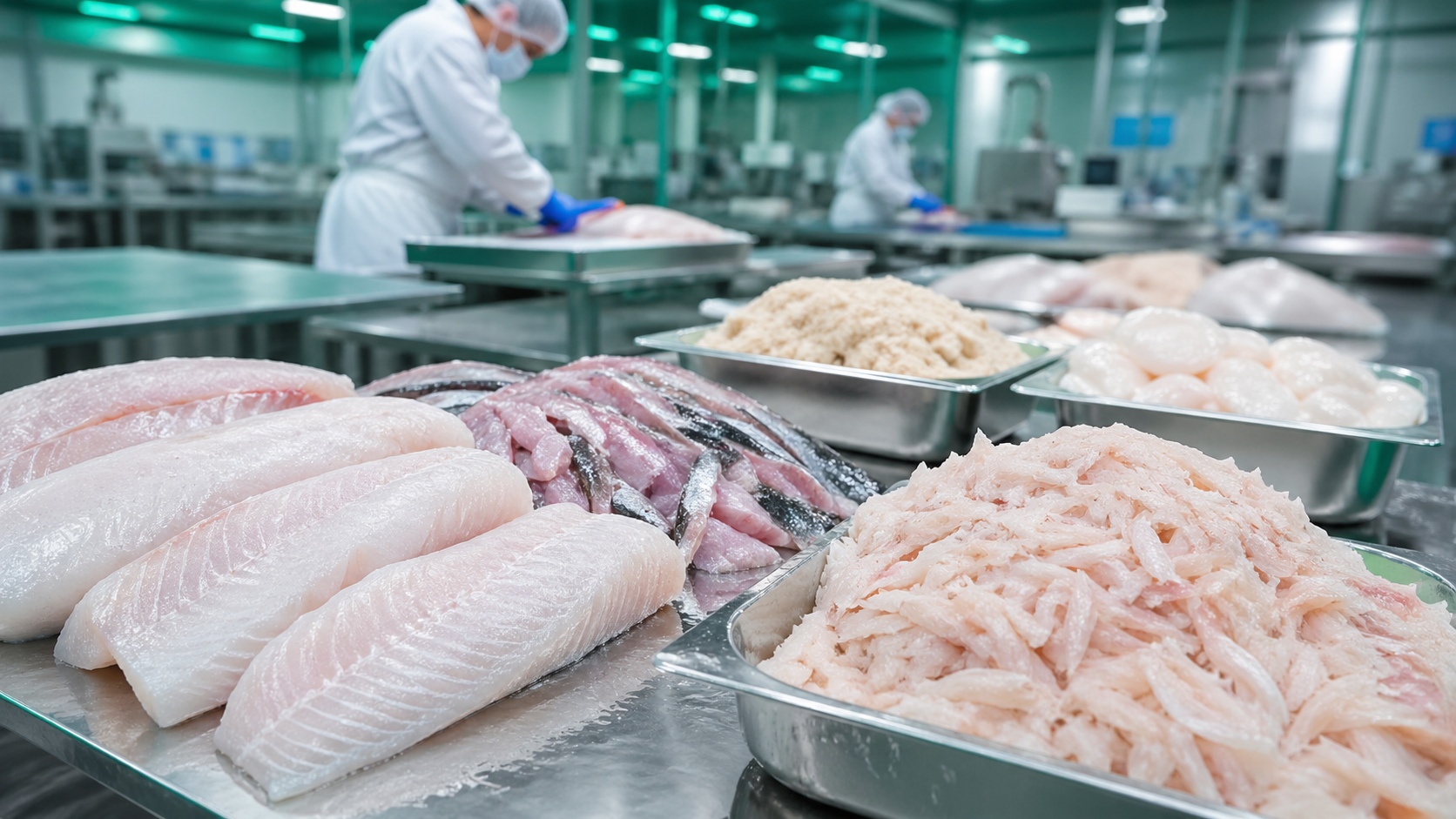
Filleting leaves a large share of edible seafood material outside the primary fillet. Heads, frames, trimmings, and offcuts often move into lower-value channels such as feed, oil, or biogas, despite containing usable protein and nutrients. Hailia’s process is designed to turn low-value sidestreams into food products with a desirable texture, creating a higher-value route for material that would otherwise be underused.
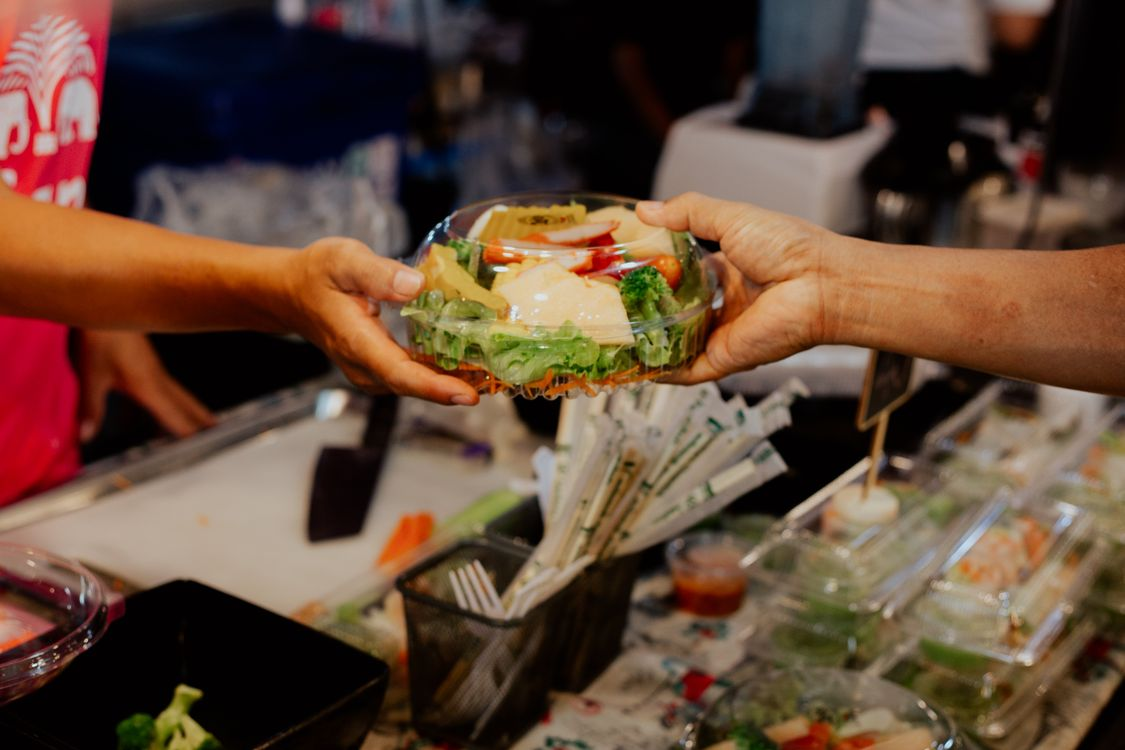
The survey identified several realistic end-use channels. Respondents saw potential for sidestream-based ingredients in ready meals, quick-service restaurants, workplace cafeterias, public institutions, and home cooking. Lunch catering appeared particularly promising, with 59% of respondents reporting a positive attitude toward sidestream-based products in that setting, compared with 16% who responded negatively.
Seafood processors are under pressure to improve yield, reduce waste, and protect margins as raw material costs, quota constraints, labour costs, and cold-chain requirements shape production economics. Sidestream utilisation provides a route to increase value per fish without requiring higher catch volumes.
Michaela Lindström, CEO of Hailia, said: “We see clear signals that consumers are open to incorporating these products into their daily lives, but transparency is essential to building lasting trust.”
That transparency point will influence commercialisation. German respondents placed weight on innovation, food quality, and process transparency. UK respondents were more focused on practical applications and fish as a protein source, while Swedish respondents were more likely to connect sidestream use with circularity and climate impact.
The challenge is to make sidestream products feel familiar rather than experimental. Ready meals, chilled prepared foods, foodservice formats, and institutional catering may offer a smoother route than standalone retail products, particularly where consumers are judging the finished meal rather than the processing route behind it.
The wider food industry is already moving in this direction. Dairy processors are finding new uses for whey and permeate streams, brewers are exploring spent-grain applications, and meat processors continue to increase value from by-products and secondary cuts. Seafood has had more ground to make up because consumer perception remains heavily tied to the premium fillet.
Hailia’s survey suggests that barrier is narrowing. If processors can combine quality, food safety, clear labelling, and reliable supply, sidestreams could become an industrial ingredient platform rather than a circular economy side project. The commercial test will be whether the economics work at scale and whether finished products can compete on texture, price, and convenience.