IN Brief:
- GI Chemical Solutions has commissioned an 11,500-tonne seaborne caustic soda tank at the Port of Immingham.
- The site adds 24/7 loading and faster dilution capability through a dedicated facility at the terminal.
- Food manufacturers rely on sodium hydroxide for CIP, hygiene operations, and water treatment across a wide range of processes.
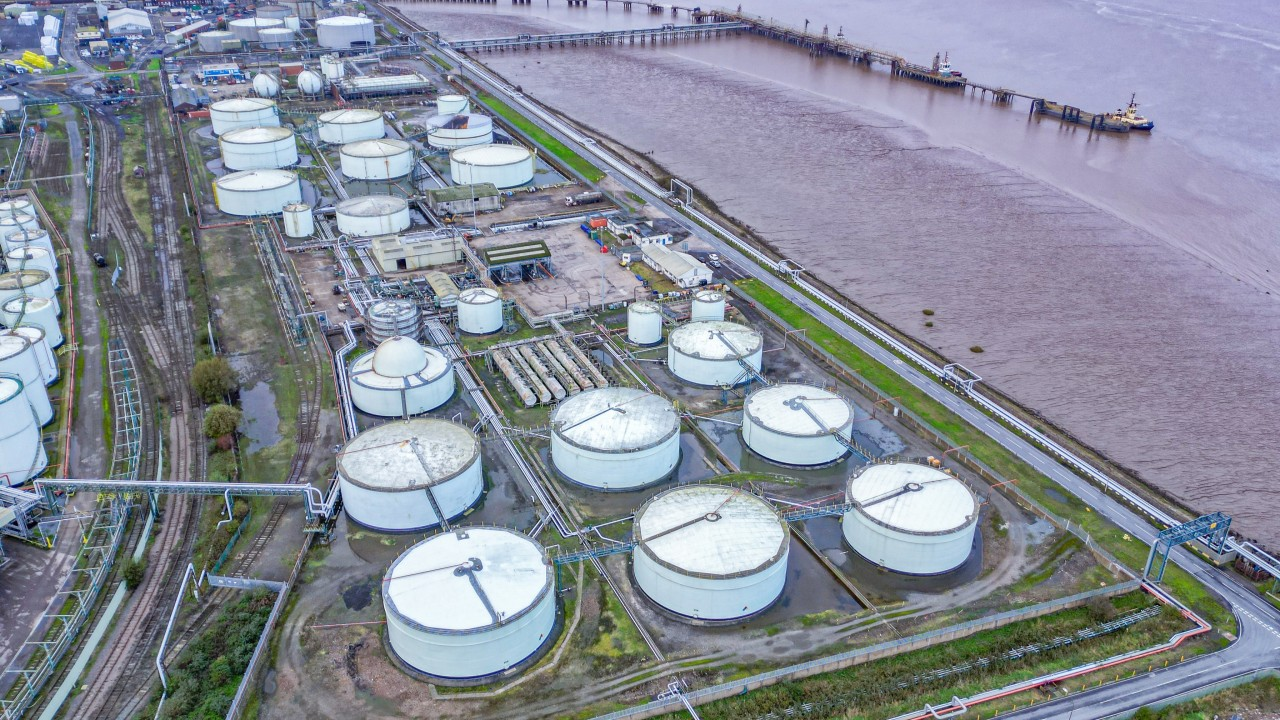
GI Chemical Solutions has commissioned an 11,500-tonne seaborne caustic soda storage tank at the Port of Immingham, expanding UK bulk capacity for a chemical widely used across food processing, water treatment, and industrial cleaning operations. The facility has been developed in partnership with Exolum on the East Terminal at Immingham and includes dedicated storage, upgraded tanker-loading infrastructure, and access to a water dilution facility designed to speed bulk supply into the domestic market.
GI Chemical Solutions says the installation is the largest seaborne caustic soda tank in the region and forms part of its wider expansion in the UK. Since launching its caustic soda activity in the country, the company says it has grown from zero to several thousand tonnes per month in distribution volume and now handles more than 55 bulk loads per week on average. The new terminal operation adds 24/7 loading capability, giving customers greater flexibility over deliveries and collection scheduling.
The site also includes a dedicated dilution facility able to pump water at 1,200 litres per minute, allowing GI Chemical Solutions to offer a range of caustic dilutions with faster turnaround. That is relevant across industrial sectors where sodium hydroxide is not always required in a standard concentration and where delivery responsiveness can affect downstream operations. In food manufacturing, the material is commonly used in clean-in-place systems, bottle washing, hygiene applications, and water treatment, where continuity of supply underpins routine plant operation rather than occasional project work.
Bulk utility chemicals rarely draw the same attention as ingredients or packaging, but they sit close to the core of factory reliability. A delay in caustic soda supply can affect sanitation schedules, processing continuity, and utilities management. Plants carrying leaner inventories, or those without extensive on-site storage for hazardous materials, are especially reliant on dependable inbound logistics. Storage and loading capacity at a major terminal such as Immingham therefore plays directly into operational resilience.
The investment also reflects a wider shift in industrial supply planning. Resilience is no longer being discussed only in terms of imported ingredients, transport disruption, or finished goods availability. It increasingly includes the less visible materials that support cleaning, process preparation, and environmental compliance. Food plants depend on a wider industrial backbone than is often acknowledged, and chemicals used in hygiene and water systems form part of that foundation.
Immingham already holds a strategic role in UK industrial logistics, and further specialised storage capacity strengthens that position. For manufacturers, the value lies in a more robust and responsive route for a product that supports daily plant operations. GI Chemical Solutions is using the site to increase its share of the UK market, but the additional infrastructure also gives domestic processors greater confidence in continuity for a material that remains essential across a wide range of production environments.