IN Brief:
- Sidel and China Resources Beverage have signed an equipment cooperation agreement covering aseptic technology and large-format PET bottling.
- The planned systems include Aseptic Predis processing and EvoBlow XL equipment for eight-to-ten-litre bottles.
- Sidel reports a design performance of 18,000 bottles per hour and 98% overall equipment effectiveness for the large-format line.
Sidel has signed a new equipment cooperation agreement with China Resources Beverage, covering aseptic beverage production technology and large-format PET bottling systems for the Chinese market.
The agreement was signed during the ninth China International Import Expo in Shanghai, extending a manufacturing partnership spanning approximately 11 years. The proposed equipment will support sensitive beverage production alongside larger bottled water formats.
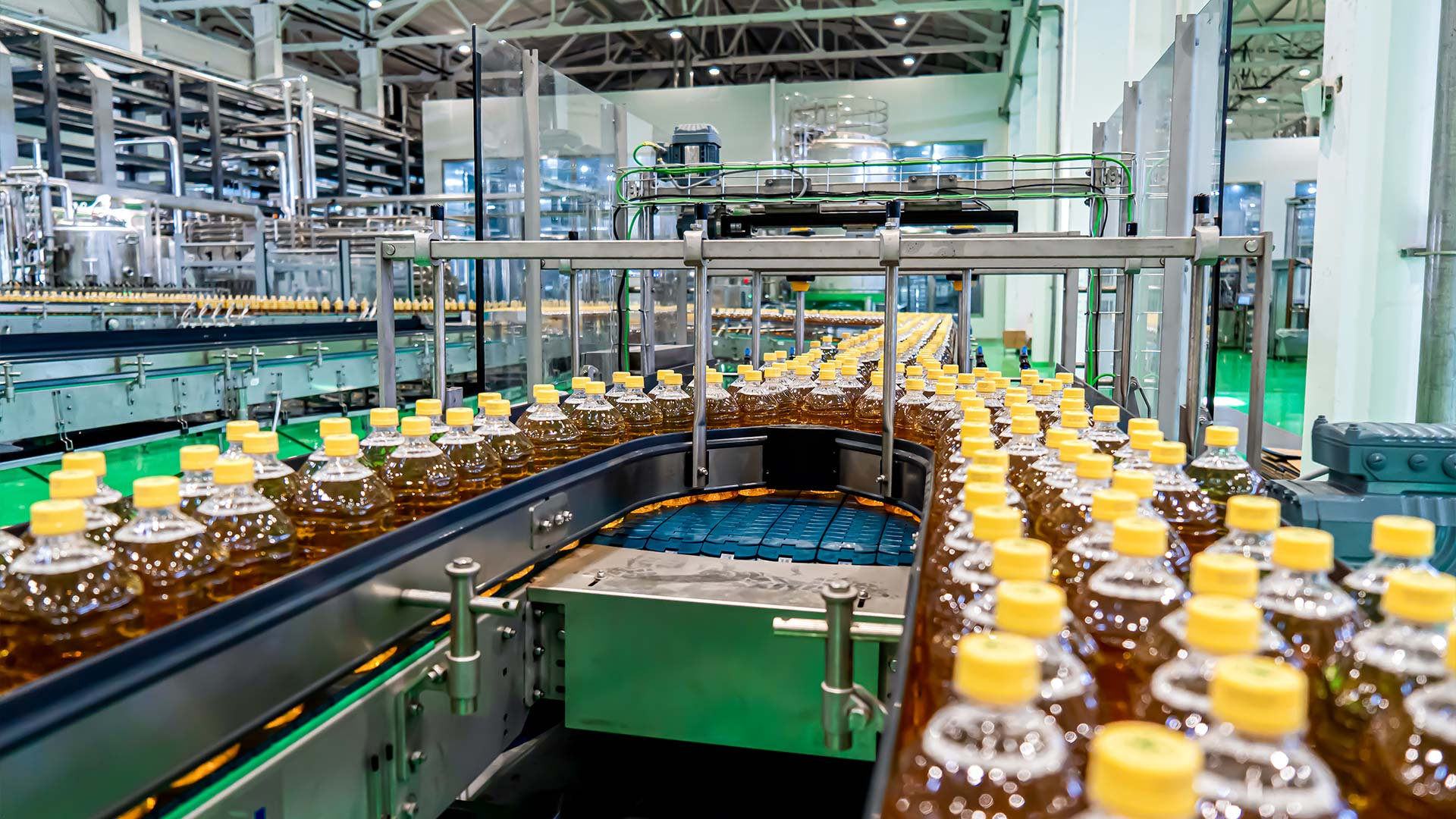
The programme includes Sidel's Aseptic Predis technology and a large-format bottling line centred on EvoBlow XL equipment, with filling machinery capable of handling PET containers from eight to ten litres.
Sidel has not disclosed the value of the agreement, a detailed equipment delivery schedule, or the production sites selected for the new installations.
China Resources Beverage operates the C'estbon bottled water brand and has expanded its production activities to serve a wider range of drinks. The company has previously installed Sidel equipment for both conventional water bottling and aseptic beverage production.
The latest agreement therefore builds on an established equipment relationship rather than introducing the two companies to one another for the first time.
Aseptic beverage filling requires the product, packaging, and filling environment to be managed within a controlled manufacturing process. The objective is to produce a packaged beverage with the required microbiological stability while maintaining its intended product characteristics.
Sidel's Aseptic Predis technology treats PET preforms with hydrogen peroxide before they are blown into bottles. The process introduces the decontamination agent during an early packaging stage, allowing subsequent bottle forming and filling operations to be integrated into the production system.
The decontamination process is designed to reduce microbiological contamination on the packaging material before the treated preform becomes a finished bottle.
Preform treatment differs from approaches that apply decontamination to finished empty bottles. The equipment configuration, treatment method, and controls used during transfer between processing stages influence the resources required and the maintenance of aseptic conditions.
Sidel states that its system can reduce water and chemical consumption compared with some conventional alternatives. The company has not provided a project-specific resource consumption comparison for the newly agreed China Resources Beverage equipment.
The aseptic arrangement is intended to support beverages including teas, juices, plant-based drinks, and electrolyte waters. These products can have different microbiological and formulation requirements, depending on factors such as acidity, ingredient composition, and the intended shelf life.
Manufacturing conditions must consequently be established for the individual beverage. A filling system's suitability cannot be determined solely from the name of the product category.
Processing sensitive drinks also requires coordination between beverage treatment, packaging decontamination, filling operations, and closure application. Each stage must maintain the conditions needed to prevent contamination of the finished product.
Equipment settings, cleaning procedures, process monitoring, and validation all contribute to maintaining reliable operation. Aseptic processing cannot be reduced to the performance of the filling machine in isolation.
China Resources Beverage's earlier projects provide operating experience with this technology. In 2025, Sidel reported supplying three high-speed aseptic lines to the company's Chinese manufacturing operations.
Those installations included equipment for tea, plum juice, carbonated beverages, and other drinks with differing acidity characteristics. Sidel reported successful initial aseptic validation of the systems.
The earlier projects were designed to handle smaller beverage formats, including 450 ml and one-litre PET bottles. Their reported operating speeds reached 54,000 and 27,000 bottles per hour respectively, depending on the selected format and line configuration.
These figures describe equipment supplied under previous projects and must not be treated as the capacity of the newly agreed installations.
The latest large-format packaging programme addresses a different operating requirement. Eight-to-ten-litre PET containers require bottle forming and filling equipment designed to accommodate a substantially greater volume than ordinary single-serve beverage packaging.
Blow moulding larger bottles requires controlled heating and stretching of the preform to establish the intended container geometry and material distribution.
The relationship between preform design, heating conditions, mould geometry, and blowing parameters influences the resulting bottle's dimensions and mechanical performance.
Maintaining suitable wall thickness and structural behaviour becomes particularly important where large containers must withstand filling, transport, handling, and storage while carrying several litres of product.
The filling operation must also accommodate the greater mass of each filled container. Conveying, transfer, and downstream packaging systems need to operate reliably with the selected bottle dimensions and weights.
Depending on the equipment arrangement, changes to bottle geometry can affect the handling requirements of several stages within the same line. Flexibility across container formats therefore depends on more than the ability of one machine to form different bottle sizes.
Sidel's proposed configuration uses its EvoBlow XL range with filling equipment intended to accommodate containers from eight to ten litres. The manufacturer identifies flexible oven arrangements and compatibility with different neck dimensions among the available equipment characteristics.
According to Sidel, the large-format line can achieve 18,000 bottles per hour with overall equipment effectiveness of 98%.
These are supplier-reported performance characteristics. The agreement does not establish that a newly commissioned China Resources Beverage line has already achieved those figures under regular production conditions.
Overall equipment effectiveness combines availability, performance, and quality into a measure of how effectively scheduled manufacturing time produces acceptable output.
Comparisons between bottling lines also require consideration of container size and production configuration. A line filling ten-litre containers at a particular bottle rate handles a substantially different liquid volume from a line producing small single-serve bottles at the same rate.
China Resources Beverage and Sidel have previously worked together on large-container production. An earlier installation supplied in 2024 used EvoBlow XL technology for 4.5-litre and six-litre PET water bottles, with Sidel reporting production of 12,000 bottles per hour.
The 2026 agreement concerns equipment capable of handling larger eight-to-ten-litre formats and should be distinguished from that earlier project.
Sidel maintains a manufacturing operation in Beijing, supporting equipment assembly and technical services within China. Its established regional presence provides a base for further engineering and project support.
Installation locations, commissioning dates, and measured performance of the newly agreed systems have not yet been confirmed.
The equipment agreement extends China Resources Beverage's access to aseptic filling and large-format PET production technology, with further operational details expected as the programme advances towards installation.