IN Brief:
- TNA's first Muscat Chips line produces up to 300kg of potato chips per hour and supports 24 SKUs.
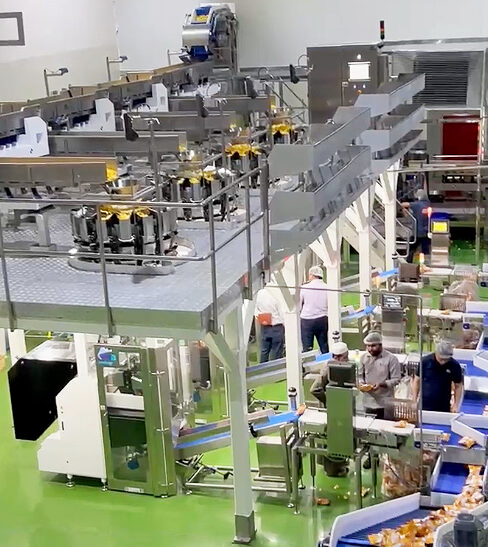
- The integrated installation covers preparation, frying, seasoning, distribution, weighing, inspection, coding and vertical form fill and seal packaging.
- Packaging reaches up to 120 12g pillow packs per minute, and Mohammed Riaz & Partner has now ordered a second potato chip line.
TNA Solutions has secured an order for a second potato chip line from Mohammed Riaz & Partner in Oman, following delivery of an integrated processing and packaging system used to establish the company’s Muscat Chips and Muscat Chips Crinklz operation.
The first line is rated at 300kg per hour, supports 24 stock keeping units and covers production from raw potato preparation through to finished bag manufacture. TNA supplied washing, peeling, slicing, blanching, frying, seasoning, distribution, weighing, metal detection, date coding and vertical form fill and seal packaging as one integrated project.
Packaging output reaches up to 120 pillow bags per minute on the 12g format, while the line also handles 65g packs and dedicated multipack configurations. The subsequent order for another potato chip line is the newest development in the project and moves expansion provision built into the original factory plan towards additional installed capacity.
The first system includes the TNA conti-pro PC 3 fryer, intelli-flav OMS 5.1 seasoning equipment, roflo VM3 vibratory distribution systems and robag 3e vertical form fill and seal machinery alongside weighing, inspection and coding equipment.
Bringing that machinery together as a complete line changes the engineering task from optimising individual machines to balancing the whole process. A fryer can only sustain its planned output if seasoning, distribution, weighing and packaging can accept the same product flow without repeatedly forcing upstream equipment to slow or stop.
The relationship between those stages is particularly important in snack production because finished products are light, fragile and produced at high pack counts. Small disturbances in distribution can create uneven feed to weighing equipment, while packaging interruptions can quickly force product to accumulate upstream.
Mohammed Riaz & Partner entered snack manufacturing as a new producer, developing a greenfield plant rather than installing the line into an established food factory. That gave the company greater freedom over equipment layout but also required utilities, hygiene zoning, access, product flow and expansion provisions to be resolved during the project.
TNA says the factory layout changed several times during development. The final design was configured to accommodate future expansion while avoiding bottlenecks around the first line, a decision that has gained relevance now that a second potato chip system has been ordered.
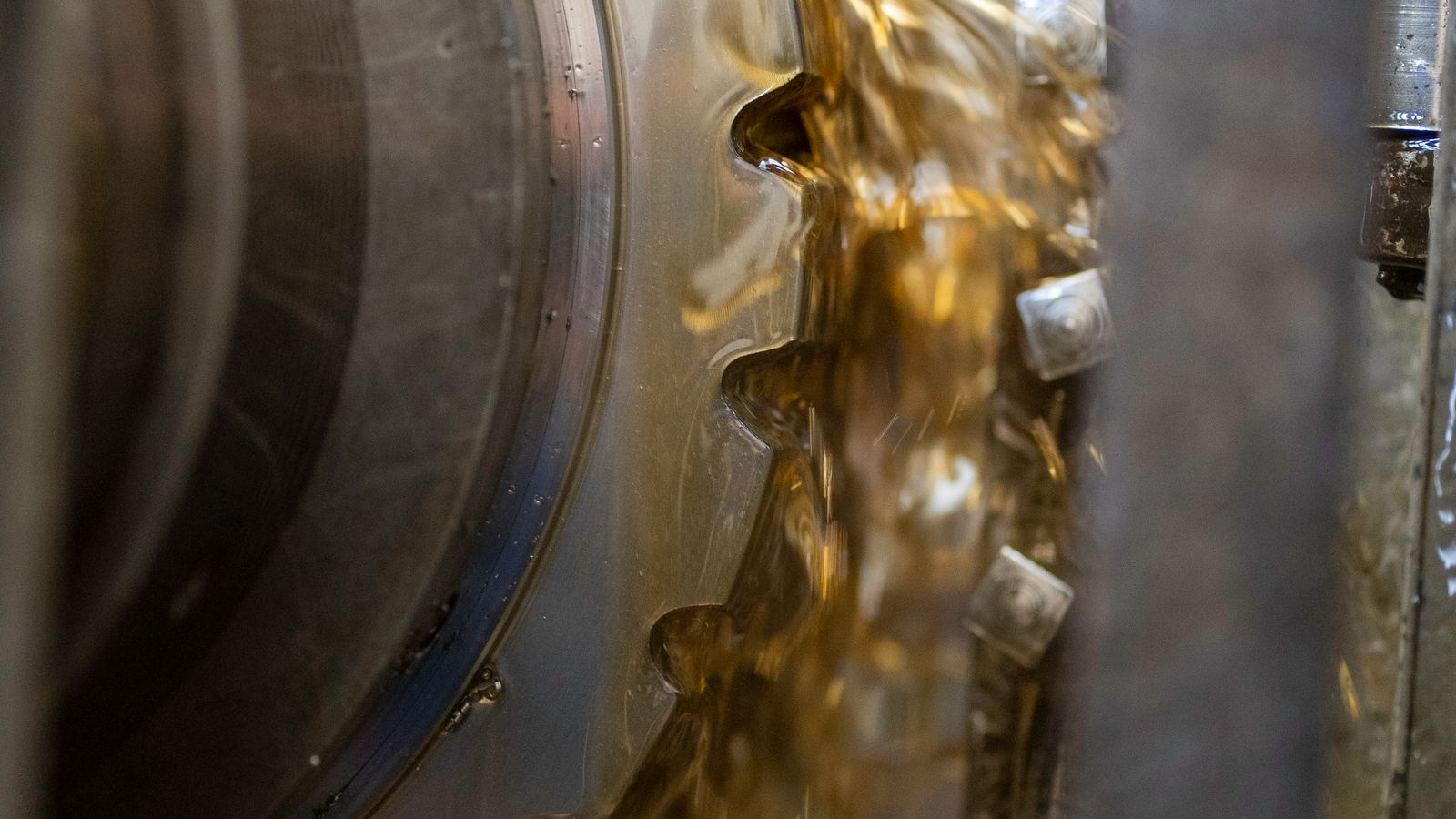
The existing line begins with potato preparation before blanching and frying. The conti-pro PC 3 is a continuous atmospheric fryer using controlled oil flow and temperature management to maintain stable cooking conditions through the production run.
At the 300kg per hour capacity used in Oman, stable feed remains as important as headline fryer output. Variation in raw potato condition, slice thickness or feed rate can change the load entering the fryer and affect moisture removal, colour and downstream product flow.
Seasoning follows frying before vibratory distribution equipment moves product towards weighing and packaging. Distribution is a critical transition because a vertical bagger operating at high speed needs a steady supply of product across the weighing system to maintain both pack rate and target weight.
The 12g format creates a particularly high pack count from a relatively modest mass throughput. Running up to 120 bags each minute places demands on film handling, weighing, sealing, coding and inspection that are different from those created by larger packs moving at lower counts.
The ability to handle 24 SKUs adds further complexity. Different flavours and pack sizes can require changes to seasoning, target weight, packaging film, artwork, bag dimensions and secondary packing, making changeover performance part of the commercial value of the line.
A flexible plant can support a broad product range, but every additional format creates more opportunities for lost time during cleaning, setup and start-up. Production planning therefore has to balance market variety against the efficiency of longer campaigns.
Metal detection and date coding are incorporated into the integrated system rather than operating as isolated downstream steps. That places inspection and traceability within the same controlled production flow and reduces additional product handling between packaging and finished-goods release.
The first line also provides an operating reference for the second installation. Engineering teams now have data on actual product rates, utilities, maintenance requirements and changeovers rather than relying entirely on design assumptions when planning the next capacity increase.
That should make it easier to identify where shared infrastructure will need to expand. A second line increases requirements for raw potatoes, oil management, seasoning, packaging film, compressed air, electrical load, labour, warehousing and dispatch as well as for the process equipment itself.
The second order therefore creates a factory-wide project rather than simply duplicating machinery. Utilities and material handling that were adequate for one line have to be assessed against the combined duty of two, while maintenance resources and spare parts planning become more important as the installed equipment base grows.
Fahad Mohammed Riaz, Vice Chairman of Mohammed Riaz & Partner, said the business was “building on this momentum and planning a second line to support future growth”.
The quotation reflects the main distinction between the September announcement and TNA’s earlier July case study. The original installation is not new, but the supplier now confirms that Mohammed Riaz & Partner has progressed from provision for expansion to placing an order for another potato chip line.
That makes the next phase a test of how well the original greenfield planning scales. The first line established an integrated route from raw potatoes to coded finished packs; the second will increase the importance of plant-wide scheduling, shared utilities and material flow between production and warehouse operations.
For TNA, the order also demonstrates the commercial value of supplying a complete line rather than an isolated machine. Performance across frying, seasoning, weighing and packaging becomes the basis for the next capital decision because the customer is judging the installed process as a complete operating system.
Mohammed Riaz & Partner now has to increase capacity without losing the process consistency achieved on the first installation. The extra line will add output, but its practical success will depend on whether the wider factory can absorb higher throughput while maintaining product quality, packaging performance and flexibility across the growing SKU range.