IN Brief:
- Proposed European Parliament amendments would extend protected meat terminology to names including burger, sausage, nugget, and meatball.
- Existing Regulation (EU) 2026/1739 reserves 31 other meat-related terms, with those designation rules applying from August 2029.
- Another change would require plant-based manufacturers to manage packaging, artwork, product data, and potentially additional market-specific variants.
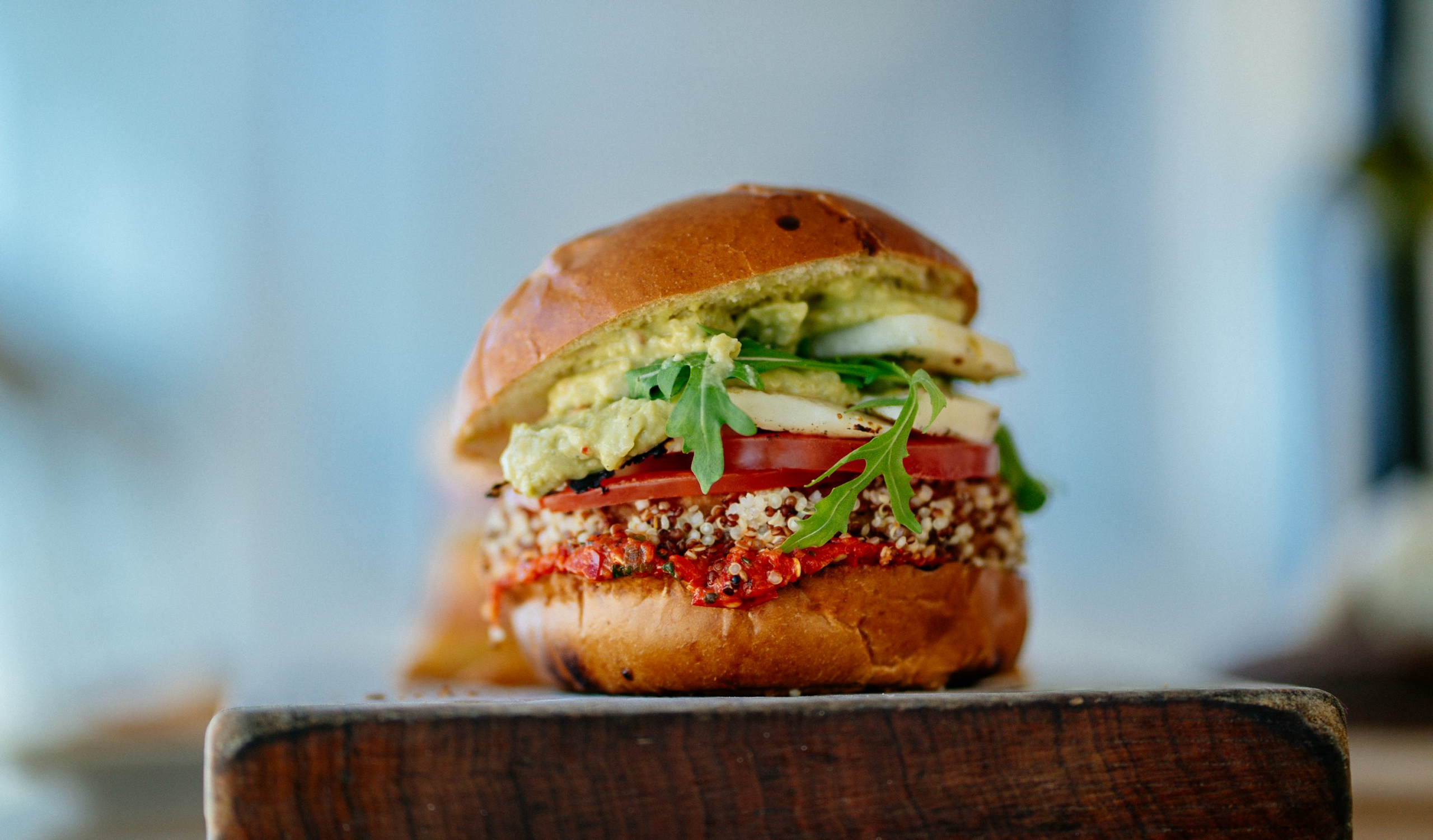
The European Parliament is facing another dispute over the terminology used for plant-based foods after amendments were tabled seeking to reserve a wider group of familiar meat-related names. The proposals would extend restrictions to terms including burger, hamburger, sausage, nugget, schnitzel, meatball, and several other processed-meat descriptions.
The amendments form part of the Parliament’s work on a wider Common Market Organisation reform, procedure 2025/0237, which is currently awaiting a committee decision. The Agriculture and Rural Development Committee is expected to examine the amendments on 2 September before the broader file progresses towards a committee vote later in the year.
No expanded naming restriction has yet been adopted. The amendments reopen a question that EU institutions narrowed during negotiations completed earlier this year, when Parliament and Council settled on a list of protected meat designations that does not include burger, sausage, or nugget.
That agreement became Regulation (EU) 2026/1739, published in the Official Journal on 29 July and in force since 18 August. Its meat-designation provisions will apply from 19 August 2029, giving manufacturers several years to adapt before the restrictions become operational.
The regulation reserves 31 terms covering animal species, cuts, and familiar meat descriptions, including beef, veal, pork, poultry, chicken, turkey, lamb, bacon, steak, liver, breast, thigh, tenderloin, ribs, and brisket. Products made or imported legally before the new rules apply may continue to be marketed until stocks are exhausted or 19 August 2032, whichever comes first.
The latest amendments would broaden that vocabulary considerably. One proposal from French MEP Céline Imart includes burger, hamburger, sausage, chorizo, salami, pepperoni, ham, meatball, minced meat, patty, nugget, schnitzel, meatloaf, pastrami, fillet, and liver among terms to be reserved.
Repeated changes feed into packaging planning
A further legislative change would reach well beyond the wording used in advertising. Product names sit across packaging artwork, print specifications, retailer product databases, warehouse records, online listings, export documentation, and internal product-management systems, so renaming a range can require coordinated changes across several operating functions.
Printed packaging creates a particular timing problem. Manufacturers normally order films, labels, sleeves, cartons, and other materials against forecast demand, with minimum order quantities and lead times designed around stable artwork. A future change in permitted terminology can leave businesses deciding whether to run down existing stock, redesign early, or maintain different versions for separate markets.
The UK adds another layer because EU food-labelling law no longer changes automatically on both sides of the Channel. A company supplying broadly similar plant-based products into Britain and the EU may consequently face different naming rules, increasing the prospect of separate packaging variants where a common design previously served several markets.
The cost is unlikely to be dominated by changing a single word. Legal review, retailer approval, packaging validation, digital product data, barcodes where required, artwork control, and disposal of obsolete printed stock can all sit behind a seemingly small label amendment. Repeated policy changes are harder to absorb because packaging and product-development cycles are generally planned years rather than weeks ahead.
That uncertainty arrives while the plant-based sector is already under pressure to control manufacturing costs and rationalise portfolios. European private investment in plant-based meat and dairy companies fell markedly during the first half of 2026, encouraging greater scrutiny of product ranges and capital expenditure.
The amendments are politically contested. Several lawmakers are attempting to widen the terminology restrictions, while rapporteur Eric Sargiacomo had proposed removing meat-designation provisions from the broader CMO file after the issue was addressed through Regulation 2026/1739. The committee process will determine which approach survives into Parliament’s eventual negotiating position.
Manufacturers therefore have no basis yet for treating terms such as burger or sausage as prohibited. The legally settled position is the narrower Regulation 2026/1739 list, and its meat-designation provisions do not apply until August 2029.
The September committee discussion will show whether enough support exists to reopen that compromise. Until the legislative position becomes clearer, packaging and regulatory teams have to plan against rules already adopted while retaining enough flexibility to accommodate another set of names that may — or may not — eventually join them.