IN Brief:
- Vital Farms’ second-quarter gross margin fell to 6.6% as surplus eggs moved into lower-value channels.
- Excess breaker sales reduced gross profit by $19.5 million and added shipping and contract-amendment costs.
- Supply controls and slower expansion must restore balance without weakening the farm network required for future growth.
Vital Farms is reducing egg supply and slowing capital spending after industry-wide oversupply pushed surplus shell eggs into lower-value breaker and wholesale channels during the second quarter.
Net revenue fell by 10.1% to $166 million for the 13 weeks ended 28 June, while gross margin dropped to 6.6% from 38.9% a year earlier. The company moved from net income of $16.6 million to a net loss of $31.1 million as higher production costs and an unfavourable sales mix passed through the business.
Excess sales to breaker and wholesale channels contributed only $0.1 million to revenue growth because a large rise in volume was almost entirely offset by lower prices. Vital Farms said that mix reduced gross profit by $19.5 million, with a further $1.5 million of shipping and distribution costs and $0.8 million of farmer contract amendment amortisation.
The quarter also included $3 million of consulting fees connected with feed-cost savings and $7.8 million of costs arising from the wind-down of the company’s butter business. Those figures place the recovery programme across farms, packing, processing, distribution, and corporate overhead rather than treating the result as a retail-pricing problem alone.
Egg output adjusts more slowly than demand
Shell egg supply cannot be switched off with the speed available to a factory making packaged goods from purchased ingredients. Flock placement, bird age, laying cycles, feed contracts, housing, welfare commitments, and producer agreements determine future availability months before the eggs reach a packing centre.
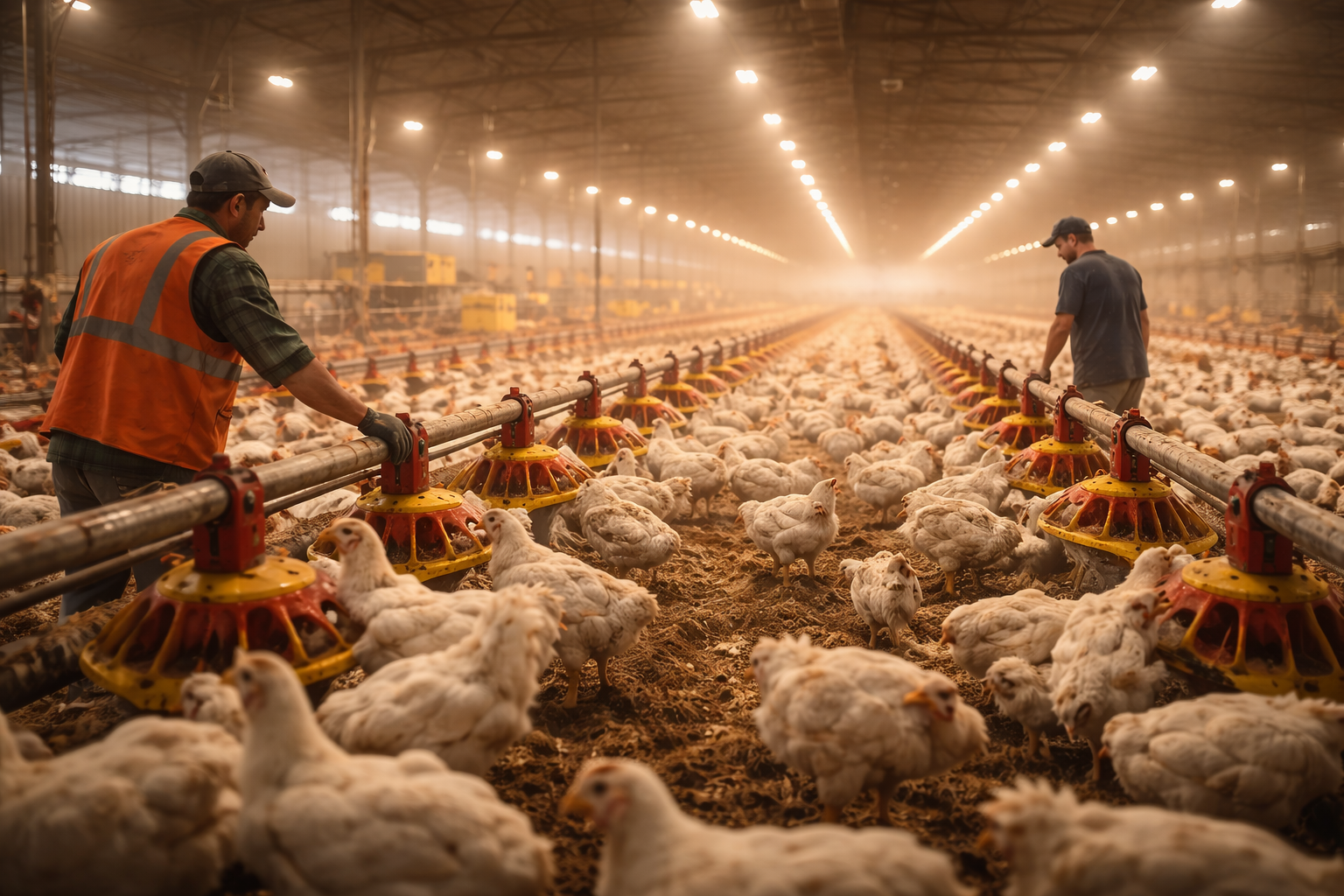
Vital Farms works with more than 625 farms, giving the brand a broad supply base but increasing the coordination required when demand and production diverge. The company has executed voluntary contract amendments with producers to reduce supply and said its projections were balanced as it entered the third quarter.
Those amendments have to protect the longer relationship as well as the immediate cost base. Farmers invest in barns, land, equipment, and birds around expected offtake, so abrupt reductions can weaken the network that the company will need when retail demand improves. Retaining every surplus egg, however, simply transfers the loss into lower-value channels, storage, or waste.
Breaker sales provide an outlet by converting shell eggs into liquid ingredients for food manufacturers and foodservice users. They do not preserve branded retail economics. A market carrying excess supply can depress breaker values sharply, while the diverted volume creates different transport, handling, scheduling, and processing requirements.
Retail-channel revenue fell to $158 million from $176.1 million. Vital Farms said shell egg category prices were more than 35% lower year on year, although its share of category value increased by more than 200 basis points. The gain suggests the brand retained relative strength, but share does not compensate automatically for weaker category pricing and underused supply.
Capital plans now follow the reset
The company is slowing investment to reflect the revised demand outlook. Capital expenditure reached $37.5 million during the first half, compared with $10 million a year earlier, while the full-year expectation now stands at $70 million to $75 million.
Spending is being reduced at the Vital Crossroads facility and planned accelerator farms. Delaying capacity is rational while current supply exceeds demand, although the decision creates a later timing risk because packing, grading, refrigeration, and farm capacity cannot be added immediately when volumes recover.
Feed savings form another part of the response. Feed is among the largest farm-level input costs, but changes must preserve bird health, welfare, laying performance, and egg quality. A cheaper ration that reduces consistency or output merely moves cost into another part of the chain.
Vital Farms has reaffirmed full-year revenue guidance of $775 million to $800 million and adjusted EBITDA of zero to $10 million. The outlook assumes a return to positive shell egg volume growth during the second half, improving retail mix, continued distribution gains, and no major intensification of competitive pressure.
The company has also arranged a $125 million term loan and a $60 million asset-based lending facility. The additional liquidity provides room to manage the reset, but it does not alter the operating requirement to bring flock output, packing capacity, retail demand, and breaker exposure back into alignment.
The quarter demonstrates how quickly an agricultural surplus can travel through an industrial food system. A decision made at flock-placement stage eventually affects grading lines, cold storage, haulage, liquid-egg plants, customer pricing, and capital plans.
Vital Farms expects the immediate imbalance to ease during the third quarter. The more difficult task is maintaining enough farm and packing capacity for future growth without rebuilding the same surplus that produced the second-quarter loss.