IN Brief:
- Emami Agrotech plans to invest ₹750 crore in its new packaged-snacks business.
- Approximately ₹400 crore is earmarked for a greenfield snacks and staples factory in West Bengal.
- Land, approvals, commissioning, and factory utilisation remain critical to the proposed two-year construction programme.
Emami Agrotech plans to invest ₹750 crore in packaged snacks over the next three to five years, including approximately ₹400 crore for a greenfield manufacturing complex in West Bengal.
The proposed plant would produce snacks and staples for the company’s new WeMe range, which has launched with potato chips, jhuri aloo bhaja, and a chocolate hazelnut spread. Emami is targeting ₹1,000 crore of revenue from the business over five to seven years, but land discussions remain incomplete and no final site has been disclosed.
Aditya Vardhan Agarwal, director of Emami Group, said the factory would take around 24 months to build once the land and related matters had been cleared. The timetable is therefore conditional rather than a fixed commissioning commitment, with the bulk of the project spending expected during construction.
The plan moves Emami Agrotech beyond an edible-oils business that still accounts for most of its scale. Branded edible oils contribute around ₹12,000 crore of the company’s approximately ₹20,000-crore turnover, while its wider food portfolio already includes spices, staples, soya products, and bakery fats.
Snack production adds new process demands
A dedicated snacks plant requires a different operating model from oil refining, crushing, or dry-staples packing. Potato chips depend on raw-material variety, solids content, slice thickness, washing, frying temperature, oil turnover, seasoning pickup, moisture, and breakage, with small deviations quickly visible in the finished pack.
Jhuri aloo bhaja introduces a second fried-potato format with its own handling and drainage requirements. Fine potato strands can behave differently through frying, de-oiling, seasoning, and conveying, so the plant will need equipment and controls suited to both throughput and product integrity rather than assuming one line configuration will serve every format.
The chocolate hazelnut spread adds another process route, including ingredient preparation, grinding or refining, mixing, thermal control, filling, and allergen management. Emami has not said whether the spread will be made at the proposed factory, but a site producing several categories would require clear zoning, scheduling, and cleaning arrangements if fried snacks and spread production shared utilities or warehousing.
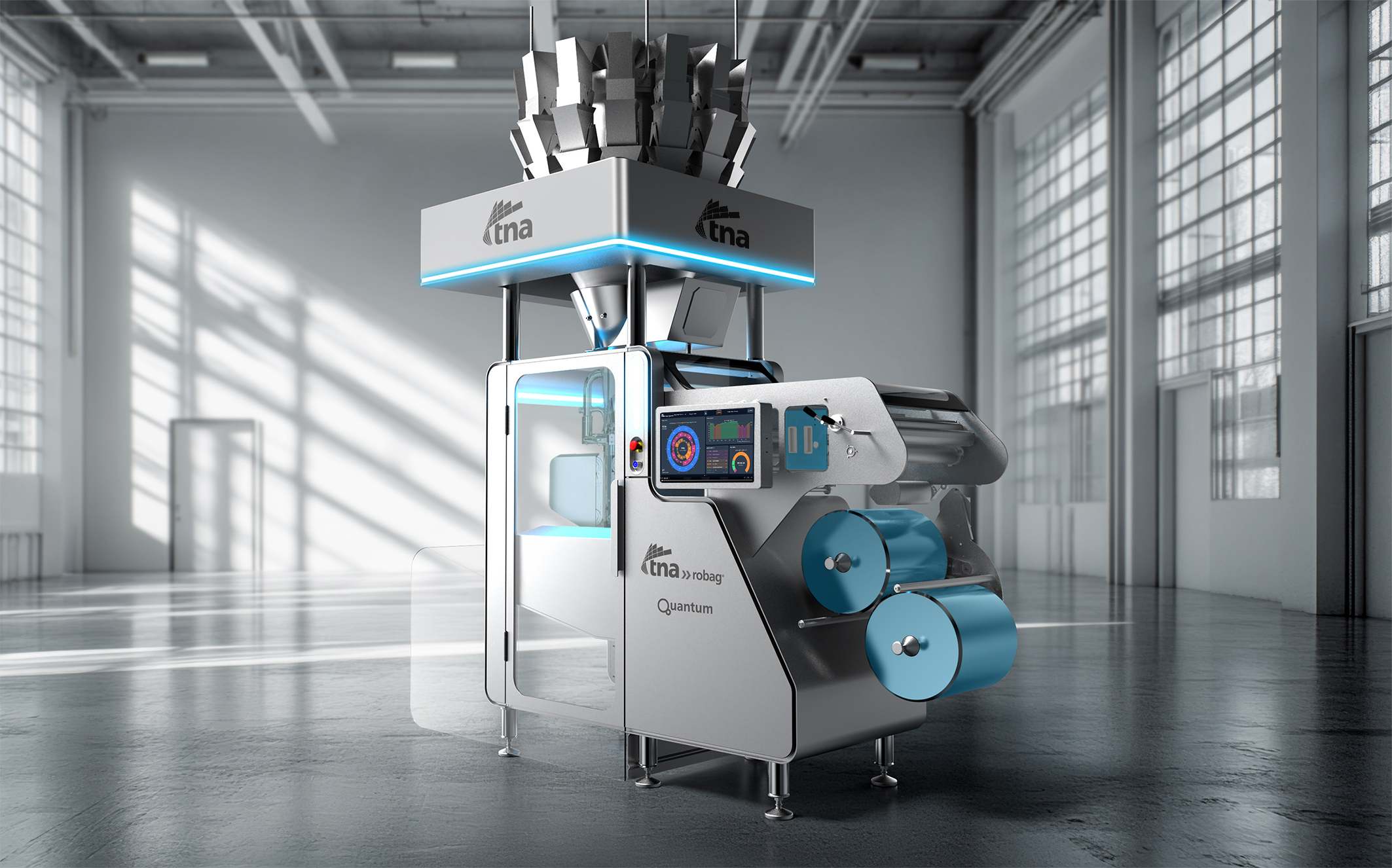
Packaging will be central to the project. Fried snacks rely on barrier performance, seal integrity, nitrogen flushing, and controlled handling to protect texture and flavour, while spreads require accurate filling, closure control, tamper evidence, and stable product behaviour through storage and distribution.
WeMe is initially using quick commerce to lead the rollout, alongside general-trade expansion from Kolkata into other markets. That channel mix affects production planning because rapid-delivery platforms can expose demand changes quickly, while broader distribution requires larger case volumes, longer inventory routes, and tighter coordination with distributors.
Land and utilisation remain the early tests
A greenfield development gives Emami the opportunity to design material flow, hygiene zoning, utilities, warehousing, and packaging around the intended product mix. It also leaves the company carrying planning, construction, equipment, recruitment, validation, and ramp-up risk before the first commercial tonnes are produced.
The 24-month estimate will start only after land and related approvals are resolved. Any delay would push equipment procurement, installation, workforce training, and customer supply planning further out, while a compressed schedule could place pressure on commissioning and product-transfer work.
Emami Agrotech already operates manufacturing facilities at Haldia, Krishnapatnam, Jaipur, and Kandla. That network provides experience in procurement, large-scale production, and distribution, although snack manufacturing will still require specialist capability in frying, seasoning, foreign-body control, pack inspection, allergen management, and finished product release.
The proposed plant must also balance scale with flexibility. Long production campaigns improve efficiency, but a new brand typically needs several pack sizes, recipes, and promotional formats while demand is still being established. Excessive changeovers can erode the benefit of high-speed equipment through lost time, cleaning, film waste, and start-up losses.
The broader snacks market is attracting substantial investment and consolidation. Recent ownership changes in the international snacks sector have reinforced the value of established manufacturing and distribution networks, while Emami is choosing to build its own capacity and carry the associated execution risk.
The ₹1,000-crore revenue ambition will depend on more than consumer recognition. The factory must reach stable yields, protect oil quality, hold pack performance, and support replenishment across digital and conventional channels without allowing working capital or product variety to outrun demand.
Emami has set out the scale and direction of the project, but the investment remains at an early stage. The next material milestones are land selection, approvals, construction, and a disclosed commissioning plan that converts a broad packaged-food strategy into an operating manufacturing asset.