IN Brief:
- China restores Irish beef access after a 2024 BSE-linked suspension.
- Move lands amid EU–China trade strain, including dairy and pork measures.
- Exporters gain optionality, but quotas and compliance scrutiny remain.
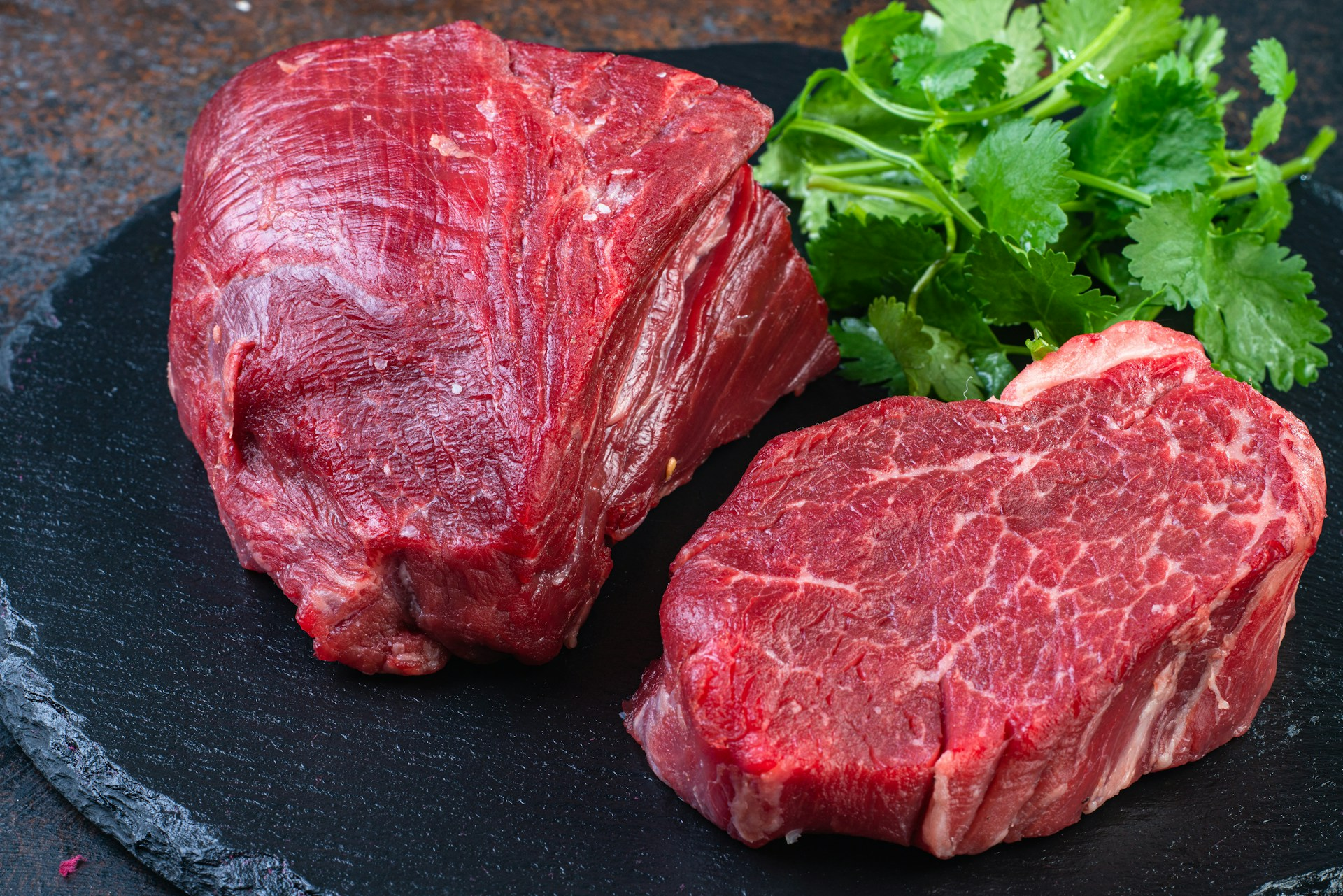
China has reopened its market to Irish beef imports, ending a suspension imposed in 2024 after the discovery of a case of bovine spongiform encephalopathy (BSE). The change reopens a premium export channel for Ireland’s beef sector at a time when European agrifood trade with China is already being buffeted by wider political and regulatory crosswinds.
Ireland’s prime minister, Micheál Martin, confirmed the reopening on January 12, following his visit to China and a meeting with Chinese President Xi Jinping. “The confirmation today that the Chinese market will reopen for Irish beef is a very important and positive development in our bilateral agrifood trade with China,” Martin said in a statement. A Chinese customs database showed that China resumed imports from Irish beef exporters on Monday.
For Irish processors and exporters, the reopening is less about immediate volume and more about regaining commercial leverage. Market access to China supports carcass balance, helps defend pricing for specific cuts, and provides a release valve when other destinations tighten specifications or slow demand. In practice, that can influence procurement behaviour and throughput decisions well upstream, including in chilled logistics and packaging planning.
The timing is also awkwardly political. Reuters notes that Martin raised issues related to China’s new dairy tariffs during the trip, and that ties between Beijing and Brussels have been strained since the EU imposed levies on Chinese electric-vehicle imports in 2024, prompting Chinese retaliation that included tariffs on EU dairy and pork products. For food businesses, this is the part that keeps trade teams awake: market access can be granted, but it can also be withdrawn — quickly, and for reasons that have little to do with meat.
China has also moved to protect its domestic cattle industry by imposing an import quota on beef from major suppliers including Brazil, Australia, and the US. That matters because a reopened Irish channel does not automatically translate into unconstrained growth; even if product is cleared, it still has to compete within broader policy limits and shifting domestic demand.
Ireland exports the bulk of its beef and dairy output, with the dairy industry alone shipping around €6 billion of goods annually, according to Reuters. Beef access to China, therefore, is not a niche talking point — it is part of the broader machinery that keeps the island’s agrifood model functioning, even if the gears occasionally grind.