IN Brief:
- €60m pilot plant planned at Tetra Pak’s Lund facility.
- Technology replaces aluminium foil with a paper-based barrier.
- First customers are expected in the first quarter of 2027.
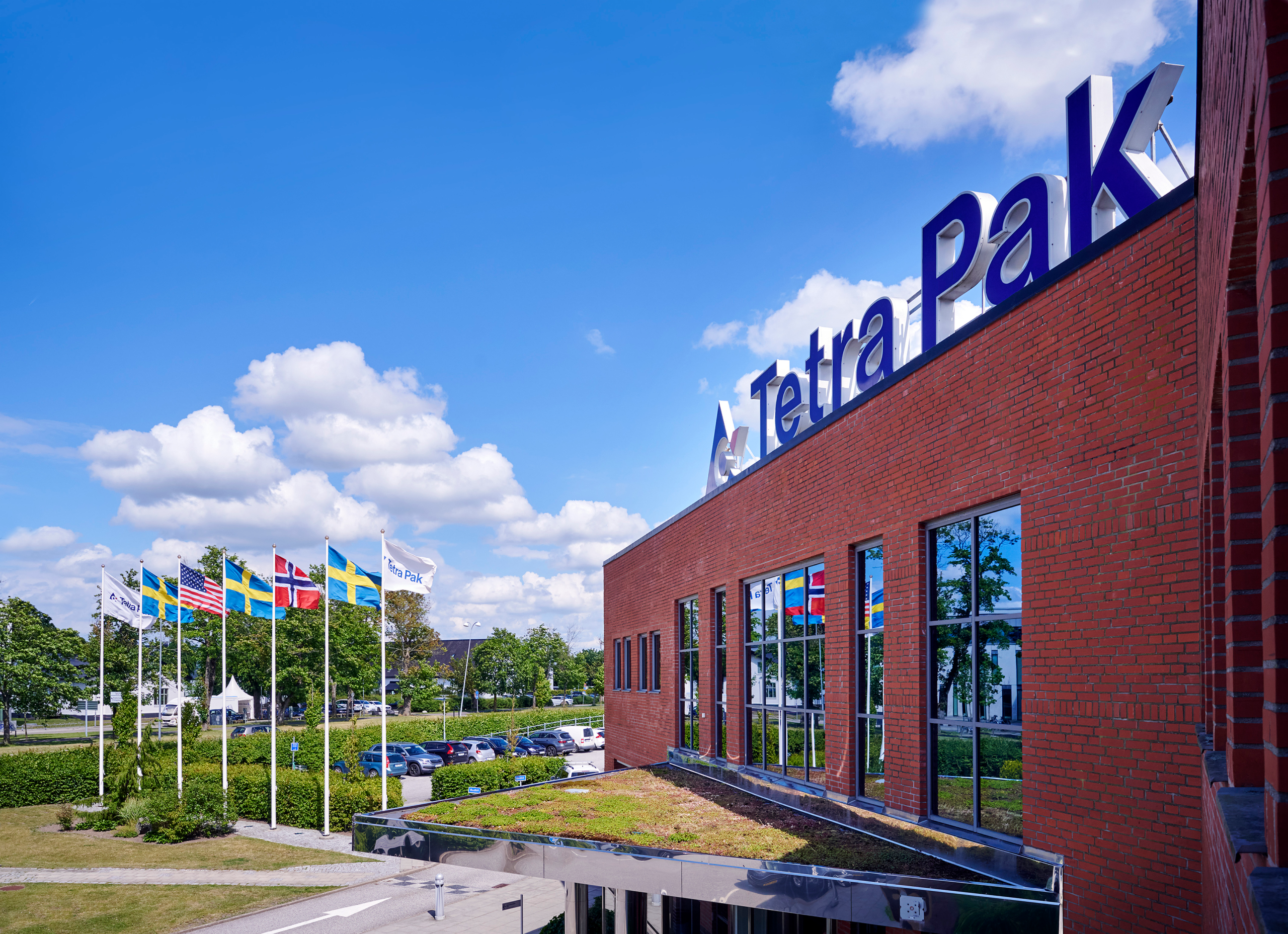
Tetra Pak has set out a €60 million investment programme to build a new pilot plant in Lund, Sweden, focused on scaling its paper-based barrier technology for aseptic beverage cartons — an effort aimed at reducing reliance on aluminium foil layers and increasing renewable content in carton structures.
In a statement dated 26 January 2026, the company said the pilot plant will accelerate development of an aseptic packaging material that replaces the traditional aluminium foil layer with a paper-based barrier. Tetra Pak says the change increases paper content in beverage cartons to around 80%, and, when combined with plant-based polymers, can raise the traceable renewable content of a carton to up to 92%. The company also claims a potential carbon footprint reduction of up to 43% compared with a standard reference package, based on a Carbon Trust-verified model cited in its release.
The shift matters for beverage and liquid food manufacturers because barrier performance, sealing integrity, and line efficiency are not optional extras in aseptic. Replacing foil alters the material stack, and the pilot plant is being positioned as a route to de-risk that transition by enabling end-to-end testing — from barrier creation through to packaging material production and filled-package output — before wider commercial rollout.
Joakim Tuvesson, Vice President Materials & Package at Tetra Pak, said: “By expanding our facilities and strengthening strategic partnerships, we aim to make our innovative paper-based barrier accessible to more customers, accelerating their transition to sustainable packaging materials. We look forward to starting production and welcoming first customers to the new pilot plant in the first quarter of 2027.”
Tetra Pak said the Lund site was selected due to links to existing research and material development, including collaboration with Lund University and access to testing capabilities at the MAX IV Laboratory. For manufacturers, this signals that the next phase is likely to involve not only material qualification, but also a deeper interface between packaging development, recycling system performance, and the practicalities of aseptic operations at industrial scale.
The company also framed the investment as part of a longer spend profile, stating it intends to invest approximately €100 million annually through to 2030 in the development of sustainable packaging solutions. It noted that the first aseptic beverage carton with a paper-based barrier was launched in 2023 with a Portuguese dairy producer, positioning the pilot plant as a step towards wider availability rather than a first-of-kind experiment.
For UK beverage producers, the immediate takeaway is timing. With first customers targeted for Q1 2027, the window between early access and broader adoption will be shaped by validation data, regulatory and food contact compliance, and whether performance on high-speed filling lines matches the material’s sustainability promise.