IN Brief:
- Tony’s frames growth as a function of direct, traceable sourcing.
- The latest FAIR reporting highlights farmer coverage and deforestation verification.
- The model tests whether “transparent supply” can stay competitive under cost shocks.
Dutch chocolate brand Tony’s Chocolonely is positioning its latest performance as a proof point for direct, long-term cocoa sourcing in a year when raw material volatility has forced most of the category into hard choices on price, pack architecture, and recipe design.
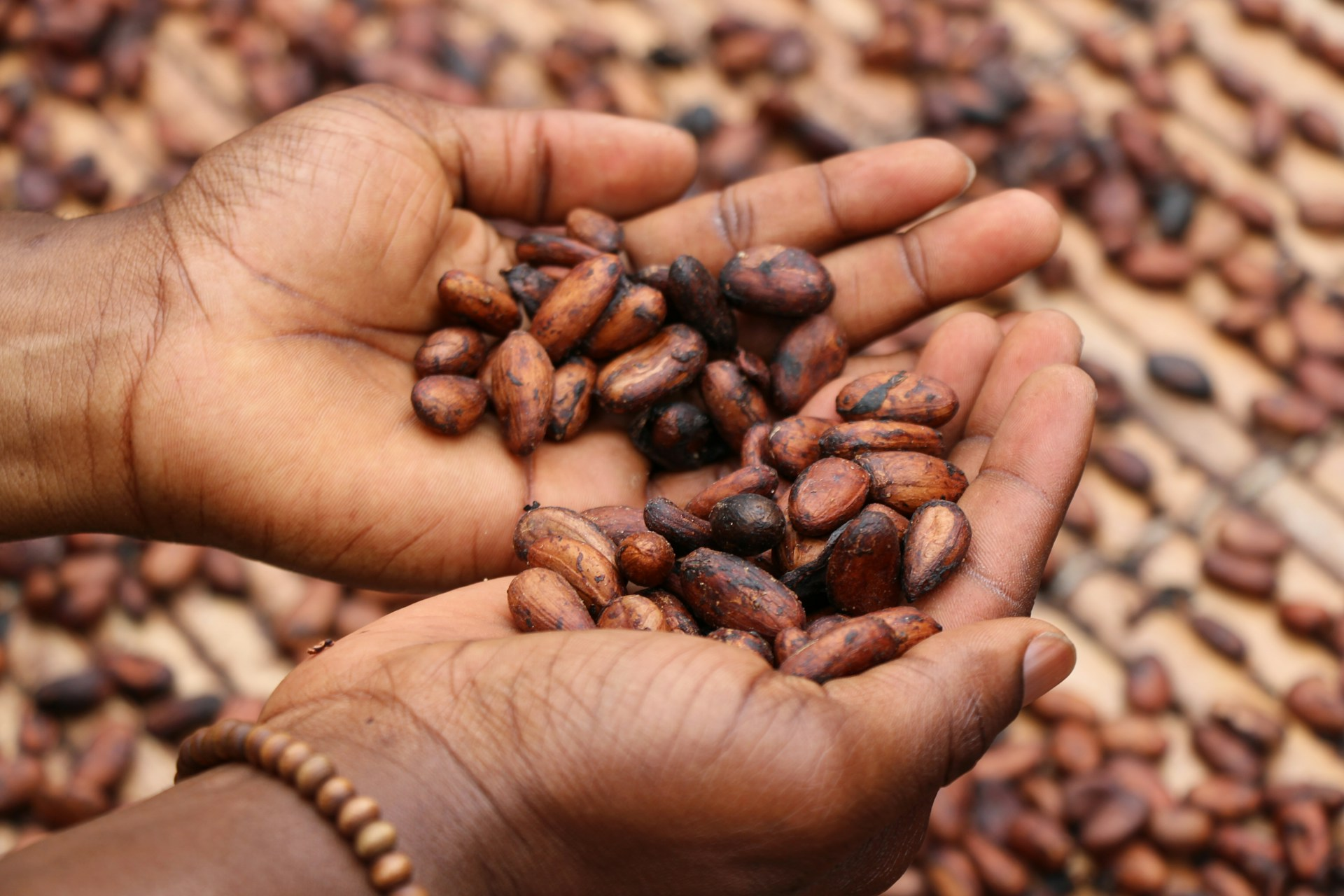
In its 2024/25 FAIR reporting, Tony’s says 32,133 cocoa farmers benefited from its “5 Sourcing Principles,” a 58% increase year-on-year, and that 99.9% of its cocoa is verified deforestation-free. The company’s argument is straightforward: when supply is contracted directly, traceability is engineered in, and farmer pricing is treated as a long-term input rather than a spot-market variable, the business can keep product moving even when the upstream market is under pressure.
That approach shows up in operating metrics the company publishes on its impact reporting. Tony’s says it sold 13,347,031 kg of chocolate in the last financial year, and notes that its directly connected farmer base and seasonal procurement model are designed to expand coverage as volumes rise. For an industry still grappling with structural issues in West African cocoa supply chains, the emphasis on measurable throughput matters because it links impact claims to the mechanics of procurement and manufacturing: bean volumes, verified origin, and repeatable specifications.
The FAIR reporting also underlines how Tony’s is using data to make traceability functional at scale. The company describes traceable procurement of cocoa beans used in cocoa mass and cocoa butter, tying that to its wider “Open Chain” model, under which other brands can source via Tony’s systems. For food manufacturers that have had to respond to tightening due diligence expectations and incoming deforestation-linked scrutiny, the signal is that verification is being treated as a supply-chain requirement rather than a marketing line item.
None of this removes the central commercial constraint: cocoa remains an unusually concentrated commodity, and shocks land quickly on processors and brand owners. Tony’s has responded in the same universe as the rest of the sector — managing pricing and portfolio architecture — but it is arguing that relationship-based sourcing reduces the operational fragility that comes from short-term procurement. In practice, that means fewer surprises on quality, fewer blind spots on origin, and a clearer line of sight on the farm-level interventions that keep cocoa flowing.
For the wider confectionery market, the question is less whether every brand can replicate Tony’s model in full, and more which parts of it are transferable: direct contracting where feasible, clearer origin labelling and traceability data, and a willingness to treat farmgate economics as part of long-term supply assurance. In a category built on a high-risk agricultural input, the companies that can keep specification stable while others are forced into reformulation will likely keep share — and keep retailer conversations simpler.