IN Brief:
- LEIBINGER is using interpack 2026 to position coding and marking around uptime, lower maintenance, and 2D code readiness.
- The focus is on CIJ hardware, ink performance, and digital fleet tools designed to hold print quality and line stability under tougher packaging requirements.
- The wider backdrop is GS1 Sunrise 2027, which is pushing packaging operations toward richer on-pack data and more demanding print verification.
LEIBINGER is set to use interpack 2026 to push a line-efficiency message that lands squarely in food and beverage packaging, where coding systems are being asked to do more with less interruption. The company will exhibit in Düsseldorf from 7 to 13 May, with a pitch built around dependable day-to-day print performance, lower service demand, and readiness for the shift from traditional 1D barcodes to GS1 2D codes.
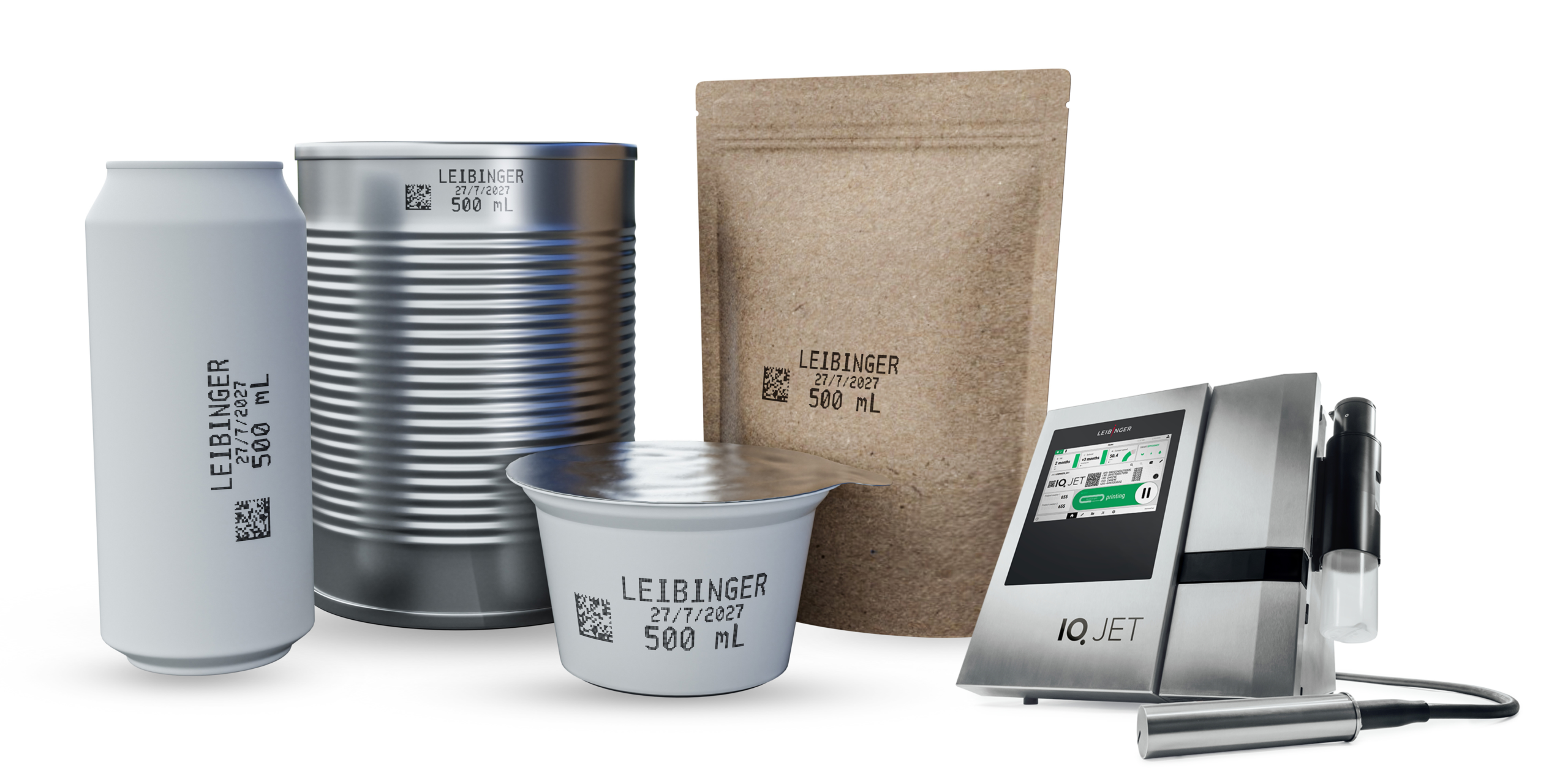
That shift is now changing the technical conversation around coding and marking. DataMatrix and other 2D formats can carry far more information in a smaller space, but they also raise the bar for contrast, edge definition, adhesion, and consistency across different substrates. On fast packaging lines, those requirements move coding away from being a simple end-of-line add-on and closer to a process-control issue, particularly where variable data and future digital product passport requirements are starting to shape pack design.
LEIBINGER’s interpack presentation centres on its continuous inkjet platform, including the automatic nozzle sealing approach that is designed to prevent ink drying during stoppages and allow immediate restart without routine cleaning. The company is also putting emphasis on the hydraulic design behind its printers, where continuous circulation, pressure control, and intermittent pump operation are intended to reduce wear and hold viscosity more consistently over longer runs. For food plants working across variable shift patterns, wet washdown areas, and frequent stop-start production, that combination is being presented as a route to fewer interventions and steadier print quality.
Ink matching is a second part of the story. LEIBINGER says it now offers around 70 inks and is continuing to expand the range, with the argument that reliable 2D code printing depends as much on substrate fit and contrast as on printer hardware. That matters across food packaging formats where film, fibre, coated board, plastic, and cold-chain conditions can all affect legibility and scan performance. The company is also highlighting enclosure options up to IP66, alongside accessories such as air drying and printhead ventilation, to support more difficult production environments.
Digital workflow is the third theme. At the show, visitors will be able to test the company’s PrintDesigner software and its fleet-management platform, which brings print-job setup and printer visibility into the same operating picture. In practice, that points to a more connected coding function, where template control, printer status, and print-quality assurance increasingly sit inside wider packaging-line management rather than outside it.
LEIBINGER will exhibit in Hall 8B, Booth D26 at interpack. Visitors can book an appointment here.