IN Brief:
- Mondi will appear across 15 OEM partner stands at Interpack 2026 with food and beverage packaging applications.
- Demonstrations will cover paper, plastic, coated-barrier, and corrugated formats on working machinery.
- Packaging suppliers are under growing pressure to show how new formats run at production speed, not only how they test in development.
Mondi will use Interpack 2026 to demonstrate food and beverage packaging on live OEM machinery across 15 partner stands, giving processors and packers a closer look at how different materials perform in real operating conditions. The programme spans paper, plastic, coated-barrier, and corrugated applications across a range of food and beverage formats, including coffee, dried foods, pet food, and secondary or transport packaging.
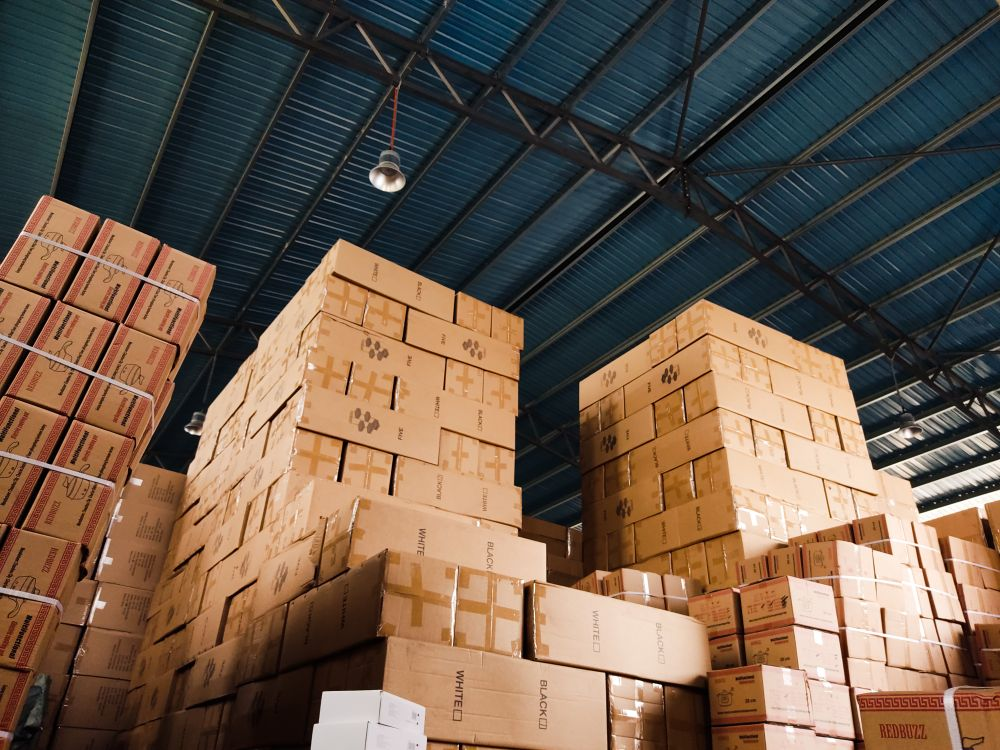
The company’s show presence is spread across multiple equipment suppliers rather than built around a single static stand. That gives visitors the chance to see how materials behave on different machine types, from form-fill-seal and pouch systems through to bundling and end-of-line equipment. One of the more visible demonstrations will be with Hugo Beck, where Mondi’s Ad/Vantage StretchWrap paper is due to run on a kraft paper bundling system for secondary and transit packaging applications.
The shift reflects how packaging development is now judged inside food plants. Material reduction, recyclability, and simplified structures remain central, but none of those targets survive for long if a format cannot seal consistently, hold product securely, or run at commercial speed. For food manufacturers working with tight production windows, narrow margin structures, and increasingly varied pack portfolios, machine compatibility has become as important as substrate innovation.
That is especially true in categories where shelf life, moisture control, puncture resistance, and presentation still place significant demands on the pack. Coffee, dry ingredients, snacks, and other ambient foods may all be moving toward lighter or more recyclable formats, but the route is rarely uniform. Paper can gain ground in selected secondary and transport uses, while coated papers, mono-material films, or more conventional flexible packs remain necessary elsewhere. The practical decision often rests on how the pack behaves in production rather than how it appears in a development brief.
Interpack has long been the venue where packaging, machinery, and factory operations come together, and this year’s approach underlines how closely those disciplines now overlap. A material supplier can no longer rely on performance claims made in isolation from the line. Food manufacturers want evidence on sealing windows, forming behaviour, throughput, and changeover effects before committing to a broader switch. They also want to know whether a new format can work with existing assets or demands a wider capital programme.
Mondi’s strategy fits that mood. By placing packaging on partner equipment, the company is effectively moving the discussion onto factory terms: runnability, productivity, pack quality, and operational fit. That does not settle every packaging decision, but it does bring the conversation much closer to the point where procurement, engineering, and production teams have to make one.
Food manufacturers heading to Interpack will be looking for more than attractive materials and sustainability claims. They will be looking for packaging that can hold up under pressure, on the line, and at scale. That is where this year’s strongest packaging stories are likely to be judged.