IN Brief:
- Boparan Private Office has completed its acquisition of German turkey processor Heidemark following European Commission approval.
- Heidemark will become part of Storteboom Food Group’s European division, adding five sites and around 2,300 employees.
- The deal strengthens European poultry processing capacity as automation, welfare standards, and supply resilience reshape the protein market.
Heidemark has formally moved into Boparan Private Office’s European poultry platform after the European Commission cleared the acquisition of the German turkey processor.
The Ahlhorn-based business will sit within Storteboom Food Group’s European division, bringing one of Germany’s established turkey processors into a wider poultry operation already active across the Netherlands, Germany, Poland, and the UK. Heidemark employs around 2,300 people across five sites and has built its business around turkey production, further processing, welfare programmes, and long-term retail and foodservice supply.
With the transaction complete, Boparan gains a stronger continental platform in turkey while Storteboom broadens a poultry base historically weighted toward chicken. Heidemark will remain an independent German business unit based in Ahlhorn, giving the group an expanded network without immediately folding the operation into a single centralised structure.
European poultry processors are having to manage growth with a much narrower margin for operational weakness. Feed costs, labour availability, avian influenza risk, retailer specification, and welfare standards have all raised the cost and complexity of running protein plants. Larger networks can help spread investment and commercial risk, but only where procurement, processing, cold storage, and quality systems are integrated well enough to support the scale.
Turkey processing brings its own technical demands. Bird size, yield control, portioning, chilled handling, and further-processing flexibility can make the category more complex than headline volume suggests. Retailers and foodservice customers increasingly want predictable formats, tighter specifications, and stronger documentation around welfare and origin, while processors still need to maintain throughput and reduce giveaway.
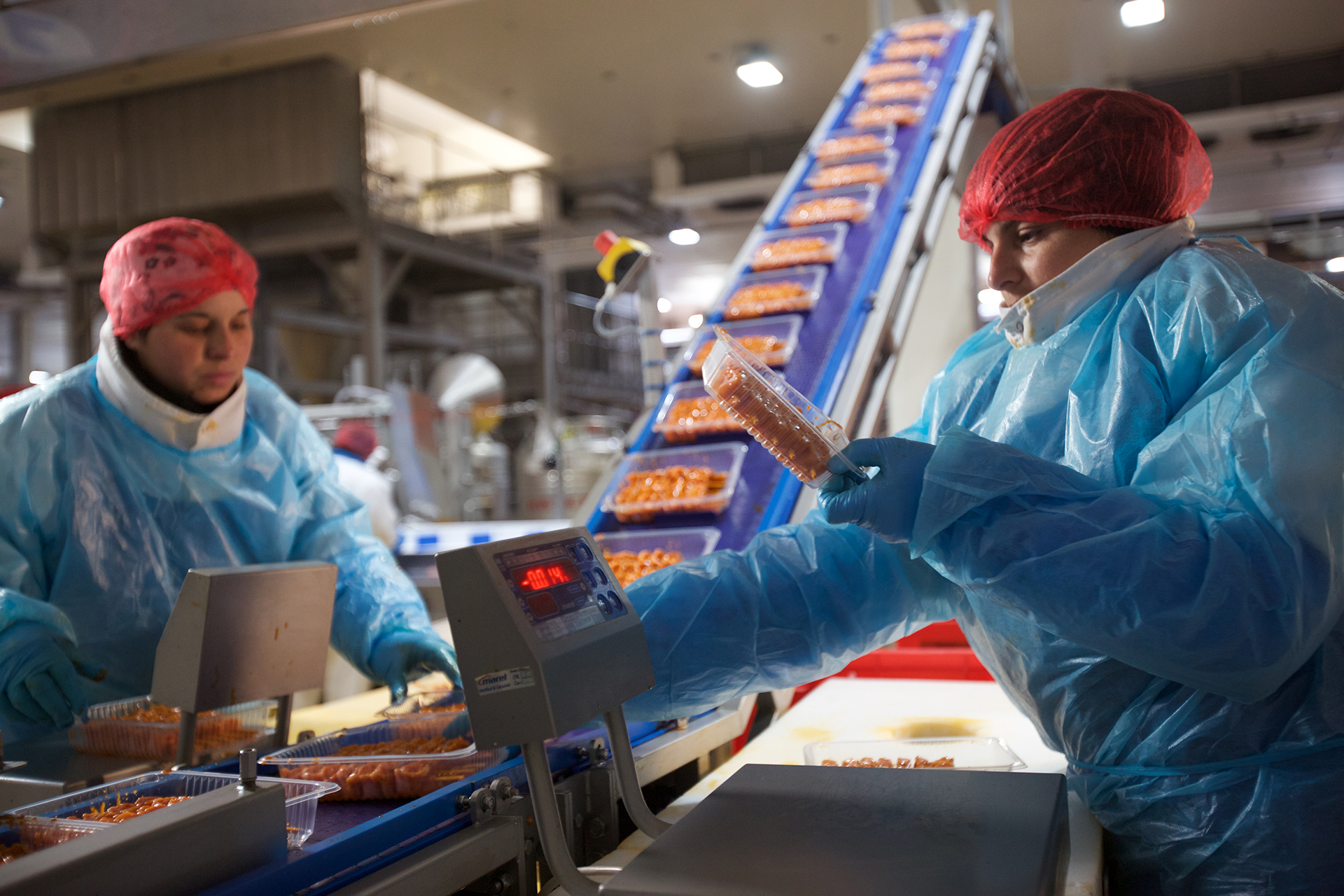
Automation is becoming central to that equation. Deboning, grading, packing, inspection, and intralogistics are all areas where manufacturers can reduce variability and make better use of skilled labour, particularly in plants where manual handling remains intensive. The same direction is visible in Mettler-Toledo’s Eagle x-ray line for European meat and poultry processors, where inspection is being positioned around quality control as well as contamination detection.
Heidemark’s five-site footprint also gives Storteboom more room to manage product mix across raw, chilled, and processed turkey formats. That flexibility is likely to become more valuable as customers look for protein options that can move through ready meal, convenience, foodservice, and retail channels without separate supply chains for every format.
For Boparan, the acquisition adds European depth to a poultry strategy built around scale, operational control, and category breadth. The work now moves from transaction approval to plant performance, where the value of the deal will be measured in yield, service, welfare delivery, and the ability to invest without adding avoidable complexity.