IN Brief:
- Ucima data puts Italian packaging and processing machinery revenue at €10.46bn in 2025.
- Food and beverage accounted for 55.4% of total sector sales.
- Primary packaging, form fill seal, dosing, palletising, and case-packing systems all remain central to food industry demand.
Ucima has reported that Italy’s packaging and processing machinery industry reached €10.46bn in revenue in 2025, with food and beverage applications again forming the sector’s largest customer base.
The figures show revenue rising 4% year on year, supported by exports, a stronger domestic market, and continued demand from food, beverage, pharmaceutical, and consumer goods manufacturers. The national statistical survey covered 629 companies employing 40,611 people.
Exports remained central to the sector, reaching €8.19bn and accounting for 78.3% of total revenue. The European Union was the largest destination for Italian packaging technologies, generating €2.4bn of export sales and taking 36.8% of the export total. Asia, North America, non-EU Europe, South America, Africa, and Oceania also remained major markets.
Domestic sales in Italy grew faster, rising 9.9% to €2.27bn. Demand was driven particularly by the food and pharmaceutical sectors, both of which recorded growth of more than 15% on the home market. Food and beverage together accounted for 55.4% of overall machinery sales, with food applications generating €3.26bn and beverage applications contributing €2.54bn.
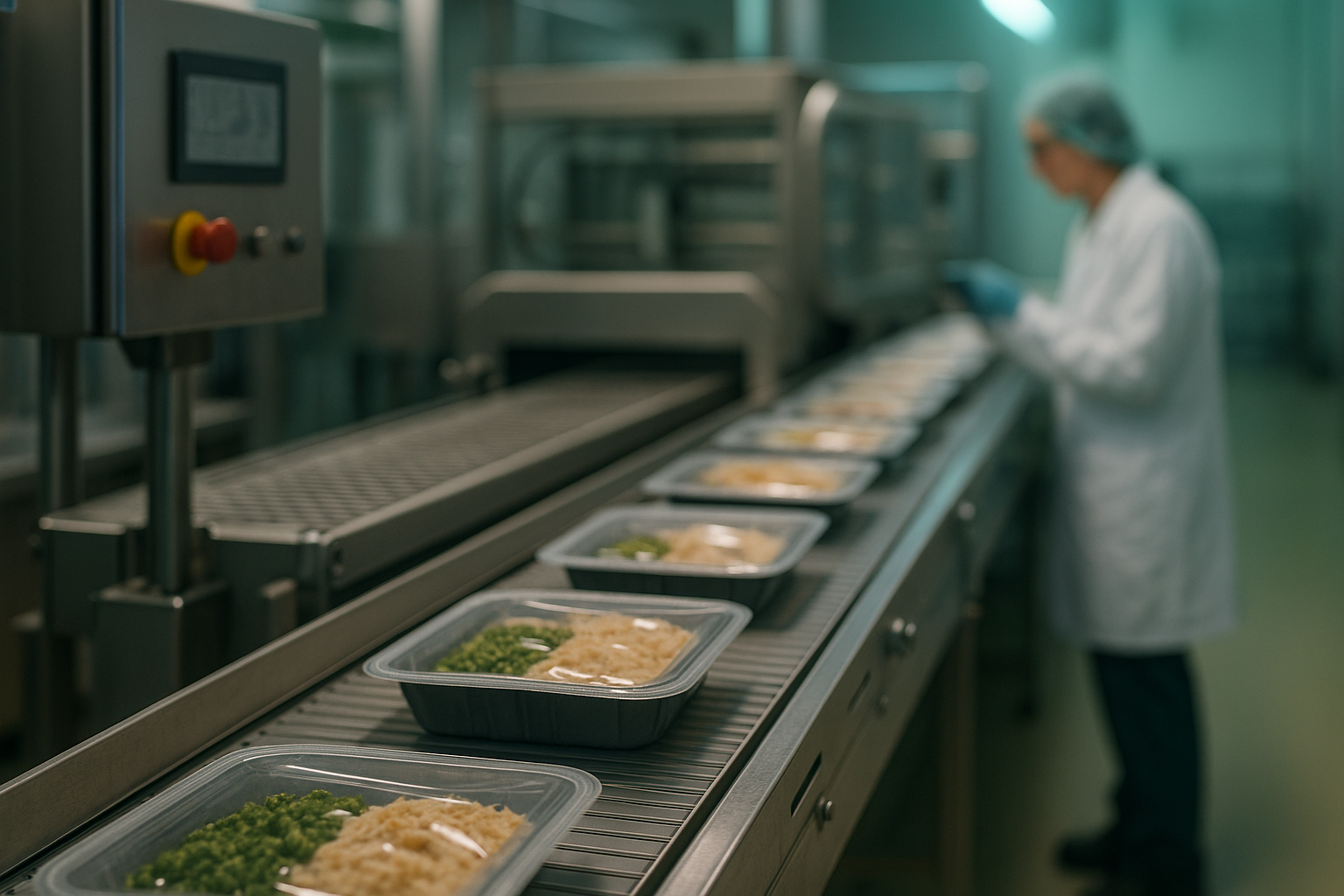
The machine mix shows where investment remains concentrated. Primary packaging equipment accounted for 52.5% of total revenue. Form fill seal machinery generated €2.28bn, while filling and dosing machines contributed €1.88bn. Palletising systems grew 8.1%, and cartoning and case-packing machines increased 7.5%, pointing to sustained demand beyond the primary pack and into secondary packaging and logistics readiness.
The food industry’s automation requirements are becoming broader. Manufacturers are running more SKUs, changing formats more often, managing tighter labour markets, improving traceability, and adjusting to packaging rules without losing throughput. That combination keeps pressure on equipment suppliers to deliver speed, hygiene, flexibility, inspection, robotics, and usable production data.
Italy’s Emilia-Romagna region remains the sector’s industrial centre, with 214 companies generating more than €6.4bn in revenue and employing more than 22,380 people. The concentration gives machinery manufacturers a strong ecosystem across mechanical engineering, components, controls, fabrication, integration, and technical services. Food processors buying from that base are rarely buying a machine in isolation; they are buying support, engineering knowledge, spare parts, line integration, and process experience.
Factory performance increasingly depends on the connection between processing, packaging, inspection, and the end of the line. Holderhof’s fruit processing investment in SMI case-packing and palletising systems illustrates the same pressure at plant level, where upstream capacity can be constrained if bottles, jars, trays, cases, and pallets are not handled with the same consistency as filling and processing.
Packaging supply also affects equipment strategy. Invo Metal’s UK launch through the Falco Packaging acquisition shows how container availability, approved linings, printing, and European manufacturing depth are being tied more closely to food and industrial packaging continuity. Equipment investment and packaging supply are therefore moving together, especially where material changes affect sealing, forming, handling, decoration, and line speed.
Regulation is adding another layer of complexity. Recyclable films, paper based formats, thinner materials, mono-material structures, and recycled content packaging can all affect forming, sealing, cutting, stiffness, strength, and pallet stability. A material that satisfies a procurement or sustainability target still has to run. Machinery suppliers that can support trials, quick changeover, inspection, format handling, and control integration are becoming more valuable as packaging decisions carry greater compliance risk.
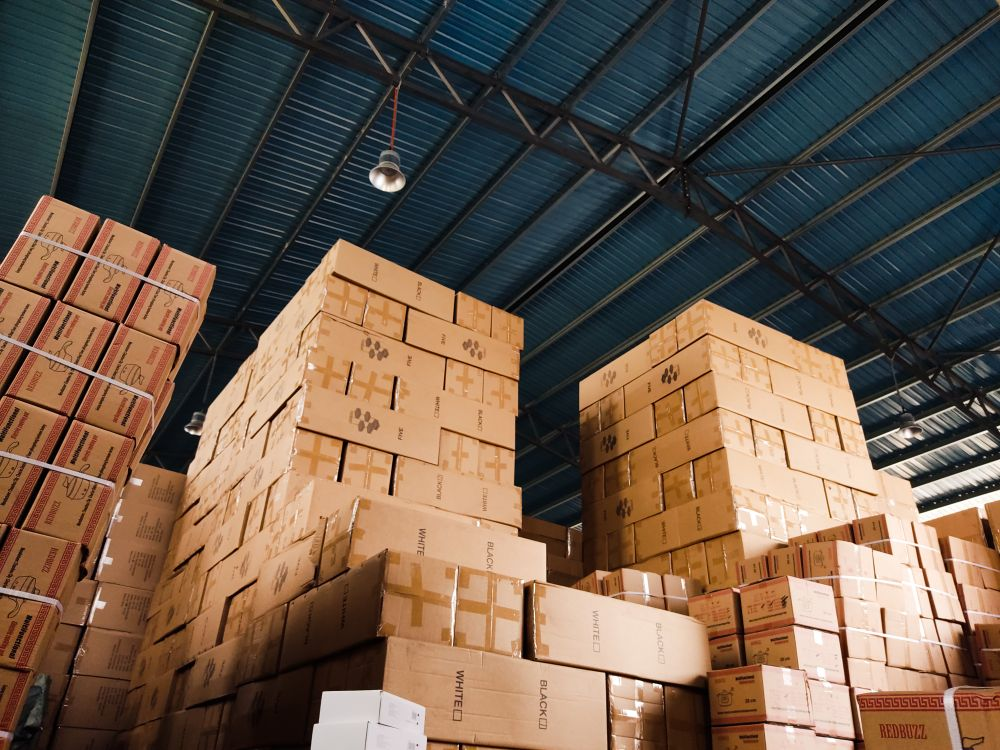
End of line growth reflects a similar shift. Palletising, case packing, labelling, and materials handling systems are being redesigned around warehouse automation, retailer specifications, transport stability, and labour availability. In chilled, bakery, snacks, beverage, and ambient foods, the final metres of the line often determine whether output leaves the factory efficiently.
The Ucima figures confirm that food and beverage remain central to Europe’s packaging machinery economics. Growth in Italian equipment supply is not only a national manufacturing indicator. It reflects the continuing need for production systems that can absorb more product variety, more packaging change, and more regulatory evidence without sacrificing the throughput food factories still need.