IN Brief:
- The Etobicoke facility can process up to 750,000lb of fresh produce annually.
- Production will combine rescued surplus with purchased Canadian produce for school-food programmes.
- First production is expected later in September, with prepared fruit and vegetables planned for 28,000 students.
Second Harvest has opened a food-processing facility at its Etobicoke warehouse in Toronto, adding manufacturing capacity to an organisation better known for recovering and redistributing surplus food. The site will process fresh produce for school-food programmes while also converting suitable rescued food that cannot easily be redistributed in its original form.
The operation is built around a social-enterprise model. Second Harvest will buy produce from Canadian farms and other suppliers to manufacture prepared food for schools, with revenue reinvested into its charitable work. Rescued surplus can also be processed into products for community organisations instead of being discarded because of format, condition or short remaining shelf life.
First production runs are expected later in September. Second Harvest says the facility can process up to 750,000lb of fresh produce annually and will supply prepared fruit and vegetables for 28,000 students through the Toronto Foundation for Student Success from this autumn.
The project converts a redistribution problem into a processing operation. Food-rescue networks work most efficiently when surplus arrives in a form that can be transferred directly to another user. Fresh produce is more difficult because large volumes can arrive at once, products may be cosmetically imperfect or packed in unsuitable formats, and usable shelf life continues to shorten while onward distribution is arranged.
Processing creates another route. Washing, trimming, cutting, portioning and packing can turn bulk or inconsistent produce into a format that schools and community programmes can use more predictably. It can also recover value from ingredients that would otherwise be difficult to redistribute, although every extra processing step adds labour, energy, packaging and food-safety requirements.
The facility therefore has to operate with the controls expected from a food manufacturer rather than a redistribution warehouse. Incoming produce needs checks and traceability, preparation areas and equipment require cleaning and sanitation, and finished products need defined specifications, storage conditions, labels and dispatch procedures. The social purpose of the operation does not reduce those production requirements.
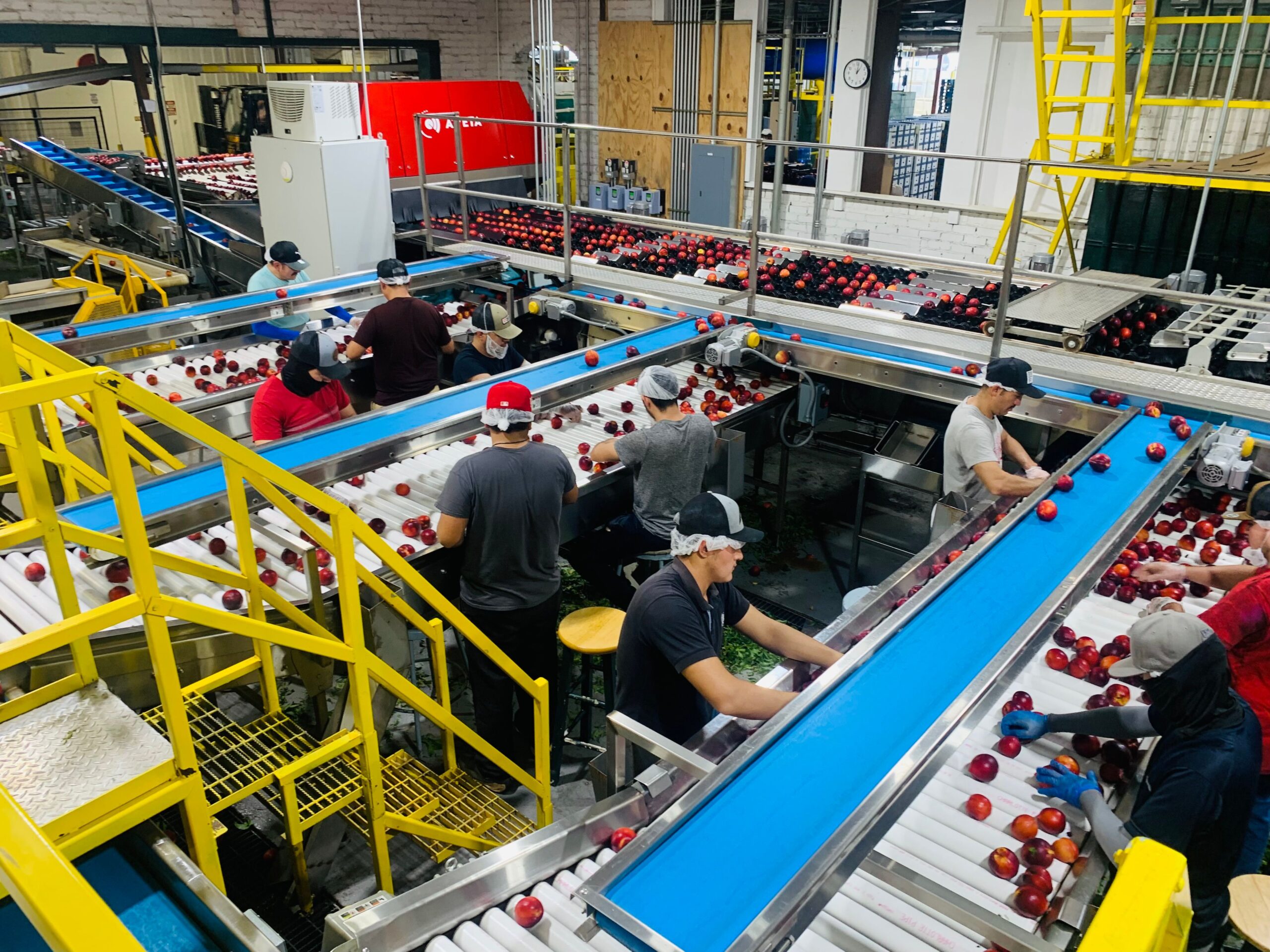
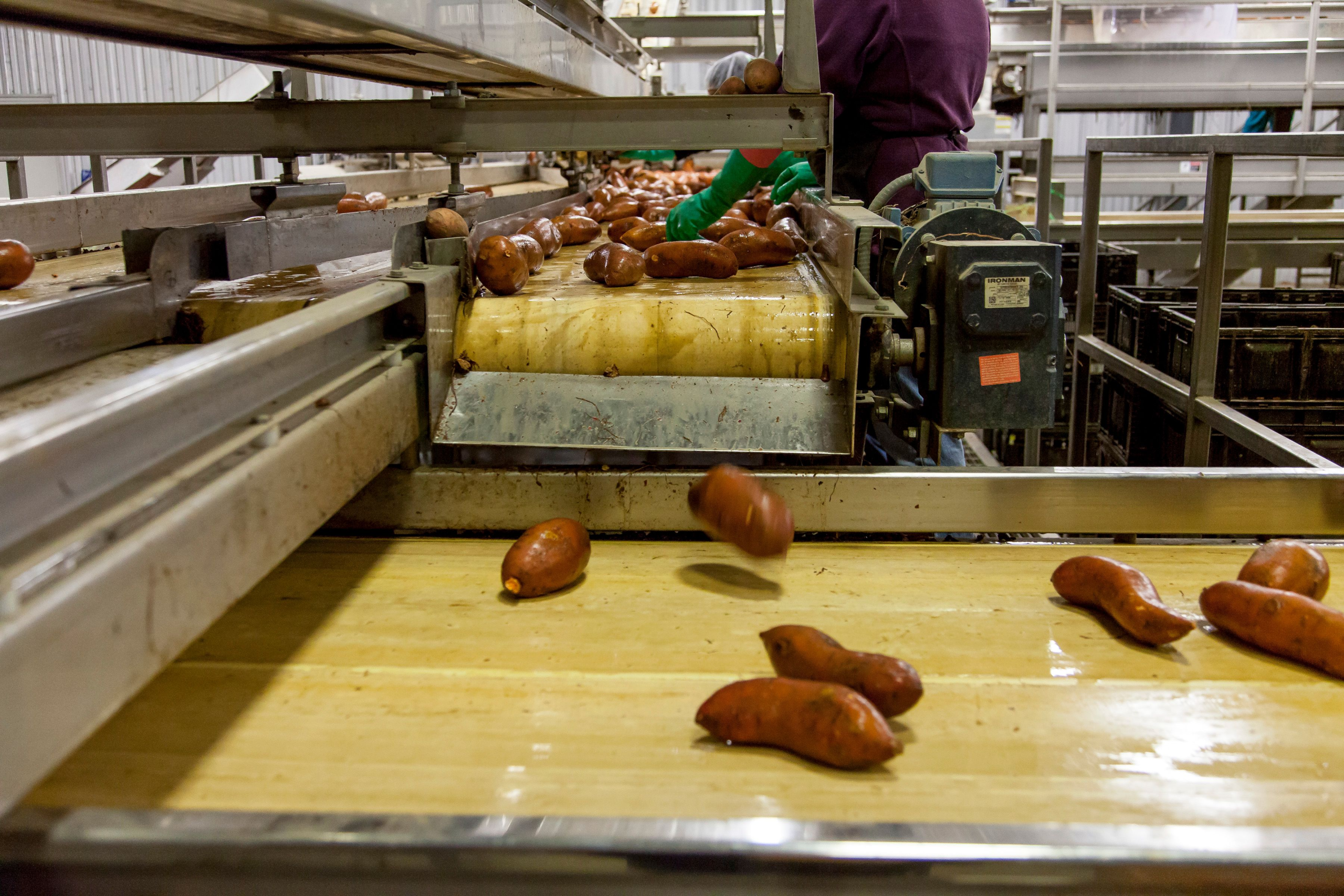
Second Harvest has supplied media showing dedicated processing equipment and fresh produce being prepared at the Etobicoke site. The organisation has not published a full equipment list, line speed or capital value, so the most useful measure of scale is its stated annual processing capacity rather than assumptions about the size of individual lines.
The social-enterprise model also changes the raw-material mix. Rescued food remains one input, but products for school programmes can be made from produce purchased directly from farms and suppliers. That should provide a more predictable base for planned production than donations alone while generating revenue to support the wider food-rescue network.
Those two input streams will require different planning. Purchased crops can be contracted against school demand and production schedules, whereas rescued produce is inherently variable in volume, variety and timing. The facility will need enough labour, cold storage and line flexibility to handle opportunistic surplus without disrupting products already committed to institutional customers.
That is a familiar manufacturing problem with an unusual objective. Conventional processors balance forecast demand against variable agricultural supply to protect service levels and plant utilisation. Second Harvest has to do the same while also maximising the amount of surplus that can be recovered before it loses usable shelf life.
School-food demand could provide a useful anchor for production because volumes are comparatively predictable during term time and prepared fruit and vegetable formats can be standardised. Seasonality remains a complication. Canadian crop availability, school calendars and the timing of surplus food will not always align, so sourcing and production planning will determine how effectively the facility uses its annual capacity.
The organisation has linked the launch to a wider Canadian policy focus on domestic food processing, school food and food-system resilience. That context may help expand demand for locally prepared products, but the facility will still be judged by ordinary manufacturing measures: throughput, yield, food safety, cost, service levels and the consistency of finished products.
Up to 750,000lb a year is modest beside a large commercial produce processor, but it is significant for an organisation moving from redistribution into manufacturing. The move creates additional operating complexity because Second Harvest now has to manage production planning, food-safety systems and customer specifications alongside its established logistics and rescue activities.
The first production runs will show how that model performs in practice. Useful measures will include throughput, yield losses, the proportion of rescued versus purchased produce, utilisation outside the school calendar and the amount of otherwise difficult-to-distribute surplus converted into usable food.
If the facility can balance those requirements, it provides a practical example of food-waste reduction through manufacturing rather than redistribution alone. Its value will depend less on the novelty of the social-enterprise structure than on whether the plant can turn variable incoming produce into safe, consistent products at a cost that supports both school-food contracts and Second Harvest’s wider rescue operation.