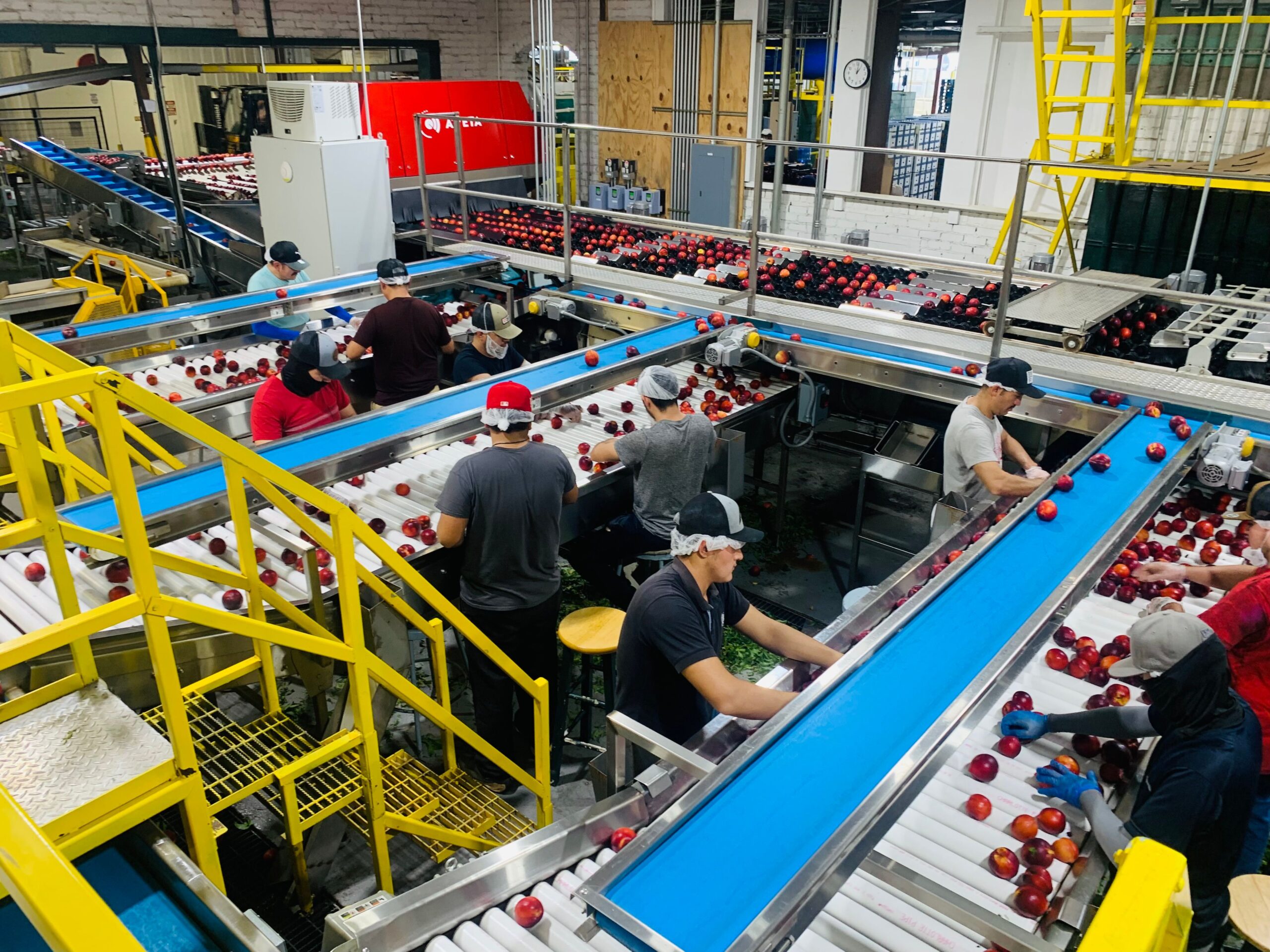
IN Brief:
- South Africa’s Competition Commission is investigating proposed retrenchments at Premier’s Tulbagh fruit-processing operation.
- Premier says the proposed closure reflects structural deterioration in global fruit-canning economics and is independent of its RFG acquisition.
- The plant is not expected to reopen for the coming harvest, with 424 employees affected by the consultation process.
Premier Group is facing Competition Commission scrutiny over its proposed closure of the Fruit Processing Western Cape operation in Tulbagh, after unions challenged whether associated retrenchments comply with conditions attached to Premier’s acquisition of RFG Holdings earlier this year.
The Tulbagh facility is not expected to reopen for the coming fruit-harvest season, subject to the completion of legal and regulatory processes. Premier says a review of the business concluded that structural deterioration in the global fruit-canning market has made continued operation uneconomic. The company has begun a section 189 consultation process affecting 424 employees.
The regulatory question is whether those job losses are connected to the RFG transaction. The Competition Tribunal approved the acquisition on 6 March subject to public-interest conditions, including a three-year restriction on merger-related retrenchments. The Competition Commission is investigating a formal complaint that the proposed Tulbagh redundancies may breach those conditions.
Premier disputes that connection. The group says the proposed closure results from economic problems affecting fruit canning and is independent of the RFG acquisition. It also says it is cooperating with the Commission and providing information requested as part of the investigation. No breach has been established.
The distinction is important because the merger conditions do not prevent every operational retrenchment. Current reporting on the conditions indicates that job losses may proceed where Premier can demonstrate that they are unrelated to the merger. That places the underlying reasons for the plant decision at the centre of the competition-law inquiry.
The site processes fruit for canning and related products, making the timing significant beyond the workforce itself. Fruit processors operate around narrow harvest windows, and growers commit labour, crop management and logistics well before fruit reaches the factory. Removing a major processing outlet shortly before the season can create pressure on alternative buyers, transport and available canning capacity.
The labour process has already become contentious. Unions have asked for more time to examine alternatives to closure, including a sale, recapitalisation or different operating model. Consultation is due to conclude later in September, while the next apricot harvest begins shortly afterwards. Even if another buyer were identified, preparing the facility, securing working capital and arranging crop supply would have to happen quickly.
Premier says the economics of the plant have deteriorated because of weak global demand for canned fruit and wider structural pressure in the sector. Canning plants carry high fixed costs because preparation lines, retorts, boilers, wastewater systems, cold or ambient storage and seasonal labour infrastructure have to be maintained even when throughput falls. Lower export volumes can therefore push unit costs sharply higher.
Those pressures may support Premier’s commercial argument, but they do not settle the merger-condition question. Regulators still have to assess when the closure decision was formed, what information was available during the merger review and whether the proposed retrenchments would have occurred independently of the transaction.
The Tribunal’s approval of the Premier-RFG merger confirms that the transaction was cleared with conditions. The Competition Commission’s current inquiry is examining the application of those conditions to the Tulbagh proposal rather than reopening the entire commercial rationale for the merger at this stage.
The case also illustrates how public-interest conditions can remain operationally significant after a transaction has closed. A buyer may acquire a network containing weaker assets, but commitments made to secure approval can restrict how quickly those assets are restructured. That makes plant-level economics, workforce planning and competition-law compliance part of the same post-merger integration problem.
Earlier IN Food coverage examined the processing-capacity consequences of the proposed Tulbagh shutdown. The current development is narrower and more concrete: Premier has confirmed that it does not plan to reopen the facility for the upcoming harvest, while the Commission is investigating whether the associated retrenchments are compatible with the merger conditions.
Premier has also indicated that the facility is available for potential repurposing to produce alternative products where viable markets can be identified. That creates a possible route short of permanent abandonment, but no replacement production programme or buyer has been announced.
The immediate decisions therefore sit on several tracks at once. The section 189 consultation has to run its course, the Competition Commission has to determine whether the merger conditions have been breached, and growers need clarity on where fruit will be processed during the next season. Delay in any one process increases the difficulty of the others because agricultural supply cannot be paused while corporate and regulatory decisions are resolved.
For Premier, the burden is now to substantiate its position that the plant would have faced closure regardless of the RFG acquisition. For workers and unions, the merger conditions provide a formal basis for challenging the timing and rationale of the retrenchments. The plant’s industrial future will depend on the evidence produced through those processes rather than on either side’s characterisation of the closure.