IN Brief:
- Vion intends to sell its Apeldoorn pig slaughterhouse and transfer its existing production volumes to other Dutch sites.
- The proposal affects around 300 employees, with Vion examining opportunities at locations including Boxtel, Groenlo and Scherpenzeel.
- If the sale proceeds smoothly, Vion expects the production transfer to be completed before the end of 2026.
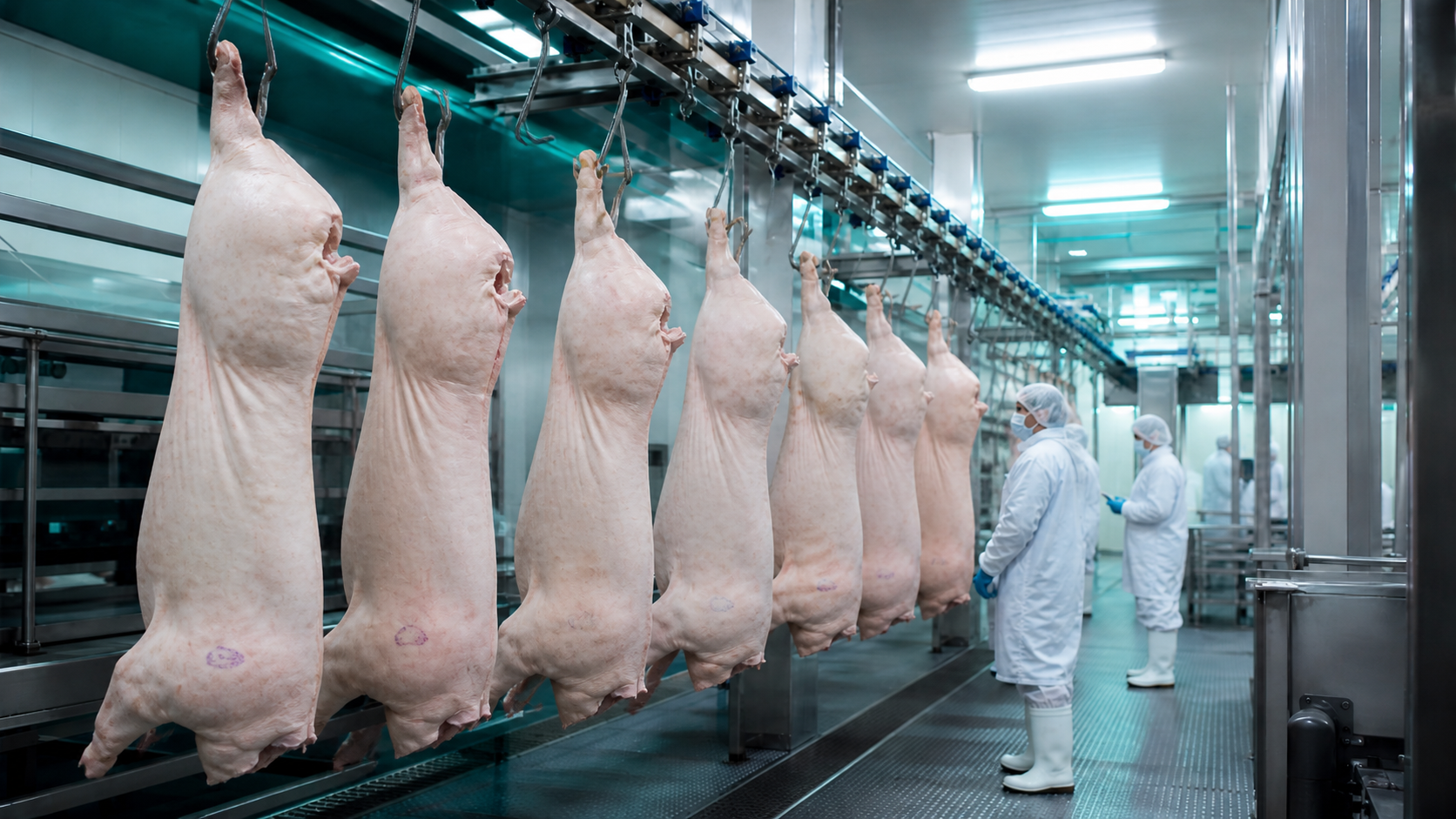
Vion Food Group intends to sell its Apeldoorn pig slaughterhouse and transfer the site’s production to other Vion plants in the Netherlands as the Dutch pig herd continues to contract. If the sale proceeds smoothly, the company expects the production transfer to be completed before the end of 2026.
The proposal affects around 300 employees and follows a gradual reduction in staffing through natural attrition, retirements, the expiry of temporary contracts and lower use of external labour. Vion expects opportunities elsewhere in the group for a substantial number of employees, including at Boxtel, Groenlo and Scherpenzeel, while a social plan will be developed with trade unions.
Behind the workforce changes is a capacity problem created by lower livestock availability. Vion says the current Apeldoorn volumes will remain within its Dutch network, so the move is intended to concentrate existing throughput rather than withdraw from the market. Government measures affecting pig farming are among the factors reducing herd size, leaving more slaughter capacity available than current livestock numbers can support efficiently.
That imbalance matters because a slaughterhouse carries substantial fixed costs before the first animal enters the line. Lairage, slaughter equipment, refrigeration, chilling, hygiene systems, wastewater treatment, utilities and maintenance all have to remain available whether the plant is heavily loaded or operating well below its intended throughput. As livestock numbers fall, fewer animals carry those costs, increasing the cost per head unless working patterns or the manufacturing footprint change.
Redistributing Apeldoorn production should therefore raise utilisation at plants that are already equipped to process pigs, but the transfer cannot be judged on slaughter capacity alone. Receiving sites must also have enough chilling, cutting, packing, cold storage and dispatch capacity to absorb the extra volume without moving the constraint further down the process. Maintenance and cleaning windows must still be protected as utilisation rises, particularly where several downstream stages are already closely matched to existing output.
The same transfer will reshape livestock logistics. Pigs that previously travelled to Apeldoorn will require new delivery routes and intake slots, while receiving plants must absorb those arrivals without compromising animal welfare or creating congestion around unloading and lairage. Longer transport distances can add cost, and denser delivery schedules can increase pressure on facilities that were designed around a different daily intake pattern.
Vion’s aim of preserving continuity for suppliers and customers will consequently depend on how the transfer is sequenced. Production cannot pause while livestock flows, staffing and plant schedules are rearranged, so volume will need to move without destabilising existing operations. Labour redeployment has an operational role here as well as an employment one because higher utilisation elsewhere can increase demand for experienced slaughter, hygiene, maintenance and quality personnel.
Not every employee will be able to move, however, because commuting distance, roles and shift patterns will affect the practical options. Nor has Vion set out how the Apeldoorn volume will be divided between the remaining sites. The industrial logic is nevertheless clear: fewer plants are expected to process the same redistributed volume with less idle capacity across the network.
That efficiency comes with a resilience trade off. Concentrating throughput into fewer sites reduces the cost of maintaining underused assets, but it also increases the operational importance of each remaining plant. Equipment failures, utility interruptions or extended maintenance become harder to absorb when spare capacity is lower, especially where chilling and dispatch are already running close to the slaughter line’s practical output.
Vion has therefore judged that the continuing contraction of the Dutch pig herd outweighs the resilience benefit of retaining Apeldoorn. The result, if the sale proceeds, will be a smaller processing footprint carrying the same transferred production volumes. Whether that delivers the expected benefit will depend on the receiving plants sustaining higher utilisation without weakening food safety, animal welfare, maintenance discipline or customer service.