IN Brief:
- The CMA has accepted final undertakings covering Vandemoortele's completed acquisition of Délifrance.
- Vandemoortele must sell the Worcester laminated dough plant and associated UK sales operation to a suitable purchaser.
- Integration can proceed outside the divestment business while the Worcester operation remains viable for transfer.
Vandemoortele can begin integrating Délifrance after the Competition and Markets Authority accepted final undertakings requiring the group to sell its Worcester laminated dough plant and associated UK sales operation. The acquisition completed at the end of December 2025, but restrictions remained in place while the regulator examined competition in frozen laminated dough supplied to UK retail and foodservice customers.
The remedy covers the Worcester manufacturing facility and the UK sales operation in Staines upon Thames, together with the customer relationships, contracts, employees and other assets needed for a purchaser to compete independently. Vandemoortele must preserve that business until an acquirer acceptable to the CMA takes control, while integration can now proceed across the remainder of Délifrance.
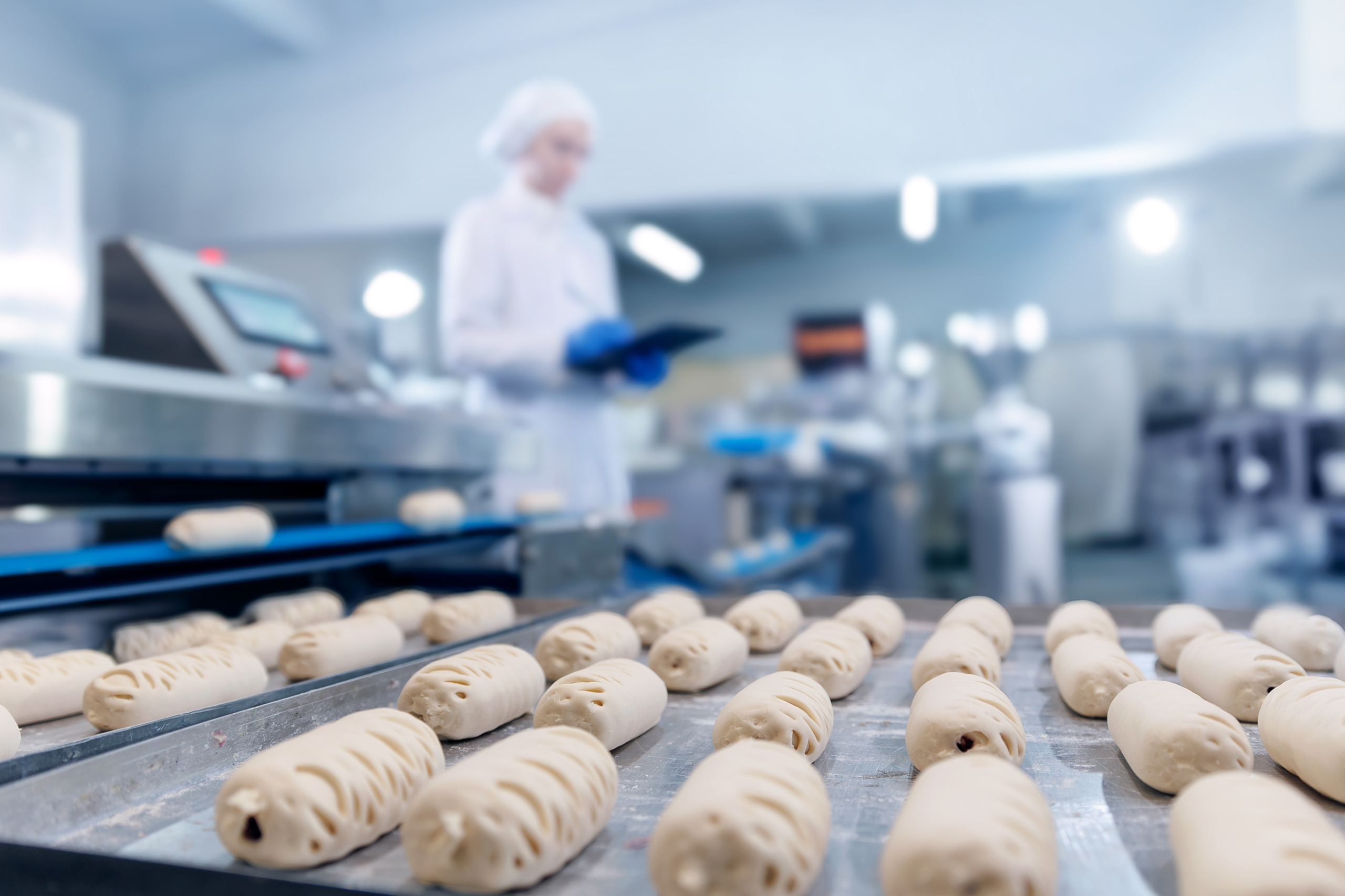
This separation matters because the competition concern was concentrated in frozen laminated dough products such as croissants and pains au chocolat. These are generally manufactured centrally, frozen and supplied to retailers or foodservice operators for proving or baking closer to sale, so competition depends on more than having an available building. A viable supplier needs the processing capability, skilled workforce, customer base and cold chain infrastructure required to manufacture consistently and deliver the frozen product at scale.
The Worcester process itself depends on tightly controlled dough preparation, repeated sheeting and folding, fat distribution and temperature management before freezing. Lamination creates alternating layers of dough and fat that expand during baking; if the dough becomes too warm during manufacture, the fat can soften and migrate between layers, reducing the structure that gives croissants and similar products their lift. Industrial production therefore relies on mechanical repeatability and temperature control from mixing through sheeting, cutting and freezing.
Because of that technical and commercial interdependence, transferring machinery alone would not create an effective competitor. The buyer needs a functioning operation with trained employees, customer specifications, sales relationships and the supporting systems required to maintain production. The Worcester disposal requirement was established in August, and the final undertakings now define how that business must be protected while the wider acquisition is integrated.
Vandemoortele therefore has to run two programmes at the same time. Systems, procurement and management structures can begin to combine across the retained Délifrance operations, but Worcester must remain sufficiently independent that it can be sold without losing its ability to compete. Production plans, customer forecasts, stock, specifications and employees linked to the site need to remain identifiable throughout the transition rather than becoming inseparable from the enlarged group.
Cold chain continuity makes that separation more demanding. Laminated dough has to remain within controlled frozen conditions through storage and distribution so proofing and baking performance remain predictable at the customer’s site. The purchaser consequently needs access not only to the manufacturing line but also to the planning, warehousing and logistics arrangements that keep finished product within specification.
Customer supply adds a further constraint because retailers and foodservice accounts continue to expect agreed products and delivery schedules while the ownership process takes place. Transitional manufacturing, stock and support arrangements may therefore be needed while systems and contracts move to the eventual buyer. Any disruption severe enough to weaken customer confidence could reduce the competitiveness of the business the remedy is intended to preserve.
Capacity utilisation will matter after the transfer as well. A laminated dough plant carries substantial fixed costs through refrigeration, specialist equipment and labour, meaning the purchaser needs enough volume to run Worcester efficiently. Including the associated sales operation in the divestment is intended to preserve the customer base that supports that manufacturing capacity rather than leave a buyer to rebuild commercial demand around an acquired factory.
The CMA will continue overseeing the remedy until an approved purchaser takes control. For Vandemoortele, the immediate operational challenge is therefore to integrate the businesses it is retaining while preventing that process from hollowing out Worcester. The remedy succeeds only if the transferred operation remains capable of producing, selling and distributing frozen laminated dough as an independent competitor after ownership changes.