IN Brief:
- The Turmeric Co. has installed a 104 tonne high pressure processing system at its Chatteris manufacturing site.
- The machine applies pressure of up to 6,000 bar to sealed bottles using cold water rather than thermal pasteurisation.
- Bringing HPP in-house removes an external treatment stage and gives the factory direct control over another part of production.
The Turmeric Co. has brought high pressure processing into its Cambridgeshire factory with a 104 tonne system that applies up to 6,000 bar to sealed drinks. The £3.6 million machine forms part of roughly £5 million invested across the Chatteris manufacturing operation in recent years.
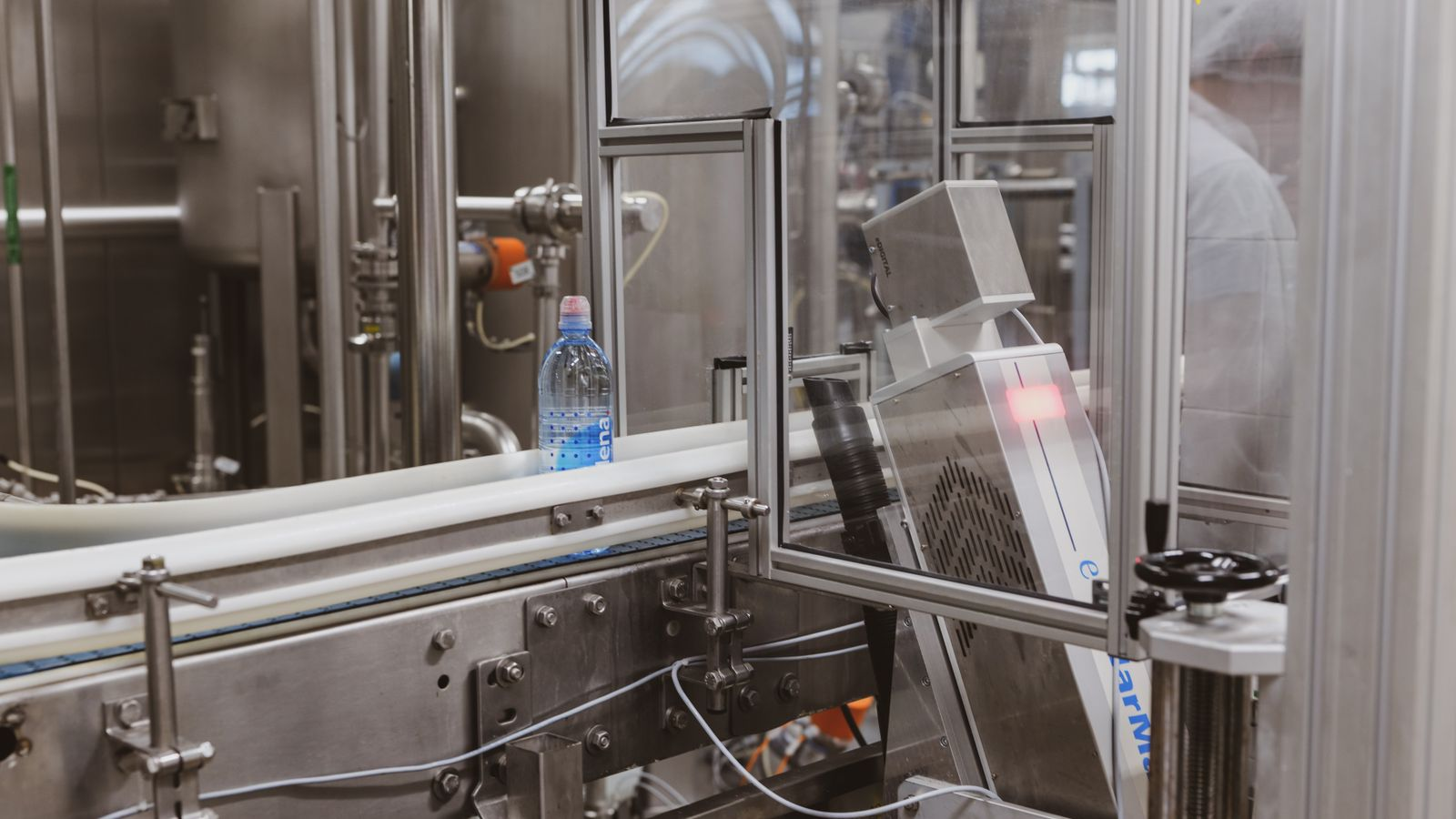
The company had already used HPP for its bottled shots, but treatment previously took place away from the factory. Installing the system at Chatteris removes that external stage and brings ingredient preparation, filling, sealing, preservation and dispatch into one manufacturing operation, reducing the need to move finished bottles between separate processing sites.
High pressure processing preserves chilled food and drink by exposing the sealed product to hydrostatic pressure rather than relying on the elevated temperatures used in conventional thermal pasteurisation. Bottles are loaded into a pressure vessel, the chamber fills with cold water and pressure rises uniformly around the pack, allowing susceptible bacteria, yeasts and moulds to be inactivated while limiting some of the flavour and colour changes associated with heat.
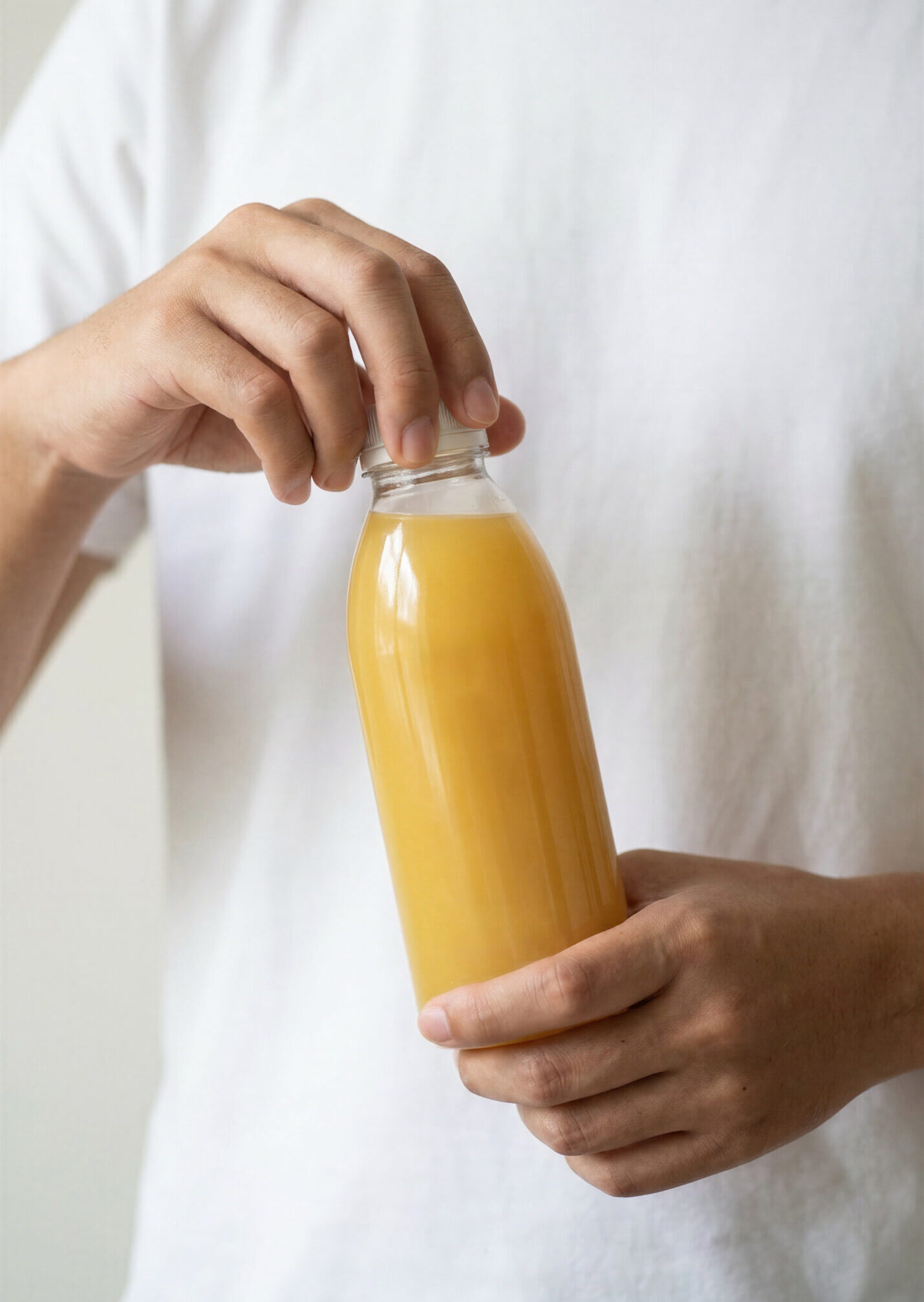
The water surrounds the sealed container rather than entering the drink, so the pressure acts through the package from all directions. That makes pack design an important part of process validation because the container must tolerate compression during the cycle and recover when pressure is released. Flexible plastic bottles can accommodate that movement more readily than rigid or fragile formats, which may crack or deform permanently.
The scale of the Chatteris machine also creates significant engineering requirements around installation. About 300 kilometres of reinforcing wire are wound around the pressure chamber, while the complete system weighs 104 tonnes. Foundations, access and surrounding services therefore had to accommodate a piece of equipment whose mechanical demands are very different from an ordinary filling or packing machine.
Because HPP takes place after filling and sealing, it can reduce the opportunity for contamination between preservation and final packaging. It does not remove the need for clean raw materials, hygienic filling or sanitation, however, because the process is a microbial reduction stage rather than a substitute for upstream control. Effectiveness also depends on pressure, hold time, product composition, initial contamination and the organisms being targeted.
Those variables mean each formulation still requires validation even though the company now owns the pressure system directly. Acidity, solids, viscosity, pack size and intended shelf life can alter the treatment conditions needed to achieve the required microbial reduction. HPP can extend chilled shelf life, but it does not automatically make a drink stable at ambient temperature, so refrigeration remains part of the preservation chain after treatment.
Bringing the machine onto the same site changes production planning as much as microbiology. HPP works in batches rather than as a continuous pipe process, meaning bottles have to be loaded into carriers, moved into the pressure vessel, treated, unloaded and transferred onwards. Filling line output must therefore be balanced against vessel capacity and cycle time so bottles do not accumulate between filling and pressure treatment.
If upstream production runs faster than the HPP system can clear, queues and chilled storage demand increase. The opposite problem is equally costly because a large pressure vessel sitting idle while pressing or filling catches up leaves expensive installed capacity unused. The factory consequently has to coordinate raw material preparation, bottling, carrier loading, treatment and cold storage as one production schedule.
Direct ownership also changes the economics compared with outsourced processing. An external HPP provider can spread capital cost across several customers, whereas The Turmeric Co. now carries the utilisation and maintenance responsibility itself. The return on the £3.6 million machine will therefore depend partly on how consistently the factory can keep it loaded without creating pressure on other stages of production.
Chatteris already handles pressing, bottling and private label manufacture alongside the company’s own functional drinks, so the additional process capability may also support external customers where treatment requirements and available capacity align. That expansion still depends on validated process conditions for each product rather than simply putting different bottles through the same cycle.
The investment gives The Turmeric Co. direct control over one of the most specialised stages in its manufacturing process and removes a transport dependency from the production flow. Its success will be measured less by the maximum 6,000 bar pressure than by whether the factory can integrate batch treatment into daily output, maintain reliable cycle performance and use enough of the 104 tonne system’s capacity to justify bringing HPP under its own roof.