IN Brief:
- Associated British Foods chief executive George Weston called for food factories to receive greater attention in industrial policy.
- The Times attributes a 0.1%-versus-5% funding comparison to an ABF-commissioned PF Global study whose methodology is unavailable.
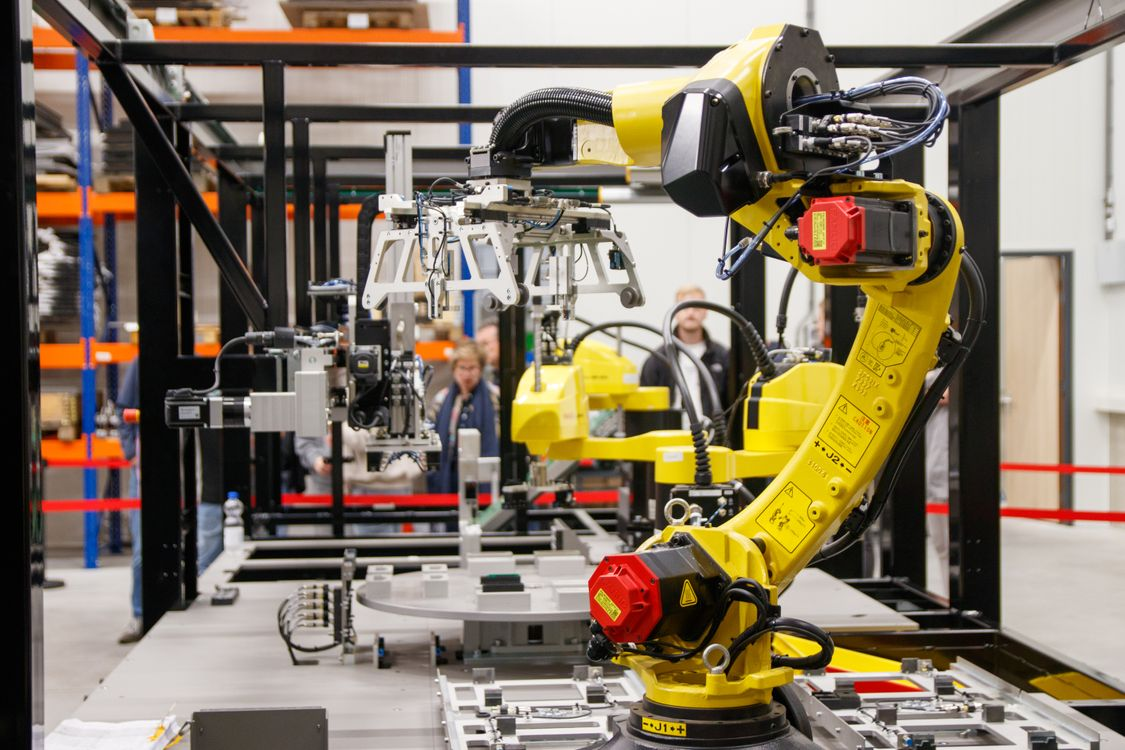
- Separate Food and Drink Federation proposals seek more manufacturing investment and increased adoption of automation and digital technology.
Associated British Foods (ABF) has called for food and drink factories to receive stronger support through UK industrial policy, focusing on energy costs, access to investment and approval processes for plant expansion. Chief executive George Weston set out the case in reporting and commentary published on 19 October. According to The Times, an ABF-commissioned study by PF Global compares the support offered to British food manufacturers with that available elsewhere in the OECD. The original study has not been independently obtained.
The Times reports that the commissioned research places UK food and drink manufacturing at 0.1% of government funding, compared with an OECD average of 5%. Neither the full report nor the definitions behind the two percentages were available for verification. The denominator in each country, the reporting period and the treatment of agriculture, energy relief and industrial grants could materially affect the comparison. The figures therefore describe an attributed finding in the newspaper’s report, not an independently established equivalence between the UK and every country in the benchmark.
Weston’s separate commentary argues that policymakers have overlooked food processing in decisions about energy and industrial competitiveness. ABF operates in ingredients, sugar, grocery manufacturing and related activities, where utility costs and production conditions can differ substantially from those in high-tech manufacturing. A sugar refinery needs dependable process heat, while chilled-food lines depend heavily on refrigeration and uninterrupted electrical supply. These plant-level requirements explain why general industrial policy measures may have unequal effects across production sectors.
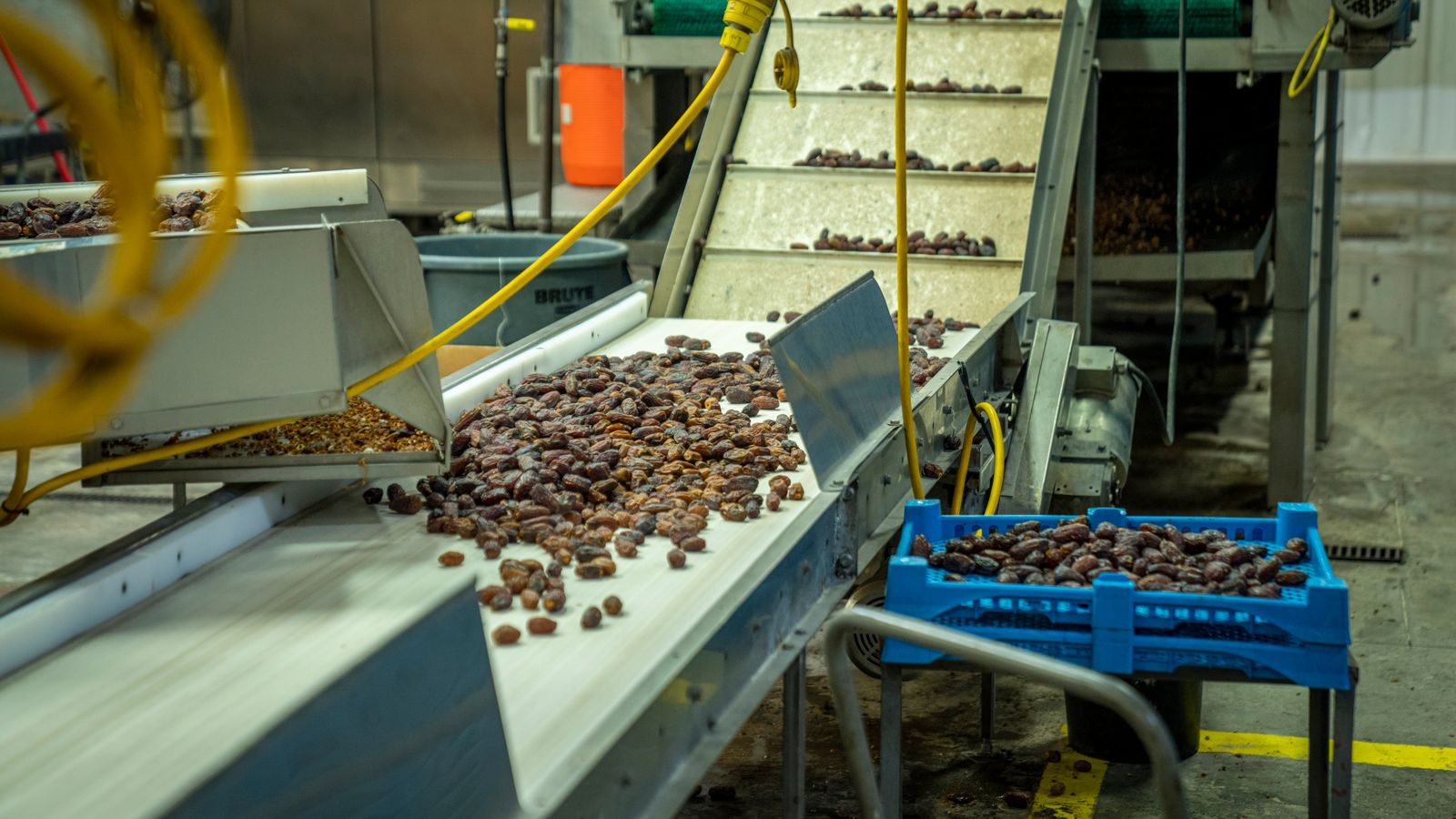
A food factory’s cost structure may combine steam or thermal energy for cooking, pasteurisation or drying; electricity for refrigeration, compressed air, conveying and packaging; and water, effluent treatment and cleaning. Different operations consume these utilities in different proportions. A mill, sugar refinery, frozen-food site and ambient-packaging operation do not face identical energy exposure. That variation is relevant when comparing eligibility for industrial energy relief or setting a policy that claims to cover the manufacturing sector as a whole.
Manufacturing competitiveness also depends on the ability to justify capital investment. A company deciding whether to install more efficient motors, heat recovery, electric boilers or automated handling equipment must consider operating savings alongside installation costs, maintenance demands, site constraints and the expected useful life of the assets. A support scheme that reduces up-front risk can change a project’s investment case, but it cannot establish the engineering merit of a particular technology. Grants, allowances and electricity-price measures therefore have different effects on decisions taken by plant operators.
The Times account says ABF wants food manufacturers to have better access to institutions including the National Wealth Fund and British Business Bank, as well as electricity cost relief, faster factory development decisions and closer government-industry coordination. These are requests rather than newly approved entitlements. The conditions attached to any future programme — eligible activities, company size, funding duration and implementation rules — would determine whether a particular processor could finance new equipment or reduce its exposure to volatile energy prices.
The Food and Drink Federation has separately set out ambitions to double annual sector investment from £5.8bn to £12bn and unlock a possible £14bn in additional economic value through adoption of automation, digital technology and AI. These figures come from the FDF’s existing growth programme and are not results of the ABF-commissioned study. The federation’s plans address investment capacity and productivity; the international funding comparison reported by The Times measures a different proposition and should not be presented as corroborated by FDF estimates.
Many production sites must manage uncertainty beyond the headline price of electricity. Demand shifts can leave lines running below design capacity, while variable raw-material quality affects throughput and waste. Regulatory changes can require new equipment, testing or labelling systems. Decisions on capital-intensive plant are consequently made against several risks at once. Easier access to finance may help fund upgrades, but project delivery still depends on technical design, labour availability, supply of machinery and commissioning time.
Investment decisions also affect the distribution and resilience of production capacity. A processor buying raw materials or packaging from several regions can face disruption in transport, cold storage and ingredient availability even when its own equipment is working reliably. Factory location influences how quickly a manufacturer can replenish supply and how much refrigerated stock it can hold. Stronger policy support could change the economics of future projects, but no evidence establishes that it would automatically prevent closures or eliminate exposure to imported materials.
Policy comparisons also depend on the design of each support programme. A lower electricity tariff can benefit a plant every hour it operates, while a capital grant affects a particular investment and an innovation subsidy may be restricted to research. Those instruments cannot be compared without defining both the eligible manufacturers and the base against which funding is measured. The PF Global methodology remains unavailable, so The Times’ reported percentages cannot be converted into a like-for-like measure of support received by an individual factory.
ABF’s intervention seeks changes to industrial policy rather than announcing a factory investment or a government funding decision. The policy areas named by Weston — energy prices, finance and planning — each have direct consequences for equipment upgrades and manufacturing capacity, but responses from government and the terms of any resulting measures remain to be established. The Times has reported the study’s central figures, while their underlying comparability remains an open question pending publication of the research.