IN Brief:
- PurposeEnergy has commissioned a more than $40m anaerobic treatment facility beside Danone’s Minster yoghurt plant in Ohio.
- The project is designed for up to 250,000 US gallons of high-strength residuals daily, but is still ramping.
- Expected renewable biogas production and emissions reductions are company projections, not measured annual operating results.
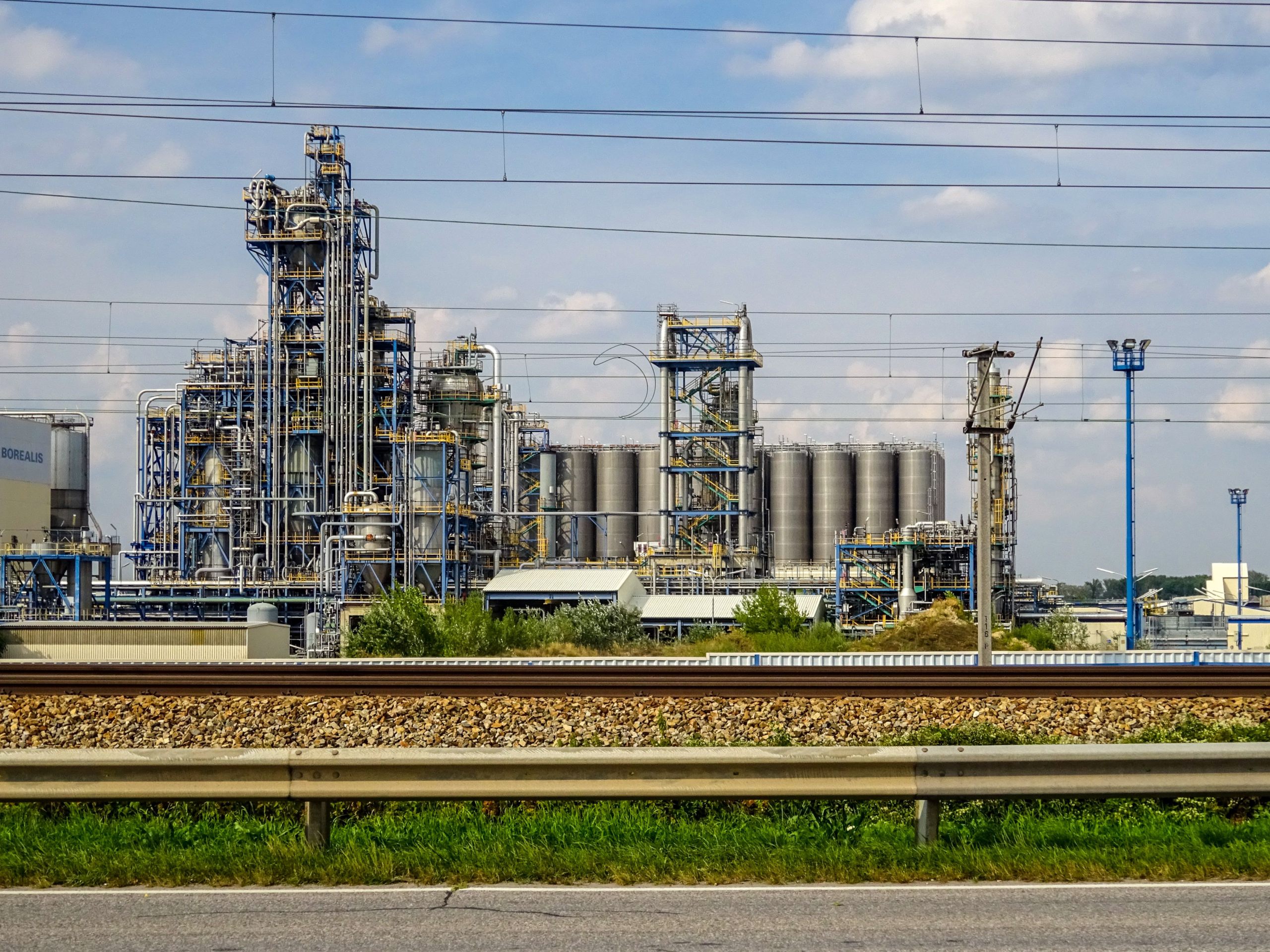
PurposeEnergy has commissioned an industrial anaerobic treatment facility in Minster, Ohio, to receive wastewater and organic food residuals from Danone USA’s nearby yoghurt factory. Announced on 19 October, the project represents an investment of more than $40m and is operational but still ramping towards its designed capacity. The plant is specified to process up to 250,000 US gallons of high-strength wastewater and food-production residues daily; no sustained operating figures at that rate have been disclosed.
Danone’s Minster factory pipes residual streams directly to the PurposeEnergy installation on Columbia Drive in the Route 66 Industrial Park. The facility is also designed to receive specified organic streams from other food and beverage businesses in the region, creating a shared treatment outlet alongside the village’s existing wastewater infrastructure. It is PurposeEnergy’s first project with Danone. The directly connected pipework reduces the need to transport some wet residuals away from the factory, although the volumes transferred through the new installation have not been independently quantified.
In the anaerobic process, microorganisms break down biodegradable organic material without oxygen and release a gas containing methane that can be captured and used as fuel. Residuals from yoghurt production may contain carbohydrates, protein and fats alongside water, so hydraulic throughput alone does not indicate how much organic material the system must treat. Digester performance depends on the concentration and consistency of incoming streams, their residence time and stable biological conditions. The 250,000-gallon figure describes the facility’s rated daily capacity rather than a measurement of its current load.
Once the site reaches its planned operating level, PurposeEnergy expects approximately 50,000 MMBtu of biogas annually. The gas is supplied to a dedicated boiler at Danone’s factory to replace some conventional natural gas used for process heat, not to feed a newly announced power-generation plant. Using standard US combustion factors, the company estimates an annual saving of roughly 3,200 US tons of carbon dioxide equivalent from that fuel substitution. The estimate is prospective and tied to expected output, rather than an audited reduction already achieved by the commissioned equipment.
Water leaving the industrial pretreatment facility is intended to meet the village’s discharge requirements before entering Minster’s municipal wastewater works. PurposeEnergy says surplus nutrients and dissolved solids are reduced and recovered material can provide nutrient-rich soil amendments. The industrial process therefore complements, rather than replaces, municipal wastewater treatment. Its effectiveness will need to be judged against incoming organic loading, discharged-water quality, the consistency of biological treatment and the handling of solids recovered during operation.
PurposeEnergy calculates a second potential emissions reduction of about 720 US tons of carbon dioxide equivalent annually from avoiding previous road transport of Danone residuals. That calculation has a different baseline from the approximately 3,200 US tons attributed to displaced boiler gas. Combining the two as though both were metered operating savings would misrepresent their evidential status. The assumptions depend on the transport arrangements, materials handled and production volumes; separate measurements of those variables would be needed to establish the realised effect over a complete year.
Food production schedules can produce sizeable swings in both wastewater flow and organic concentration as factories change products, perform cleaning and vary throughput. Treatment equipment must accommodate those variations while keeping digester biology and downstream discharge within operating limits. Danone and PurposeEnergy expect the connected facility to support growth at the yoghurt plant, but the announcement gives no incremental yoghurt-production capacity attributable to the new treatment installation. The industrial benefit under examination is a dedicated residuals and heat-recovery route alongside an existing factory, rather than a new food-processing line.
Under PurposeEnergy’s business model, the specialist operator finances, builds, owns and operates the digestion facility while its manufacturing customer supplies residual material and takes the resulting fuel. That allocation of responsibilities can separate wastewater-process expertise from yoghurt production, but it also creates a long-term operational interface. Production planners need dependable arrangements for residual acceptance, boiler fuel changeover, planned maintenance and interruptions. The company has not said that biogas will cover all thermal demand at Danone or that the factory can operate without conventional standby fuel.
A formal opening is planned for spring 2027, after the present operating ramp-up. At full production, the clearest performance indicators will be actual organic loading, daily treated-water volumes, effluent quality, renewable fuel delivered to the boiler and corresponding reductions in purchased gas. For now, the announcement establishes commissioning and a stated design basis, while sustained annual energy output and emissions performance remain unreported.