IN Brief:
- Sidel reports filling accuracy within 0.5g per kilogram of oil and a standard deviation of 0.8g.
- The machine accommodates 0.5 to 5 litre containers made from PET, glass, metal or HDPE.
- Sidel will present the filler at Cibus Tec in Parma on 27–30 October 2026.
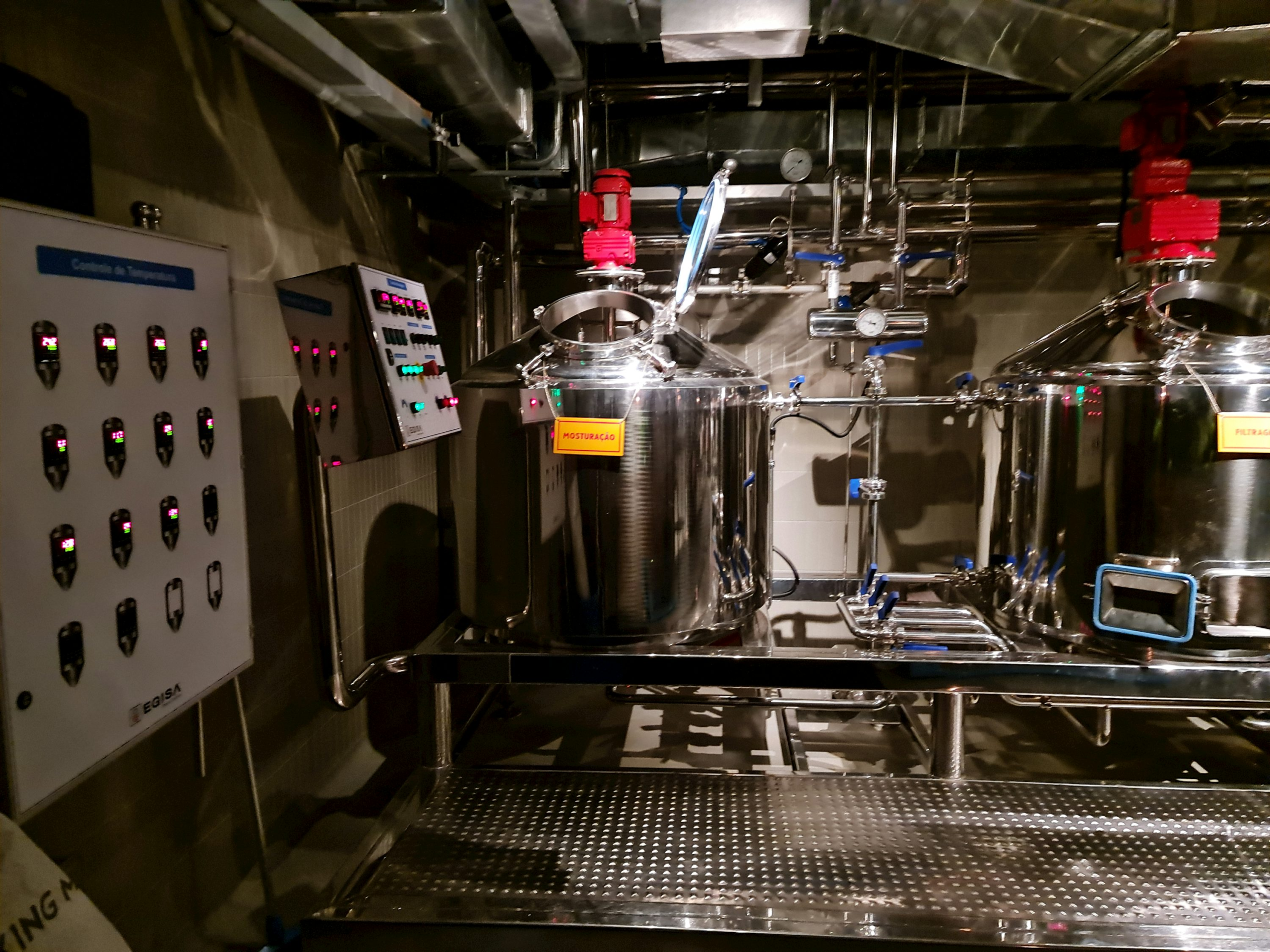
Sidel has introduced a weight-based filler for edible oil, using automated compensation for product still travelling towards the container after the filling valve closes. The equipment manufacturer claims filling accuracy within 0.5g per kilogram of oil, with a standard deviation of 0.8g, and plans to present the machine at Cibus Tec in Parma from 27 to 30 October.
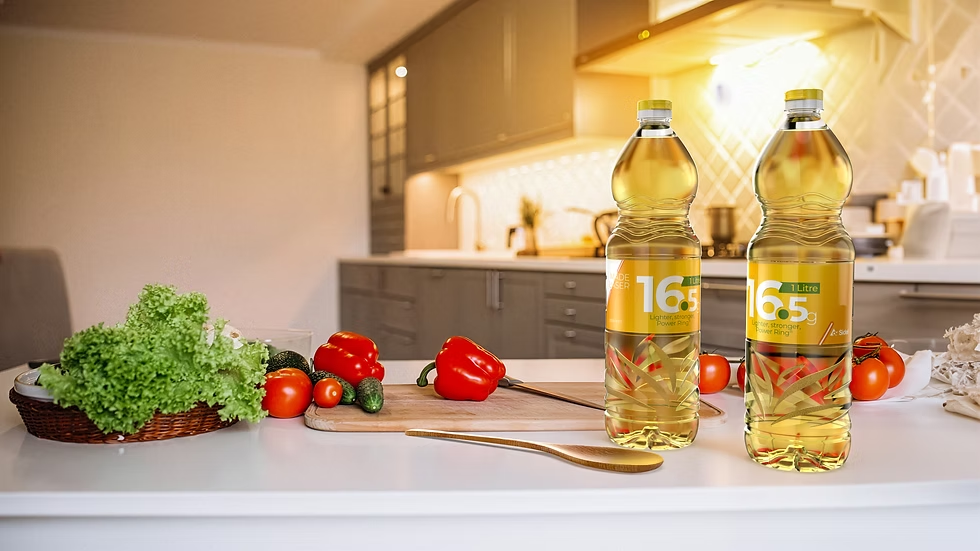
The system handles containers from 0.5 to 5 litres, including PET, glass, metal cans and HDPE, on the same machine. Sidel also specifies brushless motors, individual servo motor control of components, tool-free format changes and energy consumption monitoring. No commercial installation, measured line throughput or independently witnessed performance trial was identified in the manufacturer’s technical disclosure.
The weight-based approach is intended to control the mass delivered to each container. In edible oil production, the final quantity cannot be determined simply by closing a valve when the nominal target is indicated. Oil already between the outlet and container continues to travel after the closing command and may contribute to the eventual package weight.
Sidel describes an automated measurement of this in-flight oil and an adjustment to the valve closing point. The control approach seeks to account for material still on its way into the container rather than waiting until all movement has stopped. By integrating that measurement into the filling cycle, the company aims to improve dosing consistency from the first container onward, without claiming to have eliminated every source of variation in industrial operation.
Vibration is another consideration in gravimetric filling. Movement of the machinery can disturb a weight measurement while the container is being filled, particularly when the process must operate quickly. Sidel has incorporated brushless motors intended to reduce vibration and an arrangement that makes use of the available filling interval as containers pass through the machine.
The reported accuracy and standard deviation describe different performance characteristics. Accuracy concerns the deviation of a fill from its target; standard deviation describes the spread of measurements. Sidel provides the figures of 0.5g per kilogram and 0.8g respectively, but does not state the number of samples, oil grades, container combinations or test speeds used. The claims should therefore remain attributed to the manufacturer.
Even modest deviations can affect the quantity of product used across repeated production cycles. Consistent overfilling increases the amount of saleable oil consumed per package, while insufficient filling presents separate product specification and compliance concerns. The financial effect of any improvement depends on existing machine performance, product value, container size and the total quantity produced, none of which is quantified in the announcement.
Container flexibility may also influence how an oil producer organises packaging operations. PET and HDPE bottles have different handling characteristics from glass bottles or metal cans, while pack sizes impose different dosing requirements. The stated 0.5 to 5 litre range gives producers several options within one machine, although the manufacturer has not described every change to guides, tooling or upstream handling equipment that different formats may require.
Sidel says its format changes are immediate and require no tools. That is a machine capability claim, not a verified measurement of total production downtime during a complete line changeover. A packaging line may still need adjustments to container supply, closing equipment, labels or downstream packing when a new presentation is introduced.
Each component is controlled by its own servo motor, according to the company, as part of a design intended to simplify maintenance and support predictive maintenance. Such functions depend on the information available from the machine and the maintenance procedures used at a particular site. Sidel has not published fault prediction rates, servicing intervals or comparative maintenance costs for the new filler.
The manufacturer also says high-efficiency brushless motors consume less electricity than conventional alternatives. Its consumption monitoring can be used against predefined operating targets, but the announcement contains no numerical energy saving or definition of the reference machine. Any comparison would need to account for output, operating time and the conditions under which the machines are used.
The equipment extends Sidel’s food packaging portfolio beyond the filling process alone. The group offers line integration, packaging equipment and lifecycle services, so adoption of a new filler would also require coordination with incoming containers and downstream closing and packing systems. The performance of the complete line will depend on those connected operations as well as the dosing mechanism.
The machine will be highlighted in Hall 3 at Cibus Tec, which runs in Parma from 27 to 30 October 2026. The published specifications establish its intended container range and control features, while evidence of output from installed production lines, reliability over time and measured product savings remains to be supplied.