IN Brief:
- The Lubbock investment is complete and increases the company's microparticulated whey capacity fourfold.
- Leprino expects approximately 20 million pounds of product capacity to serve formulation markets.
- MP PRO C80 uses protein particles designed to deliver a creamy mouthfeel at elevated protein levels.
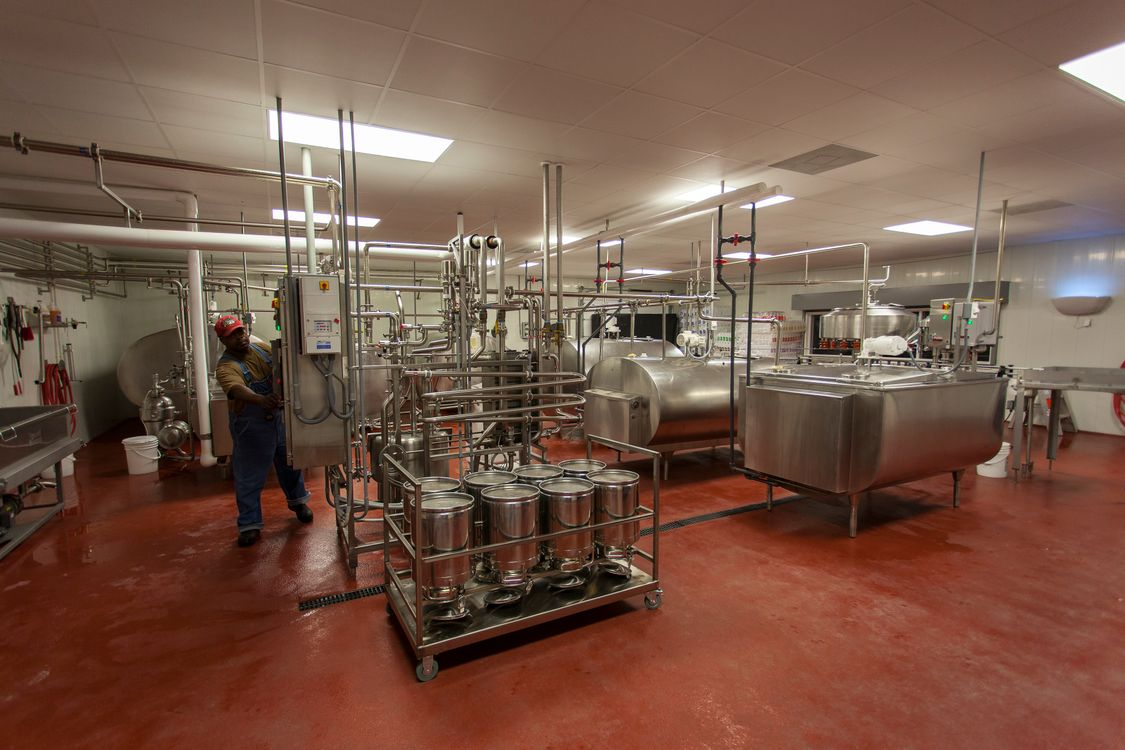
Leprino Nutrition has completed a $35 million expansion of its Lubbock manufacturing site in Texas, adding capacity for microparticulated whey protein concentrates. The company says the investment quadruples its microparticulated production capacity and is intended to bring approximately 20 million pounds of material to market. It has not stated that this amount has already been produced or specified an annual delivery timetable for all of it. Lubbock joins Leprino’s Fort Morgan, Colorado, facility as a production base for this specialist ingredient format.
The addition is separate from Lubbock’s existing sweet whey business and is intended to consolidate externally sourced whey solids for further processing. That distinguishes the project from a new milk-intake plant or a conventional cheese production expansion. The investment concerns the physical processing of whey-derived inputs into a more specialised ingredient format, supplying manufacturers that must balance higher protein declarations with acceptable viscosity, texture and heat-process behaviour in finished foods.
Microparticulation changes the physical behaviour of whey protein ingredients. By processing proteins into fine particles with a size profile that can resemble the scale of milk fat globules, producers aim to create a smooth mouthfeel and reduce the chalkiness sometimes associated with adding higher levels of protein to food. Particle distribution, hydration and the interaction between protein and other ingredients can affect whether that result remains stable during manufacture and storage. The process is particularly relevant in recipes where raising protein content can otherwise increase viscosity or produce an undesirable dry sensation.
Its MP PRO C80 product is a microparticulated whey protein concentrate manufactured using what Leprino describes as a patent-protected process. The company says small, relatively uniform protein particles produce a fat-like mouthfeel while retaining low viscosity in high-protein formulations. It also reports heat stability and little or no foaming in intended applications. Those claims describe supplier testing and product positioning; the release does not establish identical performance across every recipe, pH, processing temperature, shear regime or declared shelf life.
Application areas identified by Leprino include puddings, desserts, ice cream, dips, dressings, sauces, baked goods and snacks. They impose different functional requirements. A chilled pudding needs spoonable consistency and stability after filling, while a dressing must remain sufficiently mobile during pumping and dosing. In frozen desserts, the protein system interacts with fat, air and ice structures; in baked goods, it must withstand mixing and heat while preserving texture. A single ingredient format can be commercially useful across those categories without delivering identical results in each.
The production investment reflects a broader pressure on ingredient suppliers to move beyond simply increasing the percentage of protein in a recipe. High-protein positioning must be reconciled with acceptable viscosity, flavour, processing tolerance and cost. Some manufacturers may choose dairy proteins, others plant proteins or blended systems, depending on allergen policies, functionality and nutritional targets. Microparticulated whey is one option within that formulation work rather than a direct replacement for all protein sources.
Angela Queneau, senior director of research and development at Leprino Nutrition, describes microparticulation as a technically demanding way to supply functional protein for a wider range of products. The Lubbock investment adds another manufacturing location for that work, but delivering a consistent ingredient at industrial scale also depends on reliable raw-material inputs, controlled processing and batch specifications. Buyers would need particle-size, composition and microbiological data, as well as confirmation that the concentrate performs predictably during their own line trials.
Leprino has not disclosed the number of new jobs, a list of new customers or measured production output since completing the expansion. Its reference to approximately 20 million pounds coming to market is an intended supply volume, not an audited annual output figure. A processor evaluating MP PRO C80 would still need to examine dosing rates, ingredient costs, allergen requirements, heat treatment, filling behaviour and the stability of the final recipe. The expansion offers more potential supply, while customer qualification remains specific to each application.
Microparticulated ingredients also require stable supply specifications because a small difference in particle profile can alter perception of creaminess or change viscosity during mixing. Manufacturers will want to compare the new material with existing concentrates at equivalent protein levels and process conditions. This can show whether the benefit comes from additional protein, altered particle geometry or a combination of both, reducing the risk of an expensive reformulation that does not perform on the line.
The newly completed processing capability strengthens Leprino’s ability to manufacture the specialist concentrate, alongside its existing Fort Morgan operation. Subsequent performance will depend on utilisation, repeatable ingredient specifications and commercial uptake by food producers. The release reports a completed capital project, but no realised sales increase or operating rate attributable to the new equipment.