IN Brief:
- Wellence GF 1229 targets bread structure, crumb texture and softness in gluten-free recipes.
- Roquette reports 23% higher volume and roughly 50% lower instrumental hardness after 21 days in selected trials.
- The ingredient is positioned for substitution within existing cellulosic hydrocolloid systems.
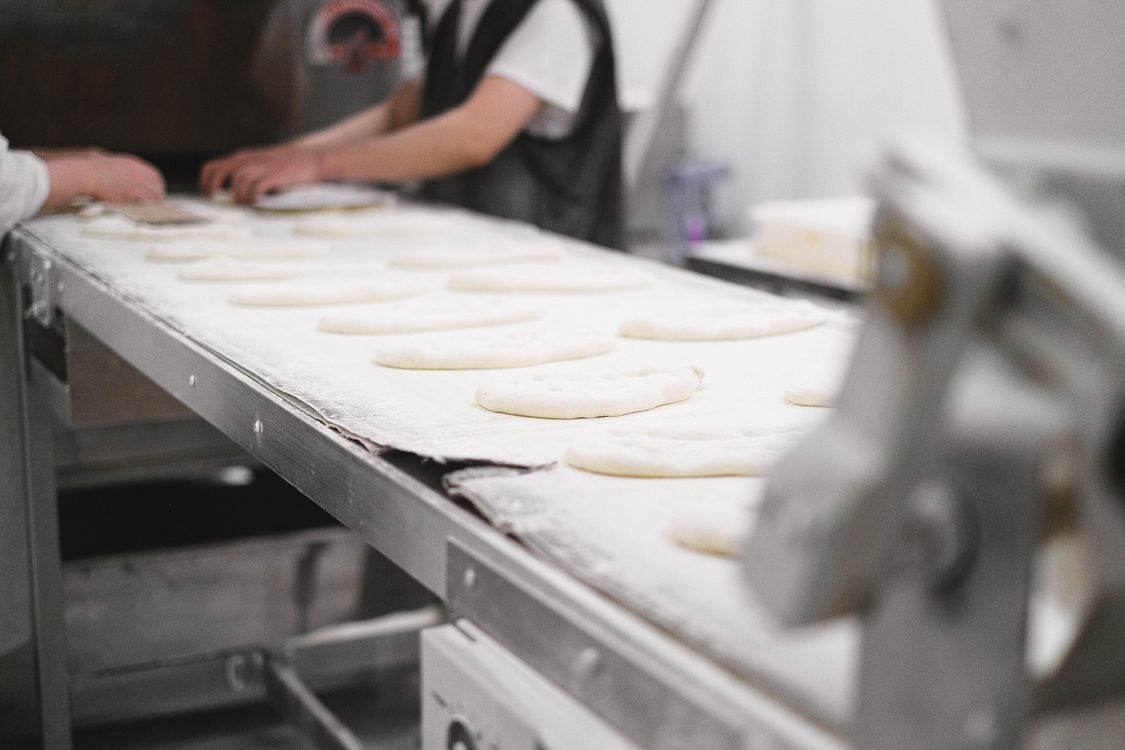
Roquette has launched Wellence GF 1229, a functional ingredient solution intended to improve structure, texture and processing performance in gluten-free bread and related bakery products. The French ingredients group positions the material for industrial loaves, rolls, bagels and pizza dough, where manufacturers need to develop the gas-holding properties normally supplied by wheat gluten. Its launch includes proprietary application-trial figures for bread volume and changes in crumb firmness during storage.
Conventional wheat dough develops a viscoelastic gluten network when flour is hydrated and mixed. That network helps retain fermentation gas while the dough is proved and provides structure as the product bakes. Gluten-free formulations have to achieve similar functions using starches, proteins, fibres and hydrocolloids whose interactions depend on water absorption, mixing intensity and heat. A poorly balanced formulation may be sticky during processing, expand unevenly in the prover or lose volume before the structure sets in the oven.
Hydrocolloid systems can increase water binding and viscosity, helping to distribute gas cells and reduce structural collapse. They also influence crumb tenderness as starches and other components rearrange during storage. That makes an ingredient’s performance a combined processing and shelf-life question rather than a simple measurement of initial loaf height. Roquette says its new Wellence product can be incorporated into existing baking operations, including systems already using cellulosic hydrocolloids.
In Roquette’s application work, bread made using Wellence GF 1229 achieved a 23% increase in volume compared with a market benchmark. The supplier also reports approximately 50% lower instrumental hardness after 21 days, suggesting a softer crumb in the tested samples at the end of that period. These are company results, not universal improvements guaranteed for all gluten-free doughs; the specific recipes, test conditions and reference formulation need to be understood before applying the figures to commercial quality targets.
The company says preliminary external application work has produced encouraging results in different recipes, including improvements to proofing, loaf expansion, mixing and crumb structure. Its recommended usage level is described as relatively low, and Roquette reports favourable cost-in-use in the selected comparison. Ingredient cost per kilogram alone cannot establish total recipe economics: usage rate, process losses, water addition, batch time and reject rates are all relevant when a production bakery evaluates a new functional material.
Roquette also says that a like-for-like substitution for an existing cellulosic hydrocolloid solution can avoid a change to the label in some circumstances. That claim is conditional on the actual ingredients and declaration rules applicable to the product being sold. Food businesses would still need to assess the full ingredient composition, claims, customer specifications and local regulatory requirements, especially where products are supplied across multiple national markets or carry free-from assurances.
Industrial implementation also requires process verification. A formulation that produces greater loaf expansion in a test bakery may behave differently in continuous mixing, automated dividing or high-speed depositing systems, where residence times and shear conditions differ. Water uptake affects dough temperature and handling behaviour, while a change in viscosity can alter filling and portioning accuracy. Proofing humidity, oven profiles, package design and storage conditions can all influence softness measured weeks after baking.
Different gluten-free recipes may respond differently to the same cellulosic hydrocolloid, because starch composition, added proteins, fibres and water levels influence viscosity and gas retention. A bakery switching ingredients may have to adjust water addition or mixing even when it retains its existing equipment. Trials at production scale also need to establish whether the material performs consistently across raw material batches and during extended runs, not merely in a single laboratory loaf.
Shelf-life comparisons also need a consistent testing protocol. Instrumental hardness measurements depend on sample preparation, test geometry, storage temperature and packaging, while consumers may respond to chewiness or moisture differently from a single machine result. A bakery evaluating the reported softness improvement should therefore repeat the comparison within its usual distribution and storage conditions, ideally comparing identical products except for the hydrocolloid system.
Roquette plans to present Wellence GF 1229 at Fi Europe in Frankfurt on 17–19 November, when manufacturers can discuss customer application trials. The product has been shortlisted for the event’s Plant-Based Innovation award, with the winner due to be named on 17 November. Roquette’s reported volume and hardness improvements remain proprietary application-trial findings until customers establish whether they transfer to their own recipes, equipment and storage conditions.