IN Brief:
- Botec F1 version 4.6 supports .NET 8 and SQL Server 2025 and improves compatibility with virtualised IT infrastructure.
- Additional integration functions connect Android-based barcode scanners with production and material data.
- Steinecker is also presenting ILTIS, a modular control system supporting multiple PLC and HMI environments.
Steinecker, part of the Krones Processing network, has updated its Botec F1 process control system to version 4.6, introducing software infrastructure and connectivity improvements for batch-oriented beverage and food production.
The release supports .NET 8 and SQL Server 2025, improves compatibility with virtualised IT environments and extends connections between production equipment, operating personnel and higher-level factory systems. Steinecker is presenting the update at BrauBeviale alongside its modular ILTIS automation platform.
Botec F1 is designed for manufacturing operations in which production proceeds through defined batches and process sequences. It manages and records production activity, helping manufacturers maintain consistent operating conditions and trace the execution of individual recipes.
The system is used in applications including brewing, beverage manufacture and dairy processing. These operations require control over variables such as temperature, material quantities, processing times and the movement of products between equipment.
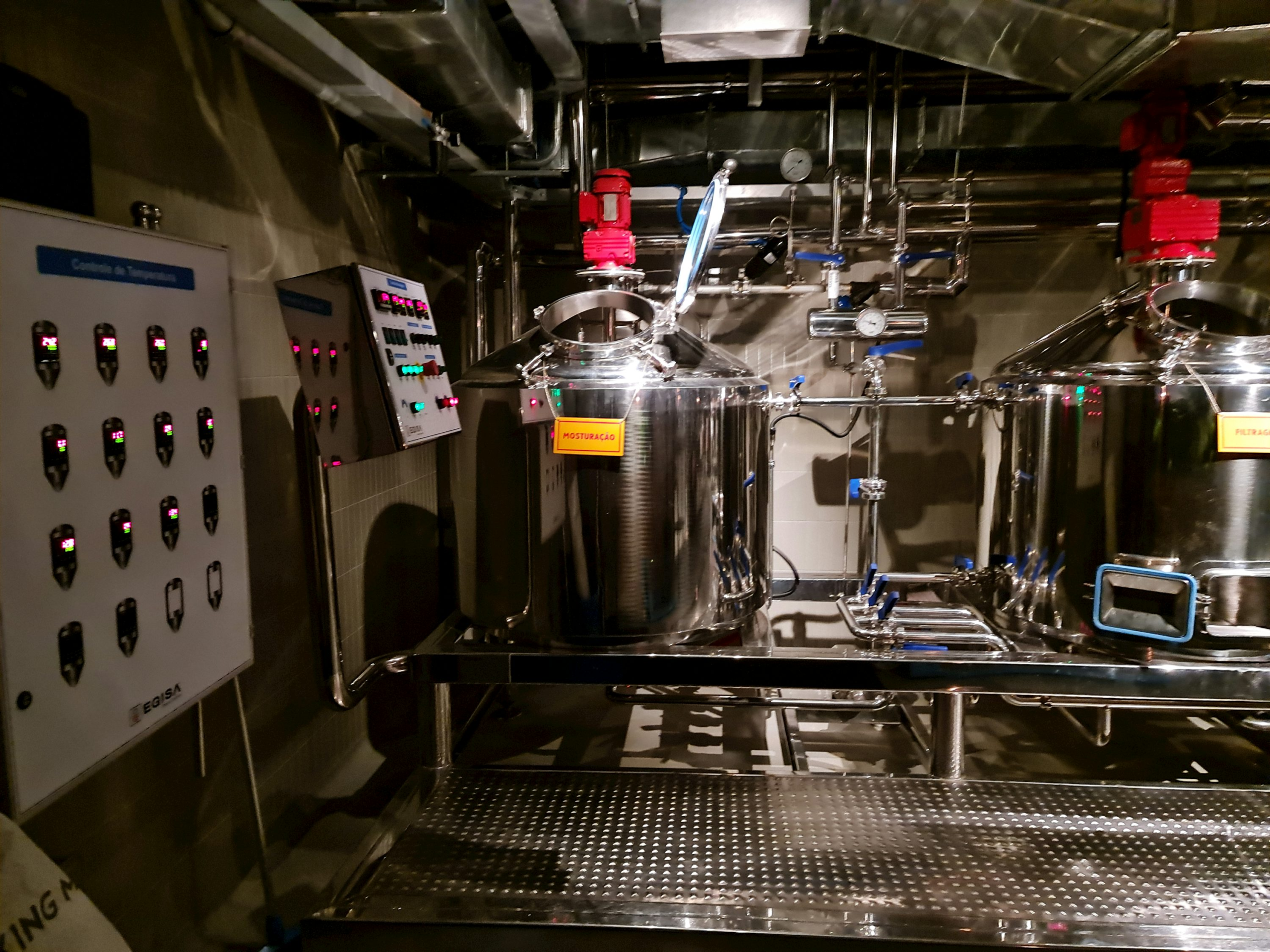
In a brewery, for example, production involves a sequence of interconnected operations rather than a single continuous machine cycle. Raw materials are introduced, processed and transferred through equipment according to the recipe and the stage of manufacture.
Batch control software coordinates these activities by linking process parameters with production orders and equipment status. It can also record information that allows operators to establish what happened during a particular manufacturing run.
Steinecker's update addresses the software environment supporting those functions. Industrial processing equipment often remains in service far longer than individual computing platforms, creating a need to maintain compatibility as operating systems, databases and IT infrastructure change.
Reliance on ageing software can complicate maintenance and the introduction of new connections to manufacturing information systems. The use of supported software components provides a route for managing these changes, although any installation still requires suitable configuration, testing and maintenance.
Version 4.6 introduces compatibility with contemporary software infrastructure using .NET 8 and SQL Server 2025. The update has also been developed for virtual IT environments, allowing the control application to fit more readily into modern production and enterprise architectures.
Virtualisation separates software workloads from individual physical computing hardware. In suitable configurations, this can provide flexibility in the management of server resources and application environments.
Industrial deployment nevertheless requires careful consideration of network availability, system response, redundancy and the relationship between supervisory software and the underlying process controllers. The use of virtual servers does not remove the need for dependable local control of equipment and safety-related functions.
Steinecker has not published quantified reliability improvements, processing speed increases or maintenance savings arising from the software update. The confirmed changes relate to platform compatibility and information exchange.
The manufacturer has also expanded the system's integration with commonly used Android-based barcode scanners. These functions support the capture of production and material information at the point where operators handle inputs or undertake manufacturing activities.
Barcode-based identification can connect a material, batch or production order with the corresponding manufacturing record. In a beverage operation, this may involve recording the identity of an ingredient before it enters a mixing or processing stage.
Such records depend on the correct configuration of identification codes and the procedures used by operators. Scanning equipment can improve the availability of data, but it cannot independently establish that a physical material meets its required specification.
The information must therefore be associated with appropriate checks and control procedures. Material identity, supplier records, batch status and the authorisation to use an input can all influence how scanning information is handled within a production system.
Additional communication and notification mechanisms in Botec F1 are intended to improve the exchange of information between production lines, operating personnel and higher-level IT applications.
These connections can reduce the separation between process execution and production management. Equipment status, manufacturing records and material information can be made available to other authorised systems, subject to the interfaces and data structures implemented at the factory.
Steinecker's second platform, ILTIS, provides a modular approach to process automation. Its applications range from straightforward visualisation to larger multi-user configurations involving several connected servers.
The system supports multiple programmable logic controller and human-machine interface environments and includes a central dashboard intended to provide an overview of operating activity.
This flexibility allows ILTIS to be considered for installations with different levels of complexity. A smaller production operation may require monitoring and operator interfaces, while a more extensive facility may need coordinated access to several controllers and production areas.
Steinecker identifies applications across water and wastewater treatment, pharmaceuticals, chemicals, energy management, renewable energy, PET recycling and bulk material handling.
Both platforms are designed to communicate with higher-level IT systems, but they address different automation requirements. Botec F1 concentrates on the execution and recording of batch production, while ILTIS offers a scalable control environment suited to a wider variety of industrial installations.
The appropriate choice depends on plant architecture, equipment interfaces and the processes being controlled. An existing facility may also need to retain compatibility with installed controllers, production records and operator procedures during a software transition.
Implementing an update therefore requires an assessment of the particular installation. Production systems must be tested to confirm that recipes, control sequences, communications and records continue to operate as intended after changes to their software environment.
Steinecker's BrauBeviale presentation concentrates on maintaining established process control functions while supporting newer computing infrastructure and connections between manufacturing operations and factory IT systems.
Release 4.6 is available as a development of the existing Botec F1 platform. The company has not announced a universal deployment timetable or confirmed customer installation numbers for the update.