IN Brief:
- Tyson Foods intends to establish a long-term partnership with Allied Beef Company, a consortium of American ranchers.
- Selected second-shift operations have already resumed at its Amarillo beef-processing facility in Texas.
- Tyson expects the shift to be fully operational by summer 2027, but has not disclosed committed livestock volumes or additional processing capacity.
Tyson Foods intends to establish a long-term partnership with Allied Beef Company, a consortium of American ranchers, as it works to restore full second-shift operations at its beef-processing facility in Amarillo, Texas.
Selected operations on the second shift have already resumed, and Tyson expects the shift to become fully operational by summer 2027. The proposed partnership is intended to strengthen the company's access to cattle while creating longer-term commercial arrangements with producers supplying the US beef industry.
The announcement follows earlier changes to Tyson's beef-processing network. In August, the company said it would increase Amarillo's second-shift operations as cattle became available, linking the adjustment to wider measures intended to improve processing efficiency.
The November development adds a more specific timetable and identifies Allied Beef as a prospective supply partner. Tyson has described the arrangement as an intention to establish a relationship rather than confirming that a final agreement with disclosed purchasing commitments has been completed.
Allied Beef represents ranchers involved in the US cattle sector. Tyson's proposed model would establish a more direct commercial connection between those producers and its beef-processing operations, supporting longer-term planning on both sides of the supply chain.
The company has not disclosed the quantity of cattle expected to be supplied through the arrangement, the duration of specific purchasing contracts or the commercial terms that would govern livestock deliveries. Those details will determine how the proposed partnership affects actual procurement and plant utilisation.
US beef processors have faced pressure from limited cattle availability and elevated livestock costs. Reduced cattle inventories have intensified competition for animals, while processors must maintain expensive industrial facilities even when procurement volumes decline.
Cattle supply cannot respond immediately to short-term changes in processing demand. Breeding, rearing and finishing animals involve biological cycles extending over substantial periods, while ranchers' decisions are influenced by feed availability, weather, livestock prices and the cost of maintaining herds.
Drought and other pressures have contributed to the reduction in the national herd. Rebuilding inventories requires producers to retain suitable animals for breeding rather than supply them immediately for slaughter, which can temporarily restrict the number available to processors.
These conditions affect the economics of plants designed to handle large volumes. Processing facilities require investment in equipment, refrigeration, utilities and maintenance, while staffing and food safety procedures must remain appropriate to the hours and activities being undertaken.
When fewer cattle are available, factories may operate below their intended capacity. Some costs vary with production volume, but others continue even as throughput declines, affecting the cost allocated to each animal processed.
Tyson reduced the Amarillo operation to one full-capacity shift in August as part of broader network restructuring. The company also announced changes affecting other facilities, seeking to align slaughter capacity with the cattle available for procurement.
The planned return of the second shift reverses part of that operating reduction. It will require sufficient livestock deliveries to support additional production hours, together with the workforce and plant systems needed to operate safely and consistently.
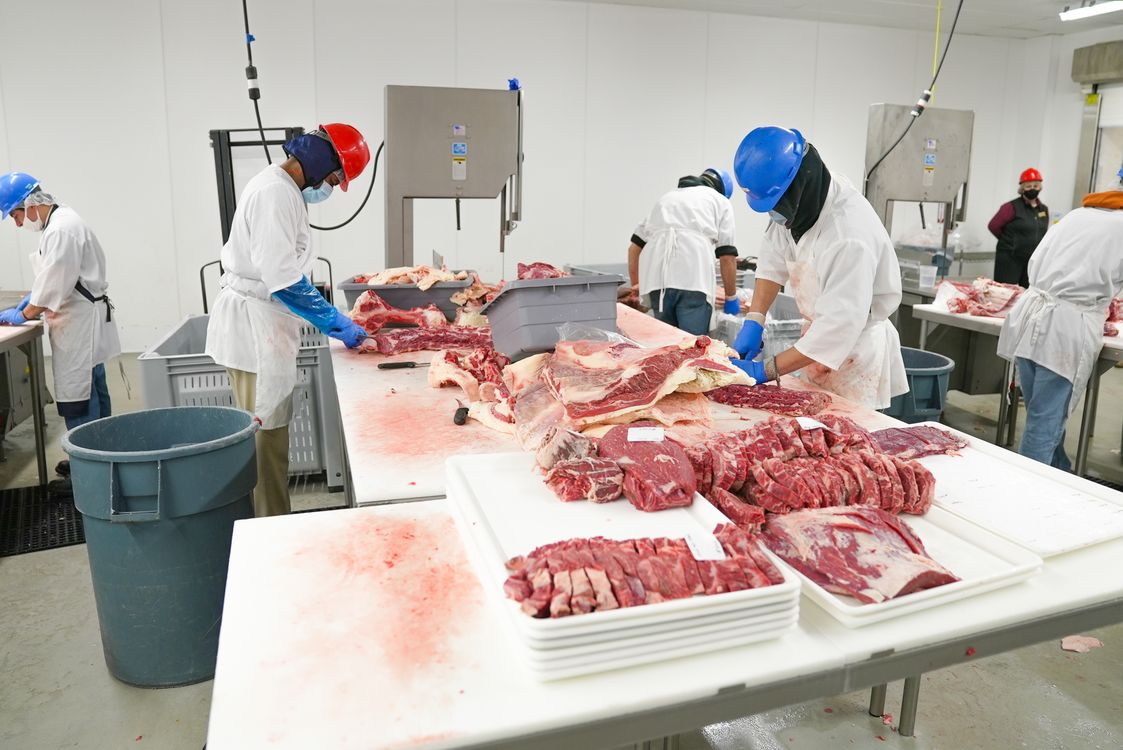
Beef processing includes several closely coordinated activities, beginning with livestock handling and slaughter before carcasses move through preparation, inspection, chilling and subsequent fabrication and packing.
The production stages must be balanced because increasing capacity at one point does not necessarily increase output through the entire plant. Chilling arrangements, cutting operations, packaging equipment and refrigerated storage may impose additional constraints as production volumes change.
Process hygiene and inspection requirements remain applicable during expanded operating hours. Equipment cleaning, maintenance and verification arrangements need to be scheduled appropriately, while the workforce must be trained for the tasks and machinery used in each area.
Tyson expects restoration of the second shift to create additional employment opportunities. It has not provided a confirmed number of new positions or established how many will result from rehiring former workers rather than recruiting new employees.
The pace of staffing will influence the production ramp-up. Skilled processing roles require appropriate instruction and competency, particularly where employees work with cutting equipment, carcass handling systems or machinery presenting occupational safety risks.
A more predictable flow of cattle could help the plant plan operating schedules and allocate labour. Direct relationships with producers may also improve information about anticipated livestock availability, although the benefit will depend on the final commercial arrangements and the reliability of deliveries.
Tyson's proposed partnership does not eliminate wider constraints on cattle production. Ranchers remain exposed to changing feed costs, environmental conditions and market prices, while the amount of livestock available nationally will continue to influence competition between processors.
The company's beef business has been affected by high cattle procurement costs and difficult operating margins. Restoring production capacity at Amarillo represents an attempt to improve utilisation in a market where expanding processing hours must be supported by suitable livestock supply.
Tyson has not announced a specific capital expenditure figure for the restoration programme. Its statement also does not quantify the additional daily slaughter capacity expected when the second shift reaches full operation.
The proposed Allied Beef relationship may support investment and operating decisions by giving producers and the processor greater visibility of their commercial requirements. Its practical effect will remain dependent on the final contract structure and the cattle delivered through it.
Wes Morris, chief operating officer at Tyson Foods, has linked the proposed arrangement to the company's longer-term cattle supply and beef manufacturing strategy. The company expects the additional shift to increase production, with full operation targeted for summer 2027.
Until then, the relevant milestones are completion of the partnership arrangements, restoration of the required workforce and a progressive increase in processing activity. Tyson has confirmed that selected second-shift operations are running, but has not established that the full planned capacity has already returned.