IN Brief:
- Tesco and Samworth Brothers Manton Wood have changed the cartonboard trays used for 20 chilled food products.
- MM Board & Paper's ALASKA Barrier Grease replaces a separate polyethylene lining with a water-based dispersion barrier.
- The change affects approximately 320 tonnes of PE-lined cartonboard annually and moves the trays from amber to green under the UK EPR recyclability assessment.
Tesco and Samworth Brothers Manton Wood have replaced polyethylene-lined cartonboard trays across 20 chilled food products, introducing a dispersion-coated material intended to improve recyclability while retaining the protection required during manufacturing and distribution.
The project was completed with Paranova Print & Packaging and MM Board & Paper, using the latter's ALASKA Barrier Grease cartonboard. According to the material supplier, the change affects approximately 320 tonnes of PE-lined cartonboard annually and moves the trays from an amber to a green classification under the UK Extended Producer Responsibility Recyclability Assessment Methodology.
The 320-tonne figure refers to the quantity of conventional PE-lined cartonboard being replaced, not the weight of polyethylene removed from the packaging system. The finished trays also remain enclosed in plastic film, so the change does not eliminate all plastic from the products.
MM Board & Paper produces ALASKA Barrier Grease at its Kotkamills facility in Finland. The material combines virgin fibre cartonboard with a water-based dispersion barrier designed to provide resistance to grease and moisture without requiring a separate polyethylene lining.
Chilled food packaging has to maintain suitable performance across filling, transport, retail handling and storage. A cartonboard tray must retain its shape while protecting the product against conditions that could compromise its quality or the integrity of the package.
Grease resistance is important where foods contain oils or fats capable of penetrating an unprotected fibre surface. Moisture can also affect cartonboard performance, potentially changing its stiffness and ability to retain the intended geometry during handling.
Polyethylene coatings have traditionally provided a barrier between the food and the underlying cartonboard. They can offer useful protective properties, but their presence creates an additional material component that must be considered when assessing recycling compatibility.
The ALASKA Barrier Grease material uses a dispersion coating instead. Its performance depends on the formulation and application of that coating, the properties of the base board and the conditions encountered after conversion into a finished tray.
Material selection must take account of more than the characteristics of an unused flat sheet. Cutting, creasing and forming place mechanical demands on cartonboard, and deformation can affect how protective layers behave around folds and corners.
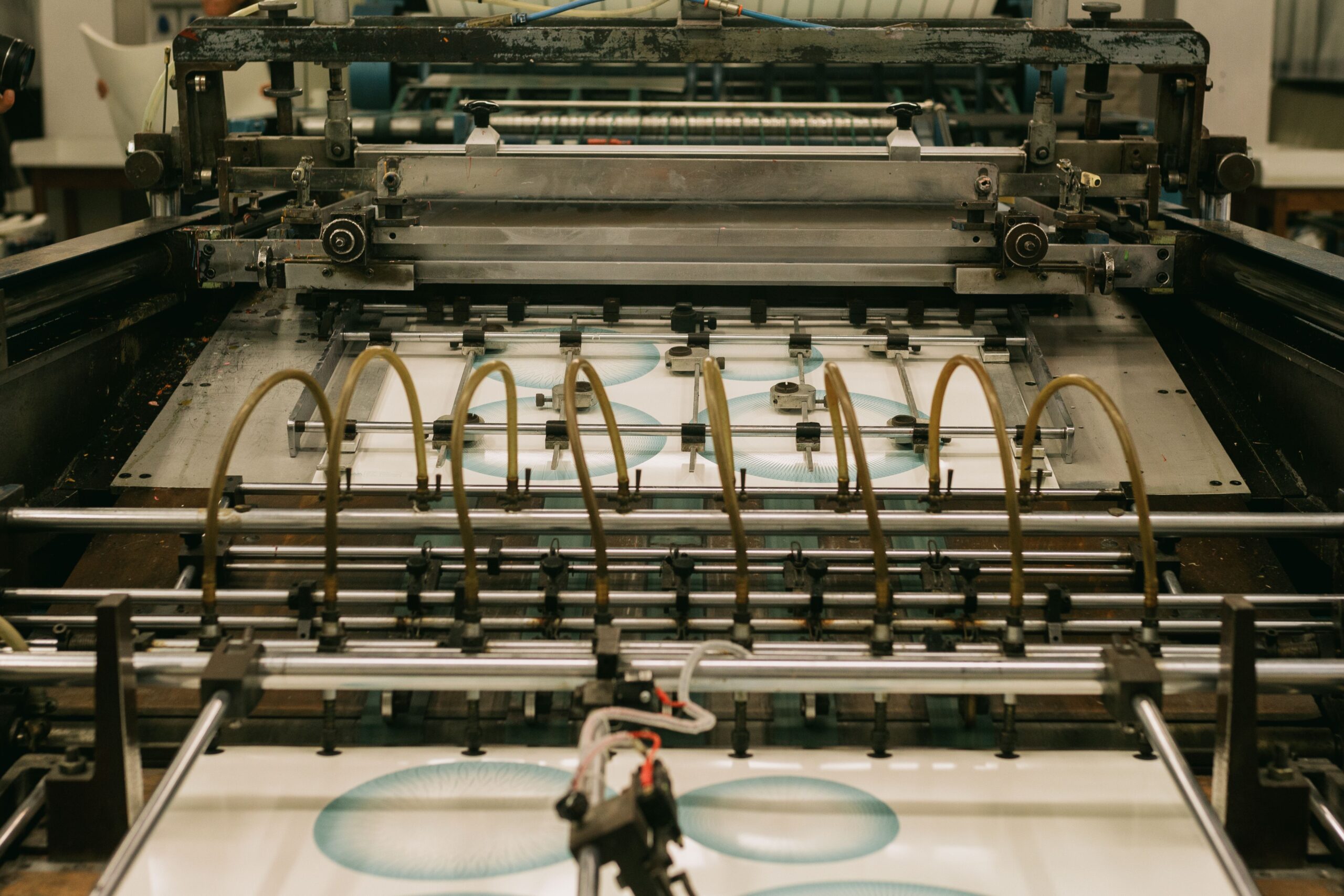
Paranova's role as converter connects material manufacture with the production of finished trays. The board must be processed into packaging that meets the dimensions and handling requirements of the chilled food packing operation while maintaining the necessary barrier properties.
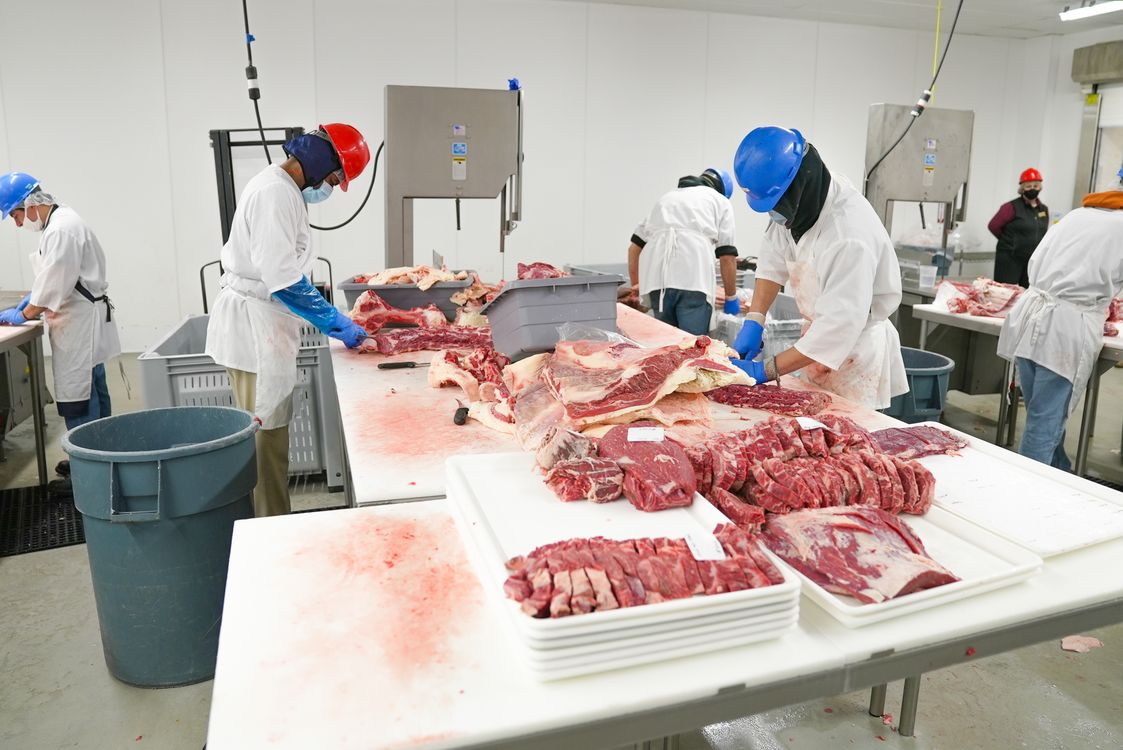
Samworth Brothers Manton Wood subsequently uses those trays in commercial food production. The change therefore extends beyond a laboratory material trial and has been incorporated into packaging for products sold through an established supermarket supply chain.
The businesses have not published comparative packing-line speeds, rejection rates or changeover times for the new material. Its successful commercial adoption should not be interpreted as proof of a particular improvement in manufacturing productivity.
Food-contact suitability remains a separate requirement from recyclability. The packaging must be appropriate for the products it contains and the anticipated conditions of use, with the material supplier and downstream businesses responsible for the necessary compliance assessments.
MM Board & Paper reports that ALASKA Barrier Grease provides the grease and moisture resistance required for the Tesco applications. The company has also published comparative testing using food materials containing fat, assessing whether staining occurred under defined conditions.
In those tests, the barrier board showed no visible grease staining after nine days, matching the PE-coated reference included in the comparison. The result supports its performance under the tested conditions but cannot establish identical behaviour for every food product, storage period or packaging design.
Recycling assessments provide a different type of evidence. The supplier reports a yield of approximately 99% using the CEPI/4evergreen testing method, comparable with the reference cartonboard assessed alongside it.
That result measures performance under the specified test procedure. It does not mean that 99% of trays placed on the market are subsequently collected and recycled, because actual recovery depends on consumer disposal, collection, sorting and the operation of commercial recycling facilities.
The change from amber to green under the UK EPR assessment concerns the classification assigned to the packaging. It indicates improved recyclability performance under the relevant methodology rather than a directly measured increase in the amount of packaging recycled after use.
Separation of materials remains important to the finished package. The cartonboard tray and surrounding plastic film are intended to be separated after use, allowing the components to enter the appropriate waste management routes where suitable collection services exist.
Ease of separation can influence whether a packaging design is practical for consumers and compatible with sorting arrangements. The materials must also remain suitable for the original packaging operation, so designing for recovery cannot be considered independently of food protection and production requirements.
The project demonstrates cooperation across four stages of the packaging supply chain. MM Board & Paper supplies the board, Paranova converts it into trays, Samworth Brothers uses the packaging during food manufacture, and Tesco introduces the completed products through its retail network.
Changes at one stage must be compatible with the requirements of the others. A new board may offer improved recycling characteristics, but its adoption depends on converting performance, finished-pack strength, food-contact suitability and the ability of production equipment to handle the material consistently.
MM Board & Paper identifies the use of its dispersion-coated material across 20 products as evidence that this type of substitution can be undertaken at commercial scale. The supplier has not disclosed the total number of trays produced or the precise mass of polyethylene displaced by the change.
The project has been recognised in industry award programmes, including the Sandwich & Food to Go Industry Awards and the Green Packaging Star Award. Those nominations are separate from the technical testing and commercial operation of the new packaging.
Further evidence from collection and recycling operations would be needed to establish the proportion of the trays recovered after use. The completed rollout confirms a material substitution across an existing chilled food production programme, with the supplier reporting improved recyclability classification while retaining the packaging functions required for those products.