IN Brief:
- The European Commission initiated a safeguard investigation into PET resin chemicals on 6 November 2026.
- The investigation covers virgin and recycled PET, PET glycol and several upstream chemical inputs used in polymer manufacture.
- Any safeguard measures would require evidence of serious injury or its threat, together with the applicable legal procedures and member-state support.
The European Commission has opened a safeguard investigation into imports of polyethylene terephthalate (PET) resin chemicals, examining whether increased imports are causing serious injury, or threatening serious injury, to producers within the European Union.
The investigation was initiated on 6 November and covers materials used across the PET production chain, including virgin PET, recycled PET, PET glycol and upstream chemicals. It follows pressure on European manufacturers from increasing imports and growing production capacity outside the EU.
PET is an important material for food and beverage packaging, particularly bottles and containers manufactured from thermoplastic resin. Its wider applications include textile fibres, construction materials and other industrial products, meaning the investigation extends beyond food packaging alone.
The Commission will assess whether the conditions for safeguard measures are satisfied and whether intervention would be in the EU's interest. Opening the investigation does not establish that injury has occurred, and no additional safeguard restriction has been introduced through the initiation decision.
Any subsequent measures would need to follow the applicable legal process and receive the support of a qualified majority of EU member states. Provisional measures could be considered if the necessary conditions are established, but their introduction is not automatic.
The investigation covers PET in virgin and recycled forms, PET glycol and three upstream inputs: terephthalic acid, monoethylene glycol and purified isophthalic acid. Together, these materials form part of the value chain supplying polymer producers and manufacturers using PET-based products.
Conventional PET manufacture uses terephthalic acid and monoethylene glycol as principal chemical inputs. The resulting polymer is supplied in grades selected according to their intended applications and processing requirements.
Packaging converters purchase resin with properties suitable for their equipment and the finished product. Those properties can include viscosity, moisture content, thermal behaviour and the consistency of material supplied from one production batch to another.
In beverage bottle manufacture, PET resin is commonly dried before being processed into preforms by injection moulding. The preforms are subsequently reheated and stretch blow moulded into finished containers, with the processing conditions influencing their dimensions, strength and other characteristics.
Not every PET grade is suitable for every packaging application. Resin properties affect how material flows during processing, while food-contact requirements and the intended product influence the specifications used when selecting a supplier.
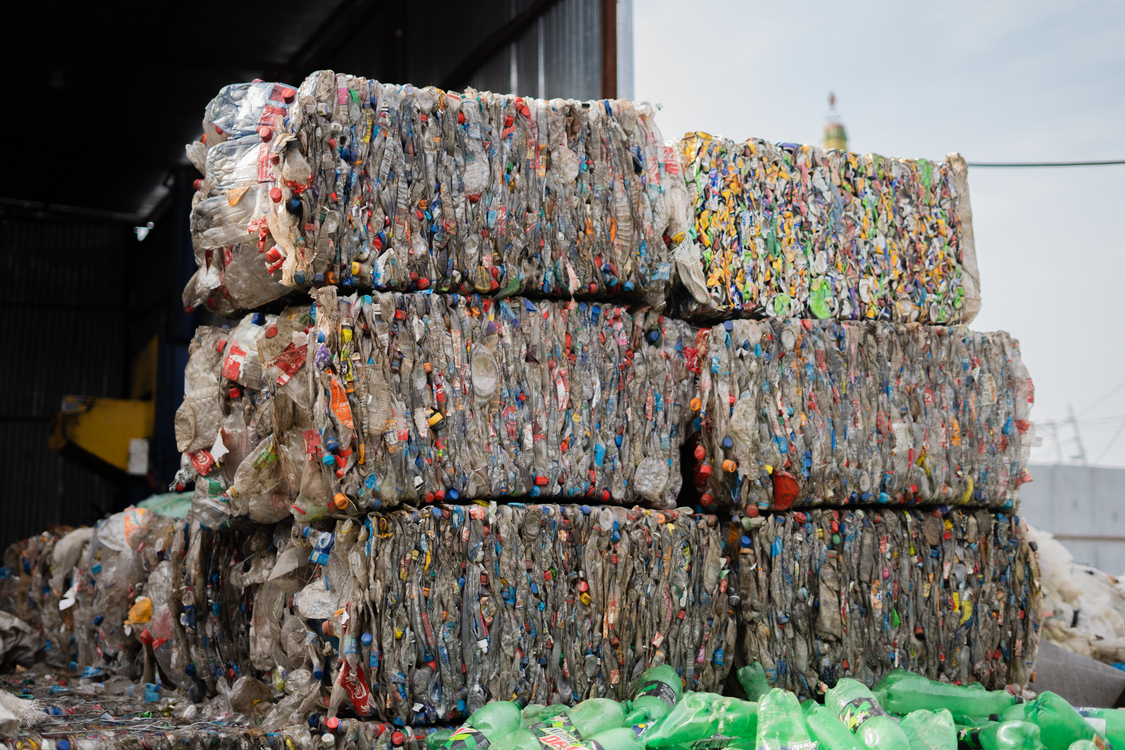
Recycled PET introduces additional considerations. Material recovered from used packaging must be collected, sorted and processed before it can enter suitable manufacturing applications. Food-grade recycled resin also has to meet applicable requirements governing decontamination and its intended contact with food.
Changes in recycled PET availability or pricing can therefore affect packaging manufacturers seeking to meet recycled content commitments. A converter may be able to use virgin and recycled material in suitable proportions, but any change must remain compatible with the finished packaging specification and production process.
The Commission's investigation concerns international trade conditions rather than the technical suitability of individual resin grades. Nevertheless, decisions affecting the availability or cost of imported PET could influence procurement arrangements throughout the packaging supply chain.
European resin producers may regard safeguards as a means of addressing import pressure, while converters purchasing materials from outside the EU could face different commercial conditions if restrictions are eventually imposed.
The form of any possible measure has not been determined. It would therefore be premature to assign a tariff rate, quota or price effect to the investigation, particularly given the differences between the chemical products and markets covered.
The Commission has identified increasing global production capacity and the prospect of trade diversion as concerns. When other markets introduce barriers or experience changing demand, producers may redirect material towards destinations where imports remain commercially attractive.
Safeguard investigations are designed to establish whether increased imports are causing or threatening serious injury to a domestic industry. They differ from anti-dumping proceedings, which examine whether goods have been sold at unfairly low prices under the relevant legal tests.
The EU already maintains anti-dumping measures on PET imports from China and anti-subsidy measures on PET from India. Existing measures also affect certain chemical inputs imported from other countries.
Those trade defence arrangements are separate from the new safeguard investigation. The initiation notice does not remove them, alter their applicable rates or establish that further restrictions will necessarily follow.
Interested businesses can submit evidence and views during the investigation. The World Trade Organization notification identifies deadlines of 21 days from initiation for questionnaires and written representations, while parties seeking to make themselves known are asked to do so within 15 days.
Importers, exporters, resin producers and packaging converters may provide information about trading conditions, domestic production and the potential consequences of any action. Evidence from different parts of the supply chain can inform the Commission's assessment of whether safeguards would be justified and in the EU's interest.
The European proceeding is also distinct from the PET safeguard investigation initiated by the United Kingdom's Trade Remedies Authority in August. Both concern international trade in relevant materials, but they operate under separate legal arrangements and decision-making processes.
For packaging businesses, the immediate position is unchanged: existing trade measures and material compliance requirements remain applicable while the EU gathers evidence. Procurement teams will need to monitor the investigation rather than treat possible future safeguards as established commercial terms.
If provisional restrictions are introduced, the Commission must continue within the prescribed timetable. Its published guidance identifies a requirement for definitive measures to follow within 200 days of provisional action, subject to the wider time limits governing the investigation.
The Commission's eventual findings will determine whether the increased imports meet the threshold for intervention. Until that decision, the impact on European PET producers, packaging converters and food and beverage manufacturers remains conditional on a regulatory process that has only recently begun.