IN Brief:
- DN AGRAR has begun producing and selling skimmed milk concentrate and cream from the Straja facility in Alba County.
- The approximately €3.5 million project has a reported design processing capacity above 300,000 litres of milk per day, with full capacity targeted for 2028.
- Company figures indicate 540,000 litres of combined storage and concentrated product transport requiring fewer vehicle movements than raw milk.
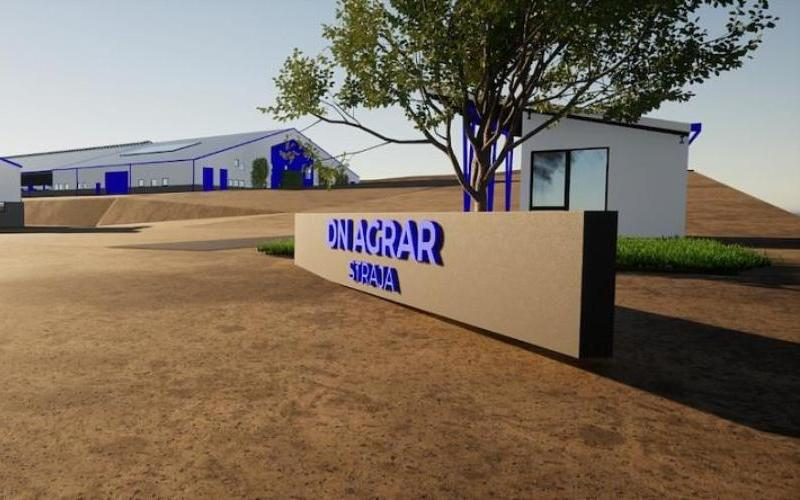
DN AGRAR has started commercial production and sales of skimmed milk concentrate and cream at its new Straja processing facility in Romania’s Alba County. The approximately €3.5 million project moves part of the milk produced at the adjoining dairy farm into ingredients supplied to other food businesses. Initial orders began shipping in November, bringing an additional processing and distribution operation into the group’s existing milk production business.
In a current report filed with the Bucharest Stock Exchange on 9 November, DN AGRAR stated that the facility has processing capacity above 300,000 litres of milk a day, with maximum capacity expected in 2028. The company did not state how much raw milk the plant is handling during its initial operating period. Earlier development material referred to 150,000 litres per day, but that was an earlier project estimate, not a measure of the newly commissioned plant’s current output. The two figures should not be combined or represented as sequential achieved production records.
Raw milk can be separated into cream and a lower-fat stream before further processing into products specified for industrial customers. Concentrating skimmed milk removes some water, increasing the proportion of milk solids in the transported product. The reduced volume can lower the number of tanker journeys for an equivalent quantity of solids, although microbiological control, hygienic handling and temperature management remain essential. DN AGRAR has not identified its concentration equipment or published solids content, process temperatures, or product shelf life; those operating conditions cannot be assumed from the ingredient names.
DN AGRAR is targeting business-to-business customers that use dairy ingredients in their own manufacturing operations. The company says the facility can supply cream, skimmed milk concentrate and products with specified fat contents from 0.5% to 4%, depending on customer requirements. It has also indicated the ability to produce products meeting kosher certification requirements. The precise catalogue of finished ingredient grades, available certifications and individual customer specifications has not been published in the material reviewed.
The company gives a four-to-one illustration of transport efficiency: four vehicles carrying raw milk could, under the cited concentration conditions, be replaced by one carrying concentrated product. The comparison is a stated operating rationale, not an audited reduction in the plant’s total deliveries. Cream and other milk fractions can still require separate transport, and actual truck numbers depend on product composition, tanker payloads, cleaning, dispatch frequency, and customer locations. Removing water before delivery changes logistics requirements without removing the need for controlled dairy distribution.
Storage capacity totals 540,000 litres across the processing operation and farm, according to the new company filing. Of that amount, 400,000 litres are at the processing facility and 140,000 litres are at Straja Farm. The tanks can provide buffers between farm milk arrivals, processing, and the dispatch of ingredients to customers. DN AGRAR has not disclosed which tanks store raw milk, cream or concentrate, nor the residence times and temperature settings permitted for each product. The reported total should therefore not be mistaken for 540,000 litres of finished concentrate inventory.
Customers can receive full truckloads or 1,000-litre containers, giving DN AGRAR different delivery options for ingredient supply. The company also states that fat content can be adjusted between 0.5% and 4% in specified products, depending on customer requirements. Filling, cleaning, product identification, and temperature control will need to be matched to the selected delivery format, but the filing does not identify the machinery or validated operating procedures used for container handling. The ability to supply kosher-certified products is a stated possibility rather than confirmation that all output currently carries such certification.
Romanian buyers are the first market for the new operation, with Greece and Italy identified as priority export destinations. DN AGRAR’s wider strategy targets an increase in annual milk production from around 80 million litres in 2026 to between 150 million and 200 million by 2030. Those are group-level ambitions across its farms, not a forecast of concentrate sales from Straja. Product demand, raw milk allocation and the fraction of water removed will determine how the new plant contributes to that programme as it approaches the 2028 capacity target.
Exim Banca Românească has supported the approximately €3.5 million investment, which gives DN AGRAR an additional commercial outlet for milk produced at Straja. Ingredient sales can be scheduled around customer demand, but the economics of concentration depend on utilities, labour, separation yields, refrigeration, packaging and freight as well as the selling price. The current report confirms the launch of production and sales; it does not provide plant-specific operating costs, profitability or an independently assessed payback period.
With initial commercial dispatches under way, the Straja factory has moved beyond construction into routine supply, though no achieved daily throughput has yet been published. The mix of cream and concentrate sold, transport volumes and customer destinations will determine how the new operation develops as it approaches the 2028 design capacity target. The company’s current filing establishes the start of production and sales but does not quantify the site’s return on investment.