IN Brief:
- Manufacturers face pressure to reduce operating costs while developing new products and maintaining quality.
- The DoughLAB combines controlled fermentation, manual stretching, and rapid freezing to preserve pizza texture at scale.
- Contributions examine alternative ingredients, sanitation, food safety, and packaging performance.
Manufacturers have little room for variation once new products reach the production line. Ingredient costs and energy consumption are pressing concerns, while new formulations increase the number of variables that must be controlled.
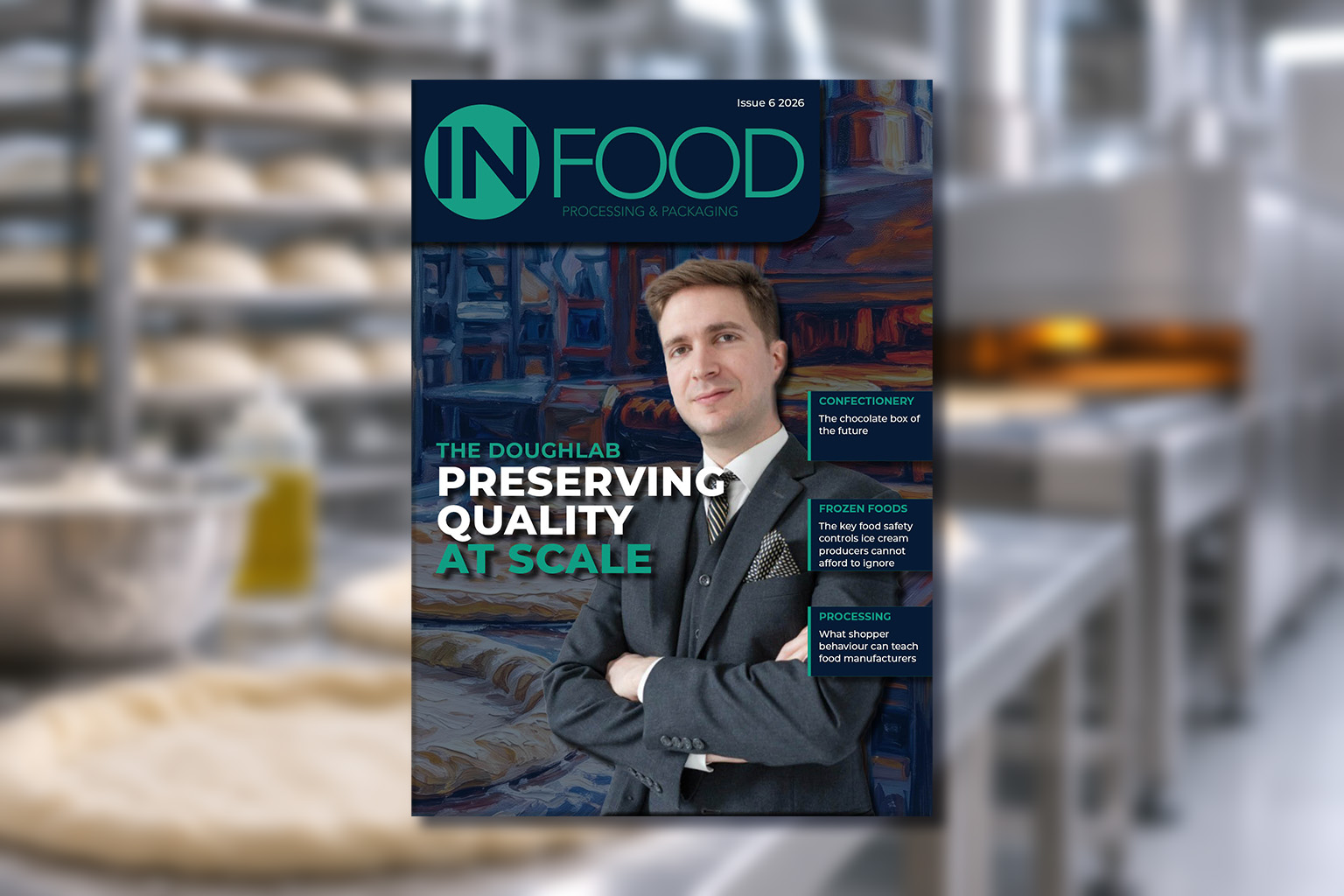
The November 2026 edition of IN Food follows those decisions from product development into production. Cover interviewee Josep Zara, co-founder and CEO of The DoughLAB, explains how 48-hour sourdough fermentation, hand-stretching, and liquid-nitrogen freezing help preserve pizza texture at scale. Retaining manual stretching adds labour and floor space requirements, but protects a characteristic the company considers essential.
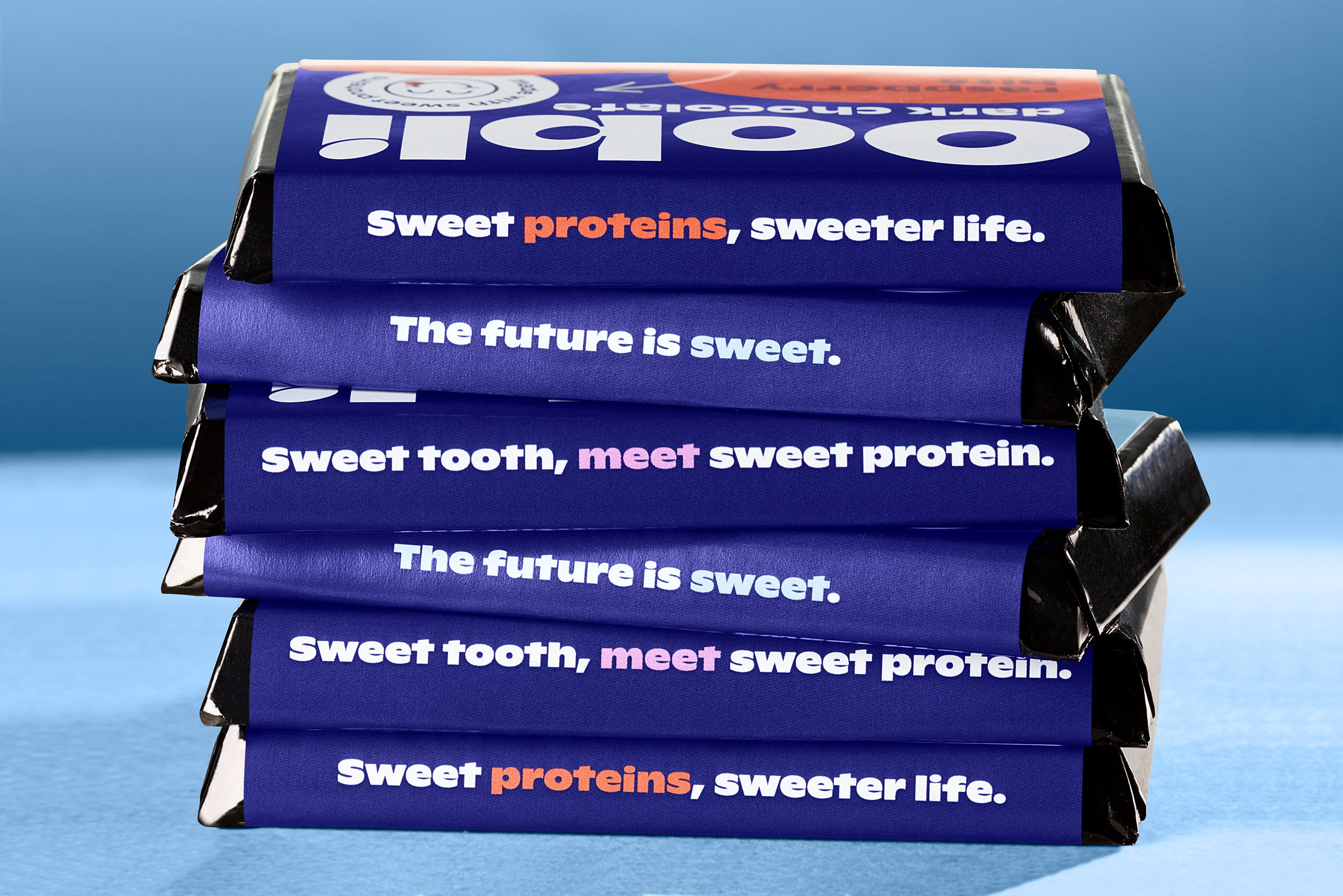
Ingredient substitutions present another challenge. Reddie & Grose examines patents for cocoa alternatives and other chocolate ingredients, while Point74 considers renewed plant-based development and the demands placed on specifications, traceability, and consistency.
At Yeo Valley’s Yoxter Organic Farm, an Oxi-Tech trial explores the use of cold-water sanitation to replace selected hot chemical washes. The Ice Cream Alliance examines temperature, hygiene, and allergen controls, while PRS IN VIVO assesses the relationship between packaging design and shopper behaviour.
Recent equipment investments and new product launches provide the commercial backdrop, with manufacturing capacity and process reliability determining how successfully new products reach the market.