IN Brief:
- Mars plans a £161 million modernisation of its Melton Mowbray pet nutrition plant, continuing through 2031.
- New pouch manufacturing equipment will enable a move to mono-polypropylene formats, alongside optical sorting intended to cut production waste by more than half.
- The programme includes more than 30 skilled roles in its first year and expansion of permanent apprenticeships from 26 to 33 by 2027.
Mars is investing £161 million in its Melton Mowbray pet nutrition factory in Leicestershire, with a modernisation programme extending to 2031. High-speed pouch production lines, optical sorting and utility upgrades are planned for the site, which the company intends to develop as its principal UK factory for pouched pet food. The programme also includes new technical jobs and an expanded apprenticeship cohort, alongside a transition towards mono-polypropylene flexible packaging.
The plant has operated in Melton Mowbray for approximately 75 years and is associated with Whiskas and Pedigree production. Its current output is principally destined for the domestic market: the company and local authorities report that around 95% is supplied to British households, with the remainder exported to other European markets. The factory’s existing product portfolio, geography and long operating history provide a substantial industrial base for the planned upgrades, but the company has not published a new annual tonnage or finished pouch capacity target.
New pouch machinery is intended to enable a move towards packaging made principally from a single polymer family: polypropylene, often abbreviated to mono-PP. Keeping the main flexible structure within one polymer family can make it more compatible with certain recycling processes than mixed-material laminates. However, recyclability depends on the construction of the entire finished pack, its components and local collection and reprocessing arrangements. Mars describes the proposed format as recyclable; that does not establish universal household collection or a measured recycling rate for pouches produced in Melton Mowbray.
Pouch production involves synchronising material feed, product dosing, sealing and inspection at a rate compatible with upstream food preparation. Changing to a mono-PP structure may change how the film handles heat, tension and seal formation, so packaging qualification is needed across the required pouch sizes and recipes. In wet pet food production, material entering a seal area can compromise integrity even when the machine completes a nominal cycle. Mars has not released an equipment supplier, number of new lines, pouch throughput target or validated seal performance figures for the proposed installation.
The new format will also affect procurement and the stages surrounding the pouch lines. Printed substrate supply, roll handling, in-line coding, pack inspection and case packing must all accommodate the selected material and final package dimensions. Changes to any of these operations can require updates to line settings and quality assurance plans, even where filling equipment remains otherwise similar. The company has not detailed how the investment is divided between new machinery and adaptations to existing production systems.
Mars also intends to install smart optical sorting equipment. The company says the equipment is intended to reduce production waste by more than 50%, but has not disclosed the initial waste rate, measurement period or where the inspection stage will be installed. Optical systems classify material from captured visual signals against defined acceptance criteria, with effective separation dependent on suitable lighting, the visibility of defects, and downstream rejection mechanisms. The percentage is an expected reduction rather than verified performance from an operating installation at Melton Mowbray.
Mars also plans utility improvements intended to reduce waste and support modernised factory operations. Utilities and internal logistics must accommodate the demands of manufacturing, packing and cleaning, but no breakdown of the project’s anticipated energy or water savings has been published. A change in packaging line speed can shift bottlenecks to product preparation, holding, inspection or dispatch if those stages are not upgraded together. Mars has not stated which utilities will be replaced, when each will be commissioned, or how the improvements will be measured.
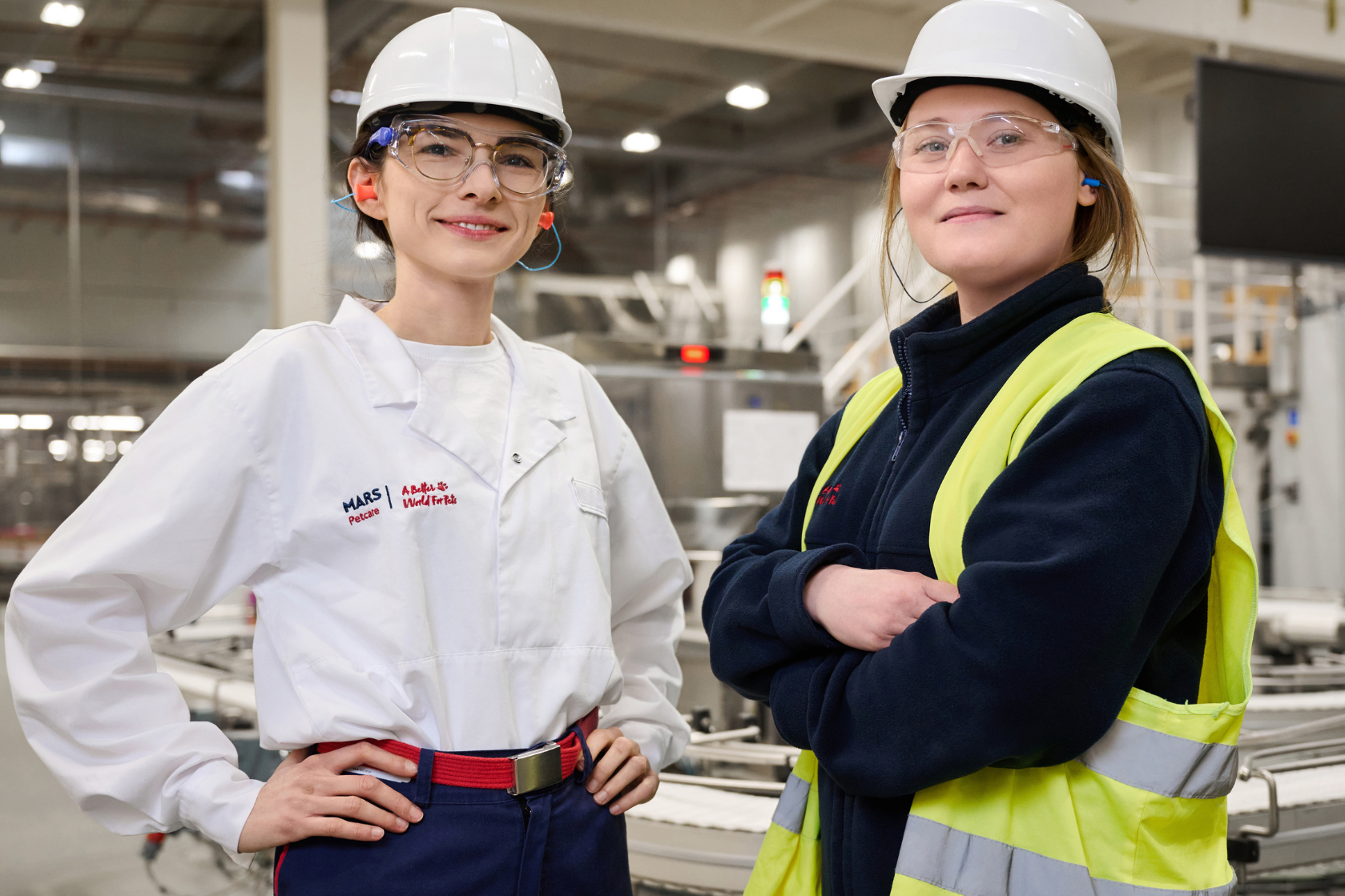
The company expects more than 30 new skilled technical and engineering jobs during the first year of the programme. It will also increase the site’s permanent apprenticeship cohort from 26 to 33 places by 2027. Additional engineering and maintenance capacity will be needed to support equipment installation and routine operation as the upgrade progresses. Mars also runs wider training programmes in digital systems and data analysis, although the company has not connected those courses to specific equipment or staffing arrangements at Melton Mowbray.
The £161 million programme forms part of a wider UK investment total that Mars places at £661 million since 2021. It follows a separate £190 million investment in the Slough chocolate factory and £1.2 million for pet nutrition research facilities in Birstall. The sum committed to Melton Mowbray should not be added to £661 million as though it were separate from the reported cumulative total. Mars has not announced any direct transfer of production from another site, although the programme is intended to consolidate Melton Mowbray’s position within its UK pouch manufacturing network.
With work continuing through 2031, the packaging conversion and targeted waste reduction remain dependent on equipment commissioning and validation. Tested pouch throughput, pack integrity, material recovery performance, and measured waste volumes will establish the practical results. Mars has committed to the investment programme, while the contribution of each upgrade to production output and factory efficiency remains to be demonstrated.