IN Brief:
- Amyris has announced an agreement to acquire Oobli, with completion expected in the coming weeks rather than already confirmed.
- Oobli develops fermentation-derived brazzein, monellin and thaumatin sweet proteins for food and beverage sugar reduction.
- Amyris expects its expanded Barra Bonita fermentation capacity and strain engineering capabilities to support the portfolio, although integration metrics are undisclosed.
Amyris has agreed to acquire Oobli, the developer of fermentation-derived sweet proteins used in sugar reduction, in a transaction announced on 12 November. The companies intend to combine Oobli’s ingredient portfolio with Amyris’ strain engineering and biomanufacturing capabilities, including an expanded fermentation operation in Brazil. Financial terms were not disclosed and closing is expected in the coming weeks. The transaction is therefore an announced acquisition plan, not a completed integration or a new factory commissioning.
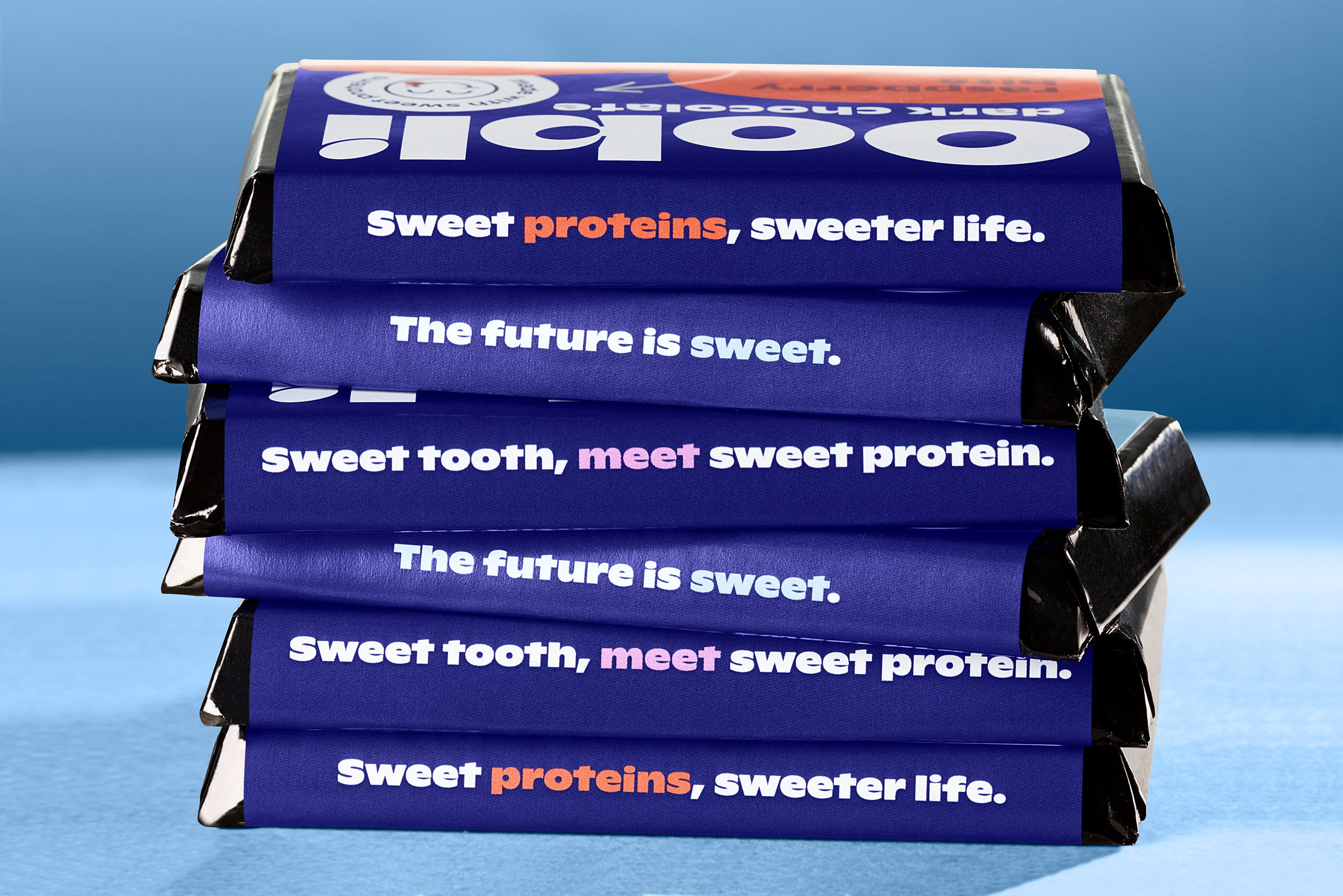
Oobli manufactures sweet proteins associated with rare fruits and berries using fermentation rather than extraction from agricultural crops. Its portfolio comprises brazzein, monellin and thaumatin, marketed under the Oubli Fruit, Serendipity Berry and Katemfe Fruit names. The proteins can trigger sweetness at comparatively low inclusion levels, providing formulators with a route to reduce conventional sugar in selected foods and beverages. Their performance depends on the protein chosen and the processing conditions of the final product.
Sucrose provides more than sweetness, particularly in bakery and confectionery production. It contributes solids, water activity, structure and browning behaviour, while also influencing viscosity and flavour release. A sweet protein used at a much smaller quantity cannot supply all those functions directly; recipes may need separate bulk or textural components when sugar is reduced. Even in drinks, the formulation may require adjustments to acidity, mouthfeel and flavour balance to maintain the intended sensory profile.
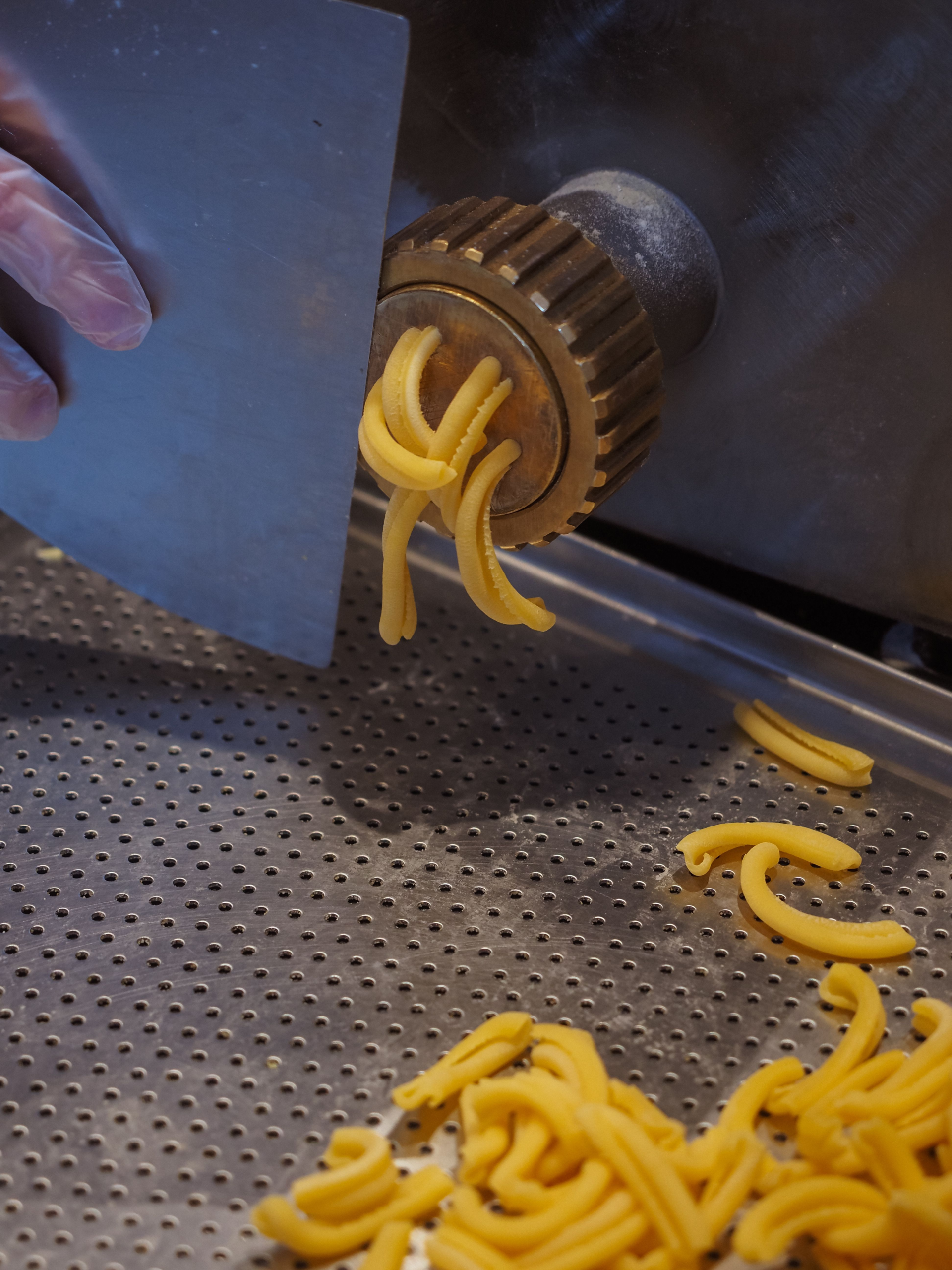
Precision fermentation produces an identified molecule by cultivating an appropriate organism under controlled conditions. Production then requires recovery, purification and verification of the ingredient against a specification suitable for the intended food use. Amyris has not published production yields, host-strain details or commercial process conditions for each Oobli protein in the acquisition information. The announcement therefore does not establish a new cost per kilogram, a manufacturing timetable or a volume commitment for the portfolio.
Amyris expanded capacity at its Barra Bonita fermentation facility in Brazil earlier in 2026 and expects that operation, together with its strain engineering expertise, to support Oobli’s products. Transferring a protein process between facilities may require new validation of organism performance, oxygen transfer, vessel configuration, downstream purification and analytical controls. Capacity that already exists at a fermentation plant is not automatically dedicated to the acquired portfolio, and Amyris has not identified which products will run there or when production might commence.
The company sees potential to apply the combined technology in other industries, including personal care, flavours, fragrances and agriculture, but those are future possibilities rather than disclosed supply agreements. No new customer contract, plant expansion or projected annual protein volume accompanied the announcement. Amyris has said existing Oobli customer commitments and brand partnerships will be maintained through the proposed transition, without publishing a schedule for additional deliveries or a quantified integration saving.
Amyris describes Oobli’s sweet protein portfolio as having US FDA generally recognised as safe (GRAS) status as an ingredient and FEMA GRAS affirmation for flavour uses. Those statements are made by the company and relate to specified US regulatory routes; they are not evidence of approval for every formulation or sale in every country. Food businesses would need to check relevant specifications, use levels, labelling and market requirements. UK and EU regulatory status cannot be inferred from the US position cited in the acquisition announcement.
Protein identity and processing conditions influence practical suitability. Sweetness intensity, flavour onset and persistence, pH stability and resistance to heat can differ between proteins and finished formulations. A cold beverage and a baked product place very different demands on ingredient function, including exposure time and temperature. Product developers would need to establish sensory outcomes and processing losses in the full recipe before assigning a sugar reduction claim to a commercially manufactured food.
Kathy Fortmann, Amyris’ chief executive, has identified Oobli’s fermentation expertise as complementary to the company’s existing manufacturing and commercial capabilities. The intended combination could connect protein discovery and strain development more closely to ingredient production, but its industrial performance has not been quantified. Amyris has disclosed neither plant capacity allocated to Oobli nor verified yield improvements, so increased availability and lower unit cost remain objectives rather than established outcomes.
Completion of the acquisition is the next corporate milestone. The more substantial manufacturing evidence will come from confirmed production allocations, validated process transfers and consistent commercial deliveries of the named sweet proteins. Until Amyris reports those steps, the transaction adds an intended technology and product portfolio to its plans without demonstrating the production gains that would determine how widely the ingredients can be supplied.