IN Brief:
- Wyma Solutions will relocate its European operations from Nučice to an 8,000m² facility in Jeneč, near Prague.
- The building will accommodate vegetable processing equipment manufacturing, engineering, warehousing, and customer support.
- The relocation is scheduled for 21 December 2026, with expanded premises intended to support the company's European installed base.
Wyma Solutions is relocating its European manufacturing and engineering operations to an 8,000m² facility in Jeneč, near Prague, bringing production, project delivery, warehousing and customer support together at a larger industrial site.
The move from the company’s existing premises in Nučice is scheduled for 21 December 2026. The new building at Prologis Park Prague-Airport will become Wyma’s third and largest Czech manufacturing location since it established operations in the country in 2008.
Wyma, part of Fortifi Food Processing Solutions, manufactures equipment used in the handling and processing of vegetables, particularly potatoes, carrots, parsnips and other root crops. Its machinery covers operations including product reception, washing, brushing, polishing, trimming, grading, conveying and packaging.
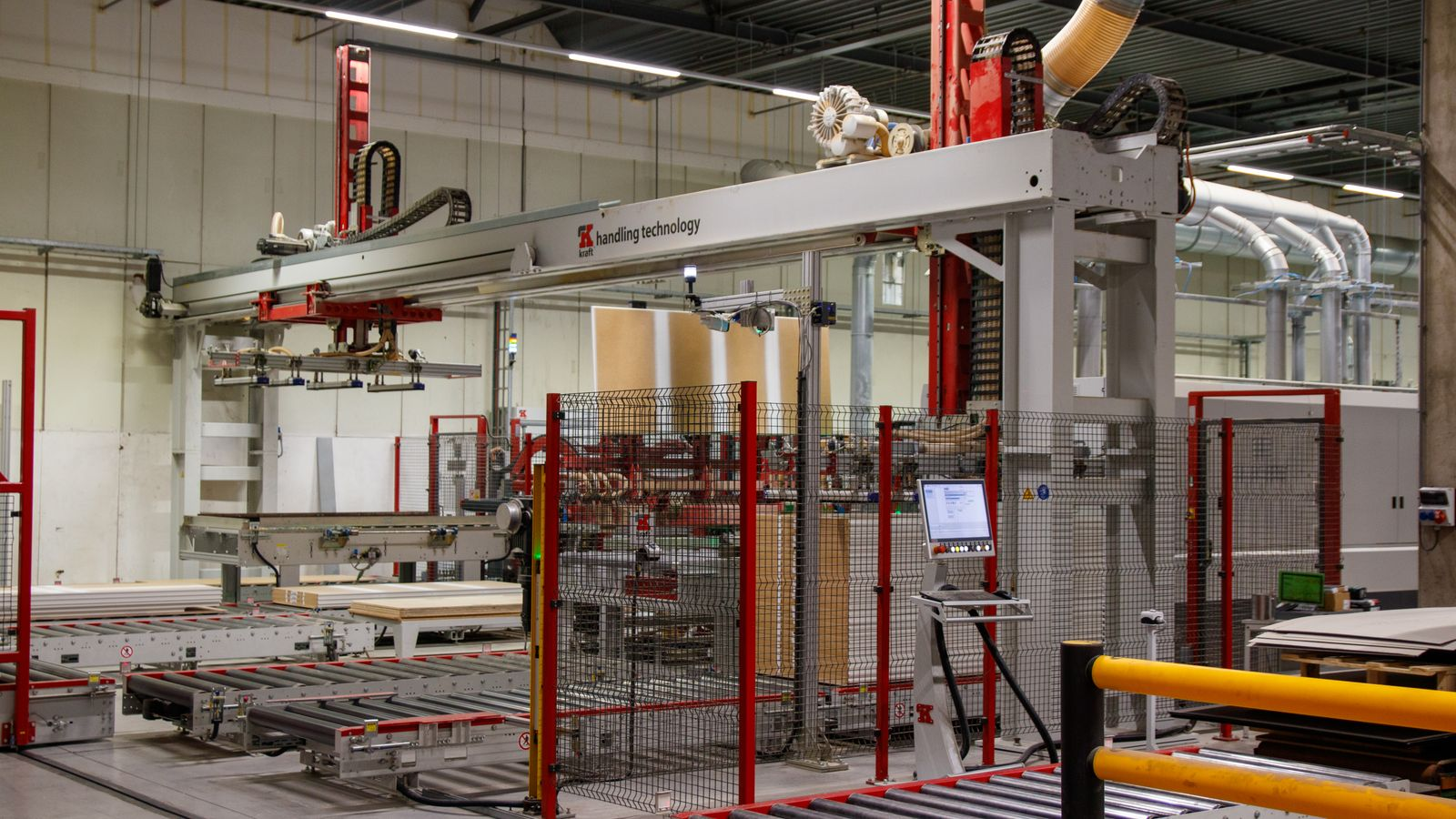
The Jeneč premises will bring manufacturing, engineering, sales, project delivery and warehousing functions into one building. Wyma intends the consolidated arrangement to improve coordination between these activities while expanding the space available for machinery production and spare parts storage.
Fresh produce processing equipment has to accommodate considerable variation in the materials entering a production line. Crop size, shape, soil contamination, surface condition and moisture content can change between deliveries, affecting how vegetables respond to washing, polishing and other treatment stages.
Mechanical handling must remove unwanted material without creating excessive bruising, abrasion or other product damage. The relationship between processing intensity and product condition can influence the proportion of incoming produce that meets the requirements for sale or further manufacturing.
Wyma’s equipment portfolio includes machines that perform individual operations as well as complete processing lines combining several stages. Integrating those systems requires careful consideration of product movement, throughput, water use, mechanical treatment and the inspection requirements associated with each crop.
A washing machine may have sufficient capacity to process the expected incoming volume, but its practical output can be constrained by subsequent grading or packaging equipment. Line design must therefore account for how the stages operate together rather than relying only on the nominal capacity of individual machines.
Vegetable processing lines also require flexibility when crop conditions change. The amount of soil and other foreign material present in an incoming batch can influence washing requirements, while differences in product size affect how vegetables are distributed and handled by conveyors and grading equipment.
These variations place demands on the manufacturer’s mechanical and control engineering. Equipment must provide adjustable operating conditions while maintaining safe product movement and allowing maintenance teams to access components exposed to water, soil and abrasive materials.
Wyma’s Vege-Polisher range provides an example of its established equipment technology. The machines use rotating brush systems to treat the surface of vegetables, with operating settings selected according to the crop and the required level of cleaning or polishing.
The company reports more than 850 Vege-Polisher installations across over 40 countries since the mid-1990s. That installed base creates continuing demand for maintenance services, replacement components and technical support alongside the manufacturing of new equipment.
Spare parts availability is especially important for operations working with seasonal or perishable produce. Equipment downtime can disrupt production schedules when incoming crops have limited storage life or when harvested volumes must be processed within a relatively short period.
The new facility includes dedicated warehouse space intended to support parts availability and after-sales operations. Consolidating storage with engineering and production may simplify the handling of specialist components, although Wyma has not published quantified targets for delivery times or maintenance response following the move.
Wyma has also been developing automation systems that use optical recognition to support vegetable processing. Its Optical Vege-Trimmer, recognised at the 2026 UK FPC Fresh Awards, uses machine vision to identify the appropriate trimming position for individual vegetables.
Such systems must account for variations in product geometry rather than applying an identical cutting position to every item. The information generated by cameras and recognition software is used to determine where the cutting equipment should act, allowing the process to adjust to differences between individual vegetables.
The resulting machinery combines optical inspection, software and mechanical cutting systems. Development and manufacture consequently require coordination between disciplines that have traditionally been treated as separate areas of equipment engineering.
Bringing engineering and manufacturing teams into the same facility can support the transfer of design changes into production. However, the benefits will depend on the organisation of the manufacturing operation and the ability to coordinate purchasing, assembly, testing and project delivery.
Project commissioning is another substantial part of the equipment supplier’s responsibilities. A new processing line must be installed within the customer’s available factory layout, connected to the required utilities and control systems, and tested using the products it will actually handle.
Those tests establish whether the equipment delivers acceptable throughput and product handling performance under site conditions. Differences between laboratory trials and commercial production can require adjustments to conveyor speeds, treatment settings, machine interfaces or other operating parameters.
The Jeneč building has achieved a BREEAM Outstanding rating, the highest classification within the relevant building assessment system. Its location near Václav Havel Airport Prague and the D6 highway also provides transport connections for equipment movements and the company’s European service activities.
Wyma’s European management has identified the relocation as a means of supporting existing customers and further business development. The company also maintains a UK presence in Norfolk, providing local commercial and technical support to the British market.
The financial value of the relocation has not been disclosed, and Wyma has not published an increase in annual machinery output or the number of additional manufacturing employees associated with the project. The development is therefore best characterised as an operational consolidation with expanded infrastructure rather than a quantified capacity increase.
The December relocation will bring several activities supporting the company’s European machinery business into one larger site. Its practical contribution will be reflected in equipment delivery performance, project execution and the availability of engineering and spare parts support for the installed machinery operating across European food processing facilities.