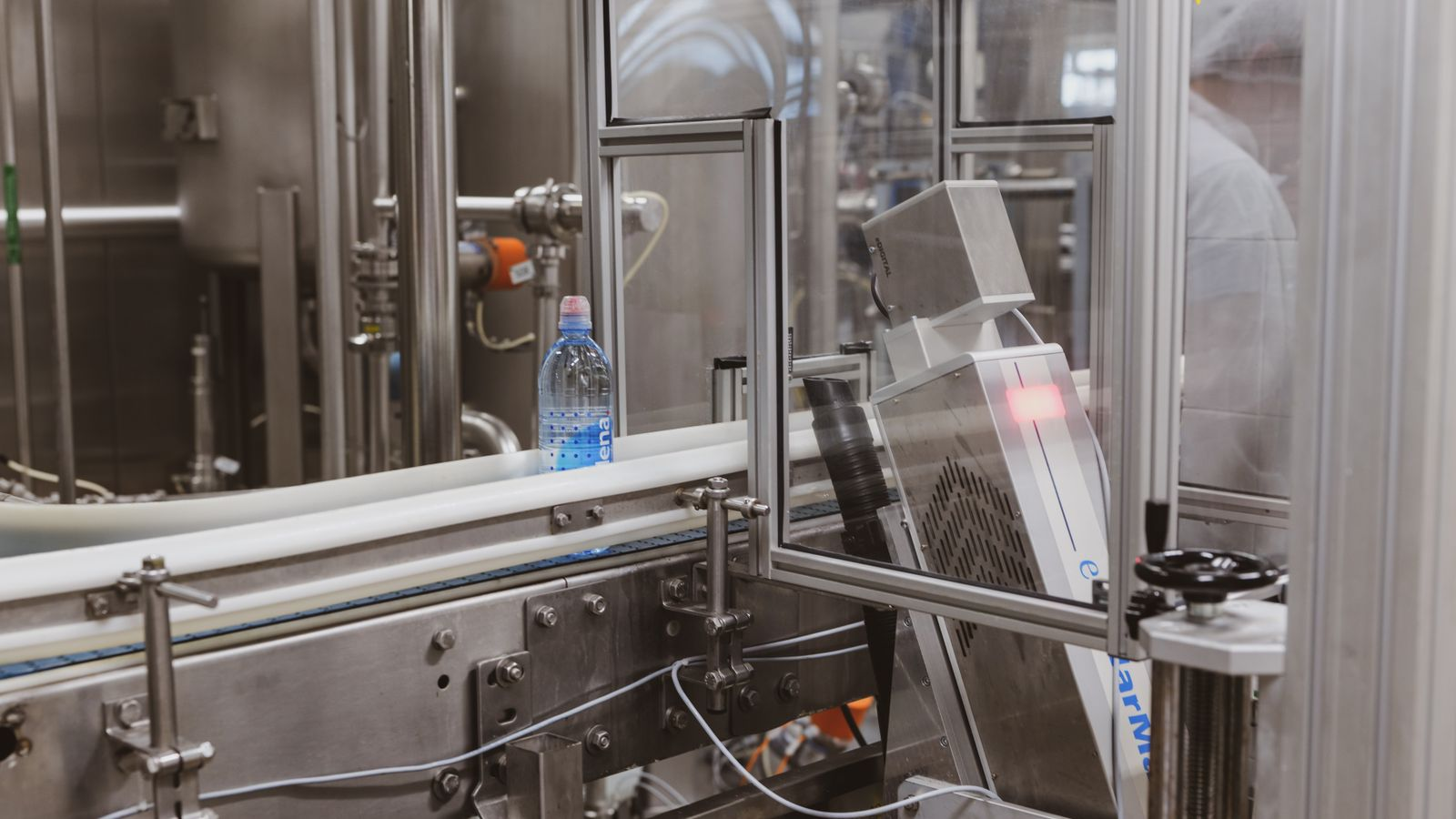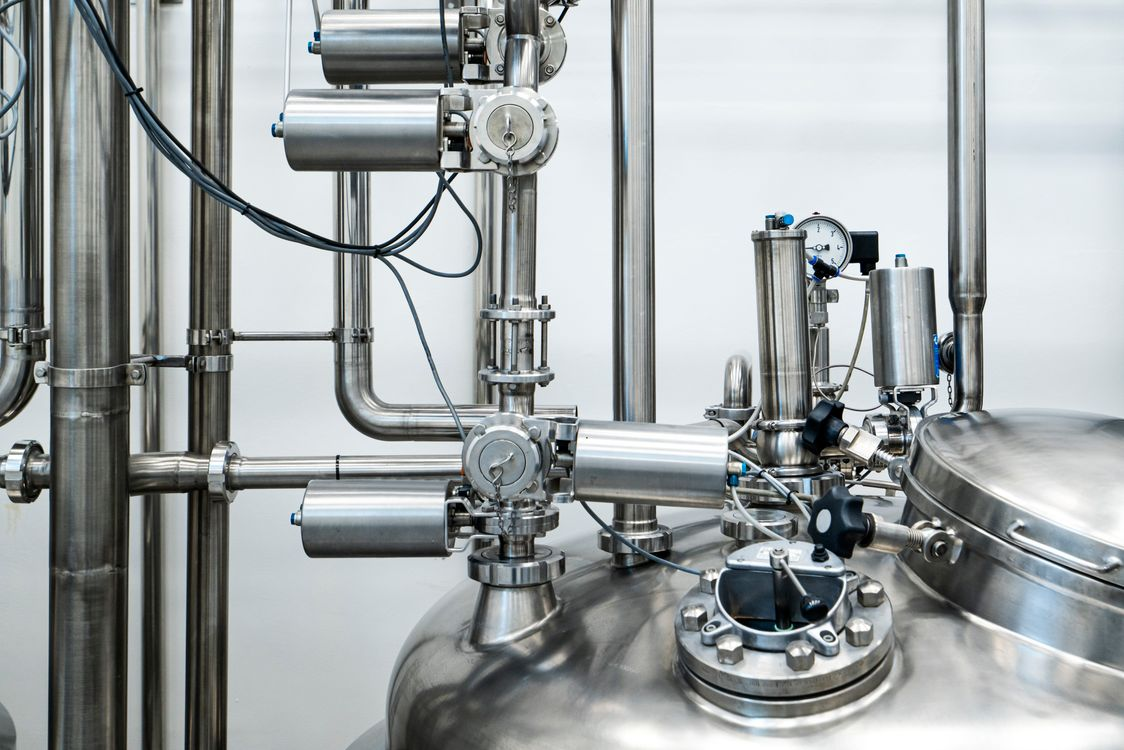
IN Brief:
- Cannon Bono's new industrial heat pump range covers thermal outputs from 300 kW to 4 MW in a single stage.
- Published steam models use waste heat at about 90°C to produce steam at 115°C and 1.7 bara.
- A reference installation produces 1,200 kg of steam per hour with a reported coefficient of performance of 5.25.
Cannon Bono has introduced a range of industrial heat pumps designed to recover waste heat and return it to production as hot water or process steam. The systems cover thermal outputs from 300 kW to 4 MW in a single stage, with claimed coefficients of performance from 2 to above 6 depending on operating conditions.
For food and beverage plants, the opportunity lies in using heat that would otherwise leave the process through refrigeration, cooling water or another thermal circuit. A heat pump raises the temperature of that recovered energy by using electricity to drive a compressor, meaning the useful output contains both the recovered heat and the electrical input rather than relying on electricity alone to generate the full thermal load.
This is why coefficient of performance, or COP, is central to the economics. A COP of 5 means one unit of electrical input supports about five units of thermal output under the stated conditions. The figure falls or rises according to source temperature, required delivery temperature and compressor configuration, with larger temperature lifts generally requiring more electrical work.
Cannon Bono’s published steam models show how that relationship translates into plant design. Its HTHP units use waste heat at about 90°C to produce steam at 115°C and 1.7 bara in a single stage, with listed thermal outputs from 500 kW to 2 MW and electrical demand from 96 kW to 390 kW. Higher steam pressures and outputs can be achieved through several stages, although each additional temperature lift affects efficiency and system complexity.
The company has already applied the steam configuration at Cartiere di Guarcino in Italy, where an HTHP 750/S recovers heat from cogeneration cooling circuits. The installation produces 1,200 kg of steam per hour at 115°C and 1.7 bara, delivering 741 kW of thermal output from 141 kW of electrical input for a reported COP of 5.25. Although the reference is in paper manufacturing, it demonstrates the underlying steam duty under operating conditions rather than at pilot scale.
Food plants present similar opportunities because heating and cooling often occur simultaneously. Refrigeration systems can reject substantial heat while boilers supply cooking, pasteurisation, washing or other process duties elsewhere on site. Recent food manufacturing heat recovery projects have shown that the decisive factor is not simply whether waste heat exists, but whether its temperature, timing and quantity match a useful demand closely enough to justify the integration.
That matching exercise also determines whether a heat pump should replace or supplement existing steam generation. Cannon Bono’s systems can operate alongside conventional steam generators, allowing recovered heat to cover suitable base demand while another generator supplies higher pressure duties, short peaks or periods when the recoverable source is unavailable. This hybrid arrangement avoids forcing every thermal load onto equipment that may be optimised for only part of the plant’s operating envelope.
Controls become more important as soon as the two systems share demand. Steam use can change with batches, cleaning cycles and shift patterns, while recoverable heat may follow refrigeration load or another process that moves on a different schedule. A workable installation therefore needs controls that decide when the heat pump should run, when conventional generation should take over and how to avoid one system working against the other.
Food production adds reliability requirements because utility failures can stop cleaning, cooking or pasteurisation even where the heat pump does not contact product directly. Backup capacity, maintenance access and isolation arrangements have to be incorporated from the outset, while refrigerant selection must support the required temperatures and pressures within the plant’s safety and environmental constraints. Cannon Bono says the range uses refrigerants with zero ozone depletion potential and global warming potential below five.
The commercial case ultimately depends on the site’s own heat balance rather than the nominal efficiency of the equipment. Manufacturers must compare electricity consumption with the fuel and boiler efficiency that would otherwise provide the same heat, then account for operating hours, waste heat stability, maintenance and local energy tariffs. A plant with a steady source and continuous low pressure steam demand can make much stronger use of the technology than a site where both occur intermittently.
Cannon Bono’s new range widens the temperature and capacity envelope available for that analysis, but it does not remove the need to design around the actual process. Where heat source and demand align, the equipment can turn a rejected thermal stream into a productive utility and reduce boiler load without requiring the factory to rebuild every steam duty around a single technology.