IN Brief:
- Cargill will become the fourth cocoa processing partner in Tony's Open Chain, alongside Barry Callebaut, Baronie & Cémoi and Natra.
- The agreement separates cocoa sourcing and monitoring responsibilities from the industrial processing carried out for participating customers.
- A pilot is planned to reach the market in 2027, with wider customer availability expected in 2028.
Cargill is joining Tony's Open Chain as its fourth cocoa processing partner, expanding the programme's industrial processing network and creating another route for chocolate manufacturers to source ingredients produced under its cocoa sourcing principles.
The partnership combines Cargill's processing infrastructure and customer relationships with the sourcing arrangements established by Tony's Open Chain. A pilot is planned to reach the market in 2027, with wider customer availability expected during 2028. The organisations have not disclosed the processing volumes or financial commitments associated with the initial phase.
The arrangement is intended to allow eligible Cargill customers to participate in Tony's Open Chain without necessarily changing their existing chocolate supplier. This could simplify adoption for businesses that already purchase chocolate or cocoa ingredients through Cargill, provided their products and purchasing arrangements meet the programme's requirements.
Tony's Open Chain works with cocoa cooperatives and farming communities in Côte d'Ivoire and Ghana. Its model is based on five sourcing principles covering traceable cocoa, higher prices, long-term commitments, support for stronger farming businesses, and improvements in quality and productivity. The principles are intended to address structural problems involving poverty and exploitation in cocoa production.
The programme retains responsibility for working directly with partner cooperatives and implementing and monitoring those principles. Cargill will use its technical capabilities and manufacturing infrastructure to process cocoa sourced through the programme into cocoa and chocolate products for participating businesses, known as Mission Allies.
The distinction separates agricultural sourcing responsibilities from industrial ingredient manufacture. The sourcing programme establishes commercial commitments and traceability requirements, while the processor converts cocoa into products that must meet the technical specifications of chocolate manufacturers.
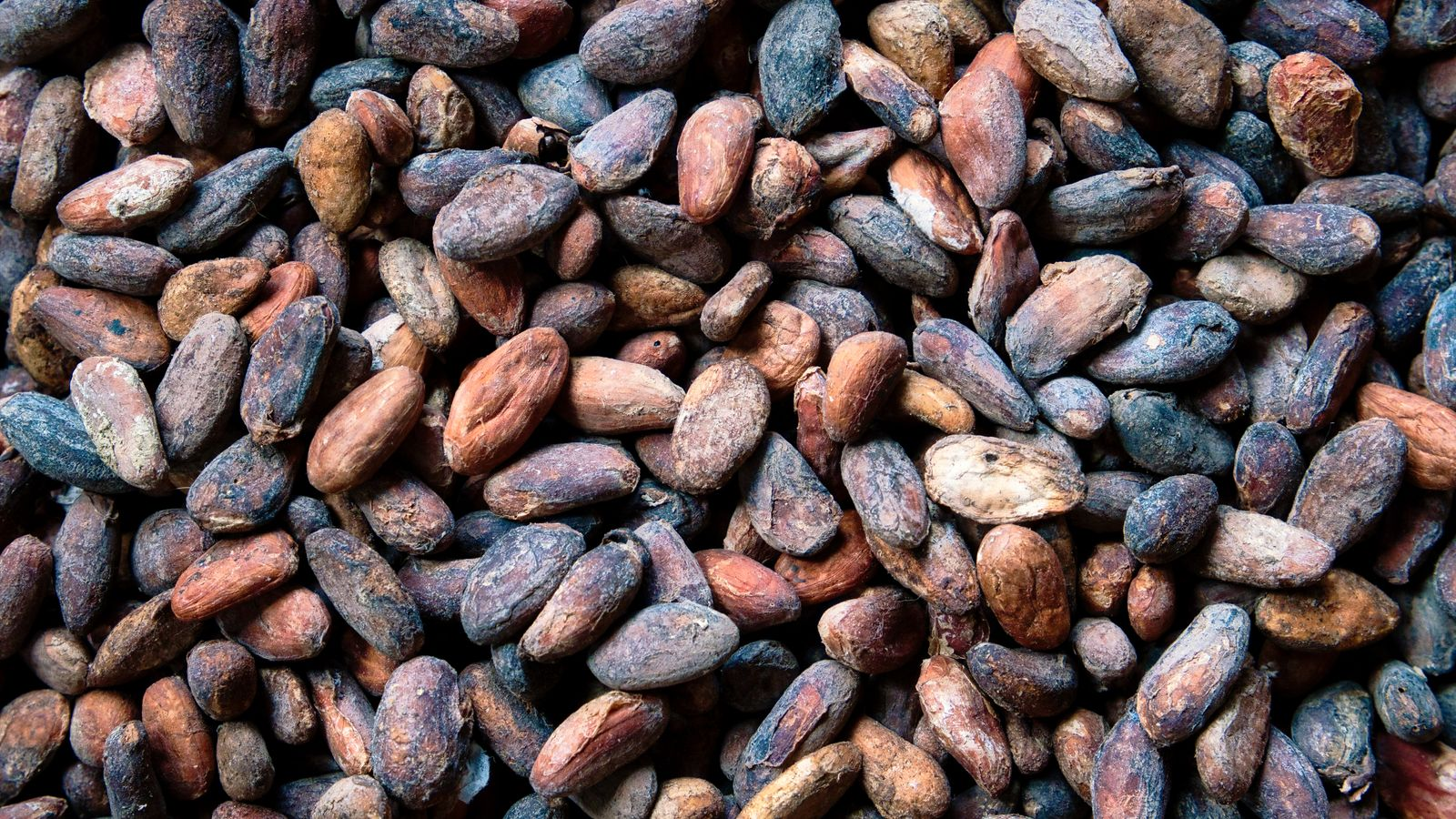
Cocoa processing begins with a raw material whose composition can vary according to growing conditions, fermentation, drying and storage. Beans entering a factory require cleaning and other preparation before roasting and subsequent processing, with quality controls needed to manage material differences between incoming lots.
Roasting develops flavour characteristics while reducing moisture and contributing to the microbiological controls applied within cocoa processing. The roasted material is subsequently broken and winnowed to separate the shell from the nib, which can then be ground to produce cocoa liquor.
Depending on the required finished ingredient, further processing may separate cocoa butter from cocoa solids or involve the manufacture of chocolate and couverture. Grinding, refining and other operations determine characteristics such as particle size, composition and rheological behaviour, which affect how the ingredients perform in downstream confectionery manufacture.
Chocolate producers need dependable material specifications because changes in ingredient properties can alter mixing, pumping, tempering, depositing and coating operations. A sourcing arrangement therefore has to satisfy commercial and traceability requirements without compromising the consistent supply of ingredients required by industrial production lines.
Cargill's participation creates an additional processing option within Tony's Open Chain. The existing partners are Barry Callebaut, Baronie & Cémoi and Natra, each providing routes through which participating brands can obtain cocoa ingredients under the programme.
Adding another processor can broaden access to manufacturing capabilities and customer relationships, although the specific capacity available through Cargill will depend on the facilities, products and volumes included in the partnership. The initial announcement does not identify which Cargill plants will process the cocoa or establish the range of ingredient specifications available through the pilot.
Maintaining an existing processing relationship may reduce some of the practical changes involved in switching sourcing arrangements. A manufacturer that already uses an approved chocolate supplier has established purchasing procedures, product specifications and production records, while a change of supplier can require additional trials and commercial qualification.
Participation in Tony's Open Chain will still require the appropriate purchasing commitments and traceability arrangements. Existing commercial relationships do not automatically establish that every cocoa product supplied by a processing partner meets the programme's sourcing conditions.
The programme's higher-price principle includes payment of a Living Income Reference Price for cocoa sourced through its arrangements, incorporating applicable certification premiums. Its other principles address long-term relationships with cooperatives, agricultural skills, productivity and traceability across the supply chain.
Implementation requires records linking cocoa procurement to the participating cooperatives and the relevant purchasing arrangements. Processing and distribution systems must also be capable of supporting whatever material tracking and accounting requirements apply to the products supplied through the programme.
These controls are different from the routine food safety and quality procedures used to ensure a cocoa ingredient meets its manufacturing specification. Traceability can serve both purposes, but evidence about product quality and evidence supporting social or environmental sourcing claims are not interchangeable.
Tony's Open Chain will continue to manage the sourcing programme and its monitoring activities rather than transferring those responsibilities to Cargill. The processor's contribution will be concentrated on converting eligible cocoa into ingredients and supplying those products to participating customers through its established commercial operations.
The partnership is expected to progress through a pilot before wider availability. During that period, the organisations will need to establish the practical arrangements governing procurement, processing, product specifications and the commercial commitments of customers choosing to participate.
The planned 2028 expansion remains a target rather than a confirmed production volume. Neither organisation has announced the quantity of cocoa expected to pass through Cargill's facilities or identified a particular number of manufacturers that will join the programme.
Additional processing capacity can make the sourcing model accessible to more businesses, but the extent of any improvement in farming conditions will depend on actual purchasing volumes and the implementation of the programme's principles. Those outcomes cannot be determined from the processing agreement alone.
The 2027 pilot will provide the first opportunity to assess how Tony's Open Chain's procurement arrangements operate through Cargill's commercial chocolate supply network. Wider availability is expected to follow in 2028, subject to the development of the partnership and customer demand.