
Category: Features
-
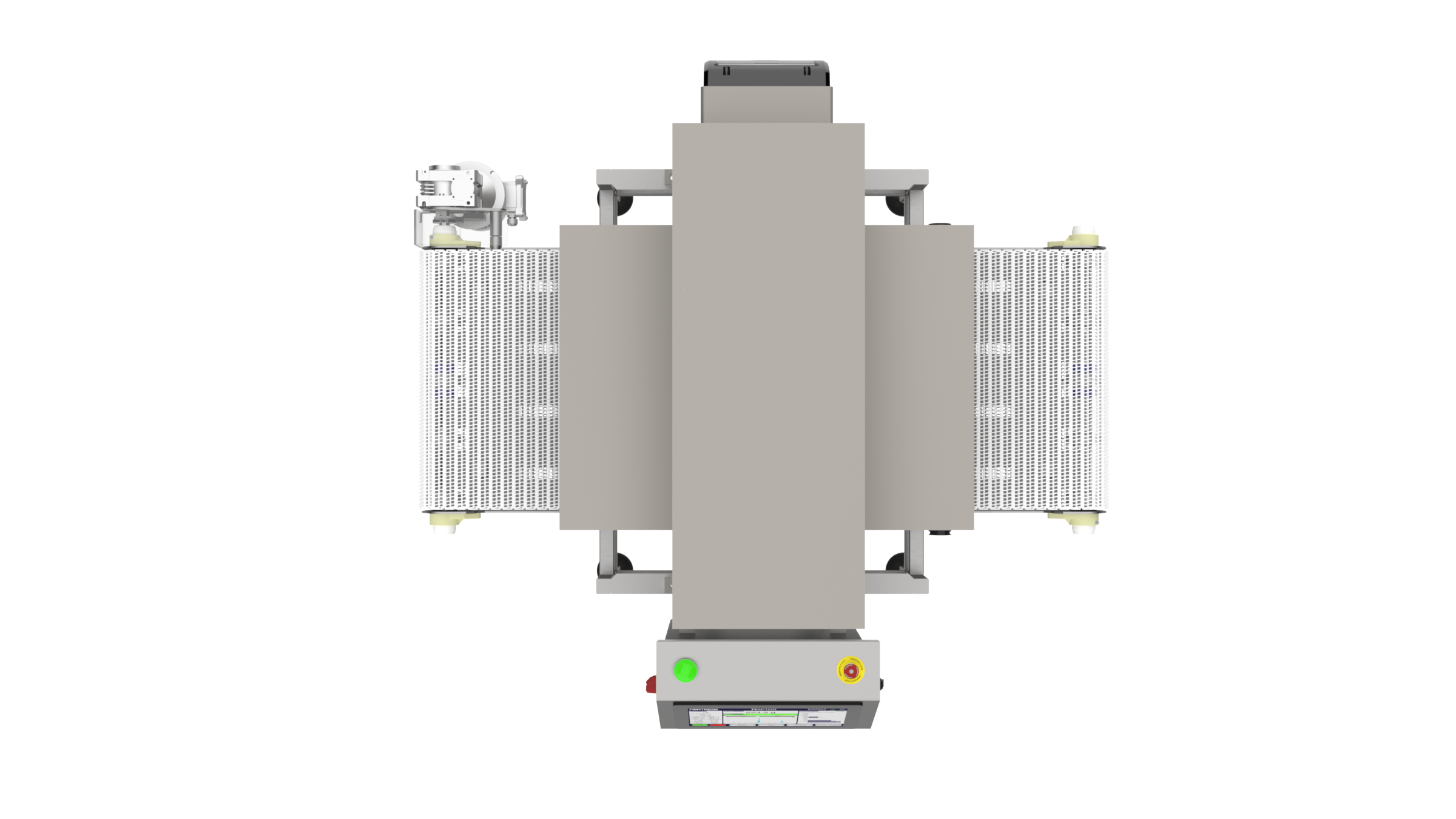
Large-format food lines can conceal costly waste, compliance, and recalls. In this feature, Phil Brown, Sales Director at Fortress Technology Europe, explains how integrated metal detection and checkweighing can reduce giveaway, improve traceability, and protect margins in high-volume food processing.
-
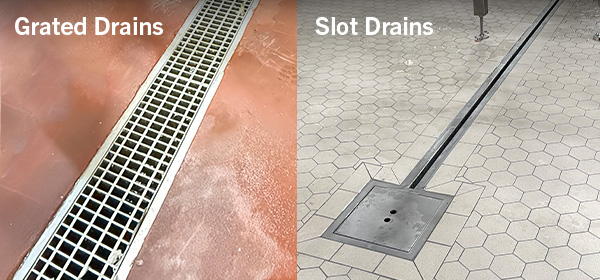
Poorly designed drains remain a persistent contamination risk in plants. This contributed feature examines sanitary drainage design in food and beverage facilities, from layout and materials to installation details that affect hygiene, maintenance, and operational resilience.
-
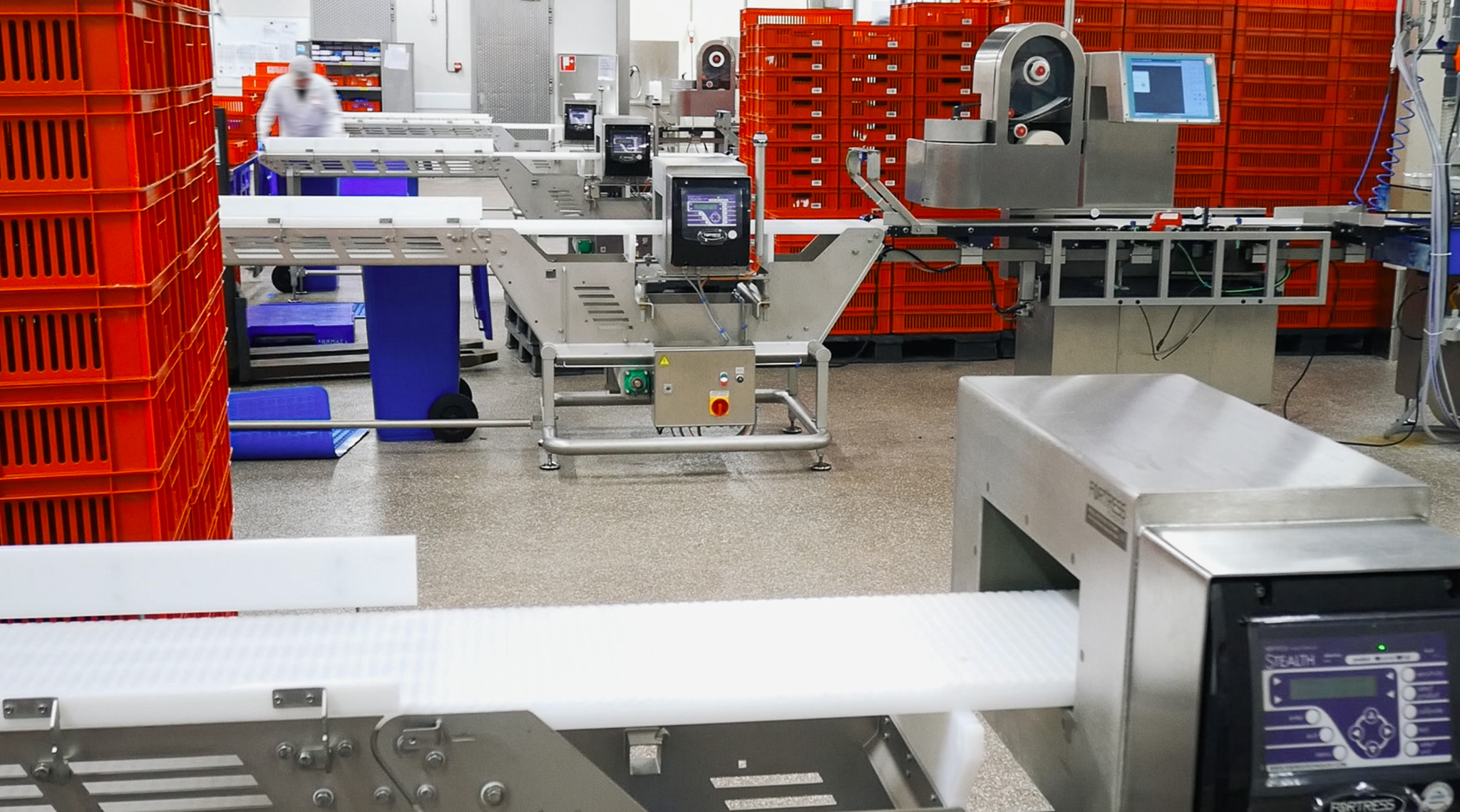
Cleanability is becoming central to food equipment buying decisions today. As labour shortages and tighter sanitation demands reshape food production, hygienic design is moving from compliance detail to operational priority.
-

February forced food manufacturers to price packaging compliance properly again. UK EPR fees were confirmed, DRS logo requirements pushed artwork decisions, and EU packaging and chemical rules kept tightening. Recycled-content accounting shifted, while a high-profile infant formula contamination episode refocused attention on ingredient risk.
-

Food inflation is easing, but manufacturers are not breathing yet. January’s 3.6% annual rate is a far cry from early-2023’s near-19% surge, but it lands on supply chains with thinner margins, pricier labour, and a renewed exposure to commodity volatility and weather-linked disruption.
-
January tightened the screws on food manufacturing compliance in Europe. UK HFSS advertising limits took effect, PFAS timelines for EU food-contact packaging hardened, and producer responsibility costs moved closer. Meanwhile, big bets on barrier materials, cocoa volatility, and coffee consolidation reset 2026 priorities.
-
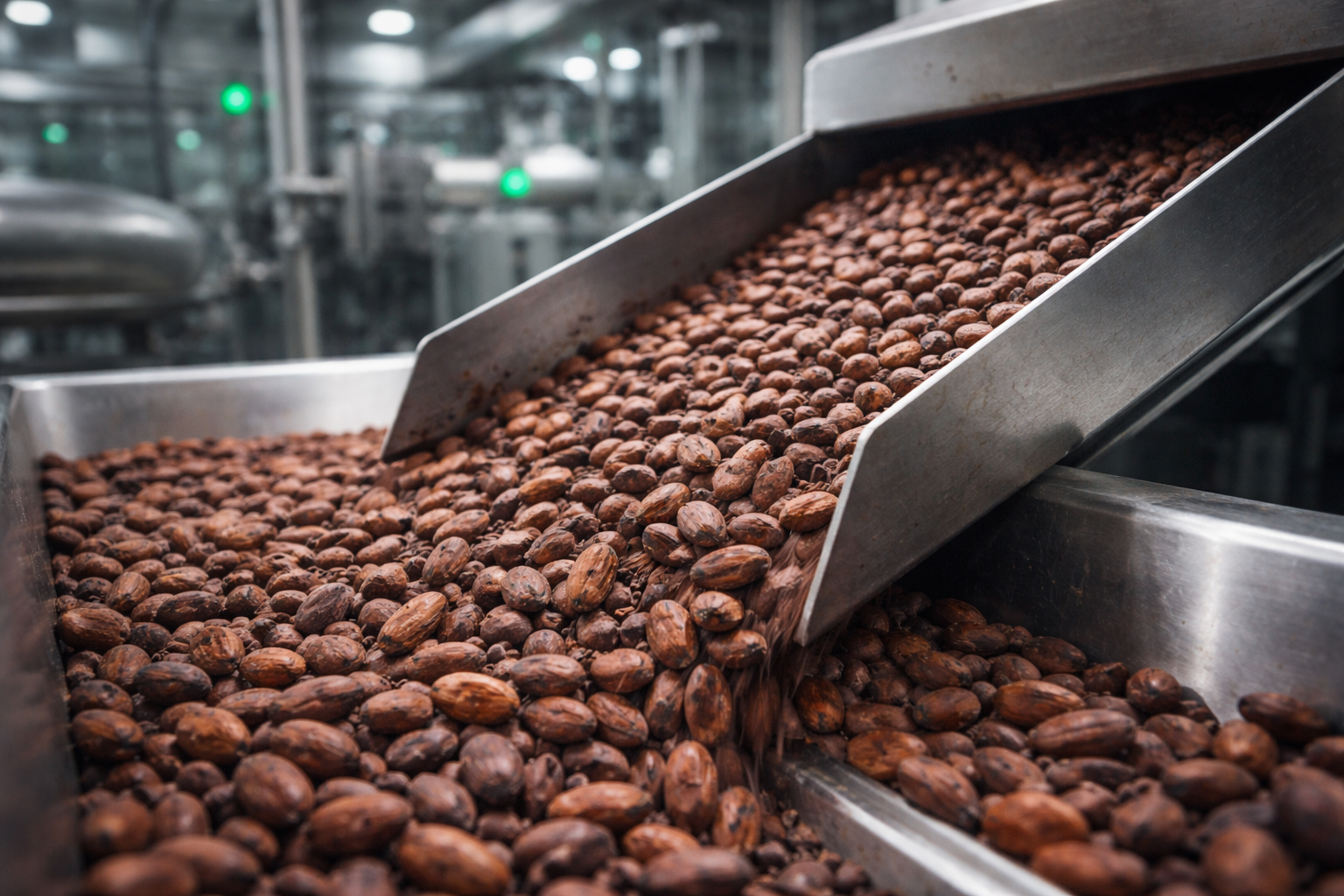
Cocoa prices eased in January, but long-term volatility persists globally. ICCO’s composite daily price fell from $5,984/tonne on 5 January to $5,103/tonne on 14 January, yet manufacturers are still treating cocoa as a high-risk input as EU deforestation compliance clocks keep ticking.
-

Freeze-dried sweets are moving from novelty to wholesale necessity fast. Texture-led confectionery is becoming a “must-stock” trend, with social media demand and impulse-friendly formats pulling freeze-dried lines into more mainstream retail ranging.