
Category: Confectionery
-
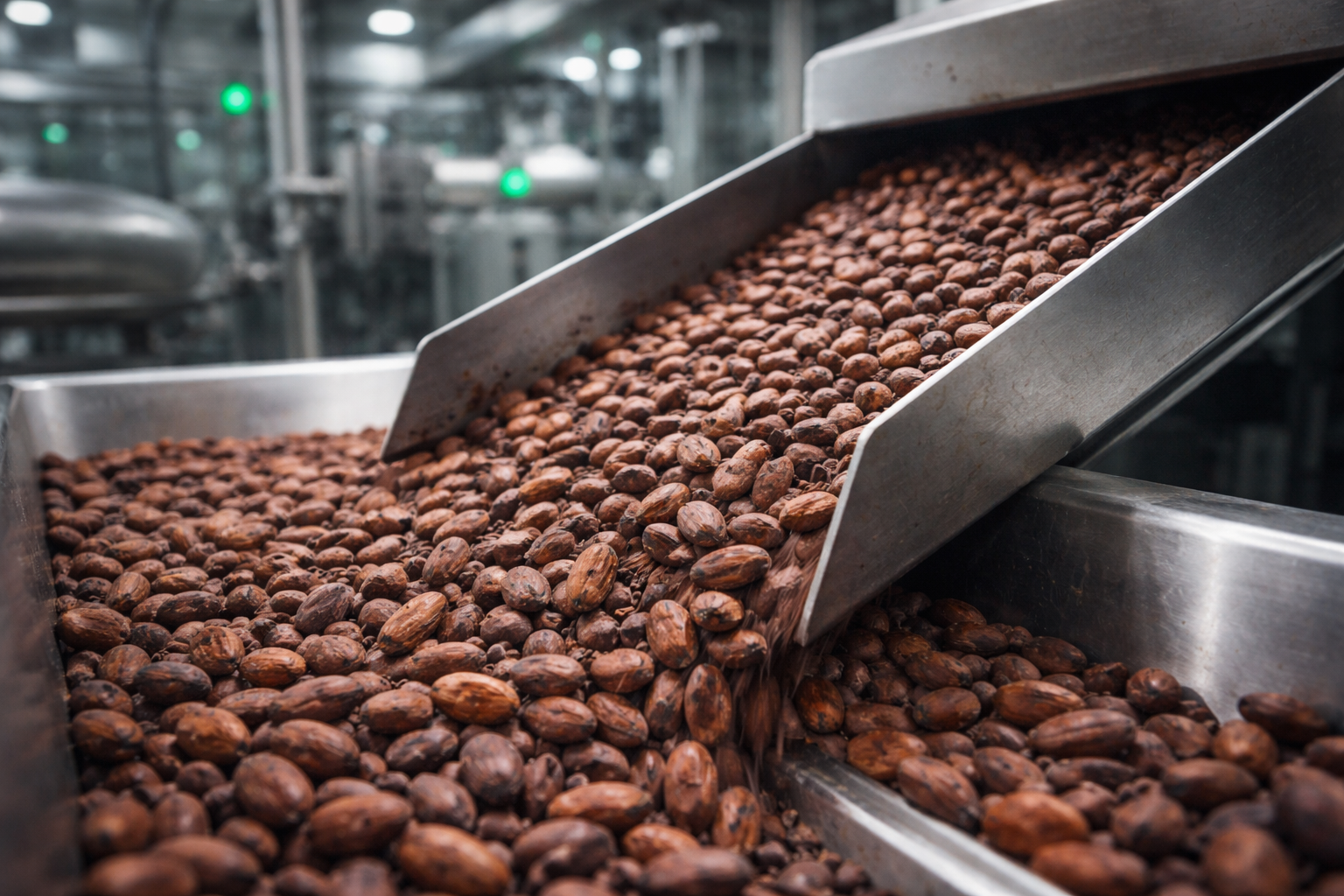
Reading researchers have produced chocolate using cocoa grown entirely locally. The university trial followed beans through fermentation, drying, roasting, grinding, formulation, and final chocolate production using its Berkshire cocoa collection.
-

Bon Bons has recalled chocolates containing undeclared milk and soya. Multiple products and date codes are affected, renewing scrutiny of specifications, artwork approval, allergen verification, and finished product release.
-

Mondelēz faces weaker European demand alongside continued cocoa market pressure. Regional sales, weather, and uncertain crop conditions are intensifying work on pricing, recipes, packaging, and factory utilisation.
-

TopGum is widening functional gummy development around cognition and vision. Five concepts combine botanicals, carotenoids, vitamins, fibre, and creatine.
-

Nestlé is extending KitKat’s sharing range with two variants nationally. Milk Chocolate and Brownie bars will launch from August.
-
Nestlé returned to volume growth while major commodity pressures persisted. Cocoa, coffee, tariffs, recalls, and restructuring continued weighing on margins.
-

Lindt faces a new US lawsuit over cocoa sourcing statements. The company denies allegations that its child labour and human rights commitments misrepresent conditions within parts of its supply chain.
-
European confectionery exporters are pressing for lower Thai market barriers. CAOBISCO wants tariff reductions, workable origin rules, and improved ingredient access within a proposed EU-Thailand free trade agreement.
-
Lindt’s growth relied heavily on double digit product price increases. European sales weakened as cocoa costs, consumer caution, tourism disruption, and reduced volume tested the limits of premium chocolate pricing.
-
Nestlé will end production at Hungary’s Diósgyőr confectionery factory permanently. Declining seasonal chocolate demand has prompted sale discussions and the transfer of affected products to an independent manufacturer.