
Category: Ingredients
-
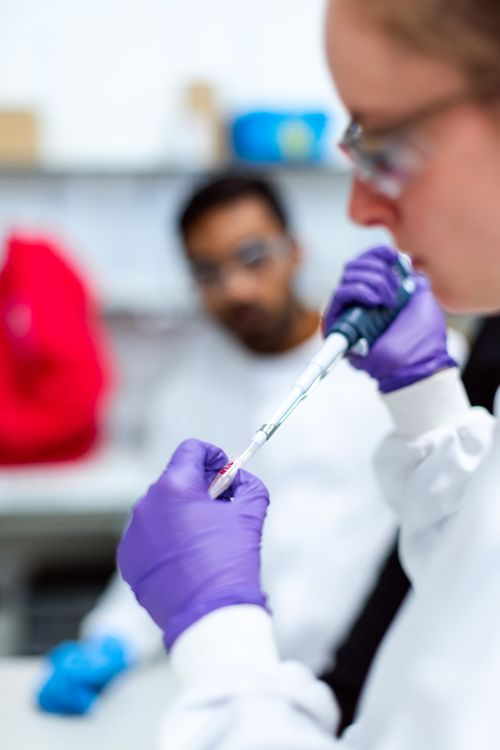
Leeds researchers have identified hundreds of potential plant-protein emulsifier ingredients. Their computational screening method narrows millions of possible proteins before laboratory testing, with pea and potato proteins among the candidates already shown to perform as predicted.
-

Prosur will showcase clean-label ingredient systems at Jakarta’s FI Asia. The company is positioning its existing Get It Natural toolbox around additive reduction, fermentation, sweetening, and cocoa replacement for manufacturers facing changing formulation requirements.
-

The FSA is advancing three CBD novel food authorisation applications. Proposed conditions cover a 10mg daily intake, mandatory warnings, controlled-cannabinoid limits, and defined permitted uses before ministers make final decisions.
-

Barry Callebaut and Arla have launched a dairy decarbonisation partnership. The three-year programme links UK skimmed milk powder sourcing with farm-level carbon data, farmer incentives, and Scope 3 reporting.
-
Novonesis will invest €600 million in Indian enzyme production capacity. The Patalganga expansion is due online in 2030 and will serve food, beverage, biofuel, and household-care customers across growing regional markets.
-
Wageningen has secured funding to turn agricultural side-streams into proteins. The six-year VASCO programme combines separation, fermentation, product development, consumer research, and commercial work around underused crop residues.
-
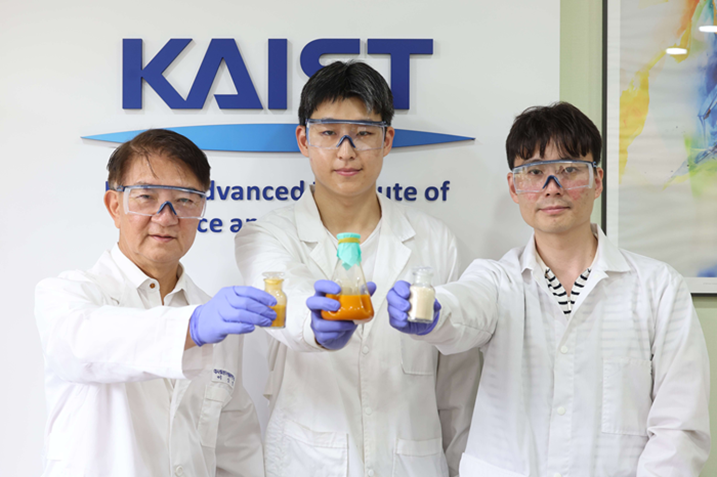
KAIST researchers have mapped barriers to industrialising microbial food production. The study argues that manufacturing readiness, downstream processing, market entry, and regulatory predictability will decide which fermentation technologies reach commercial scale.
-
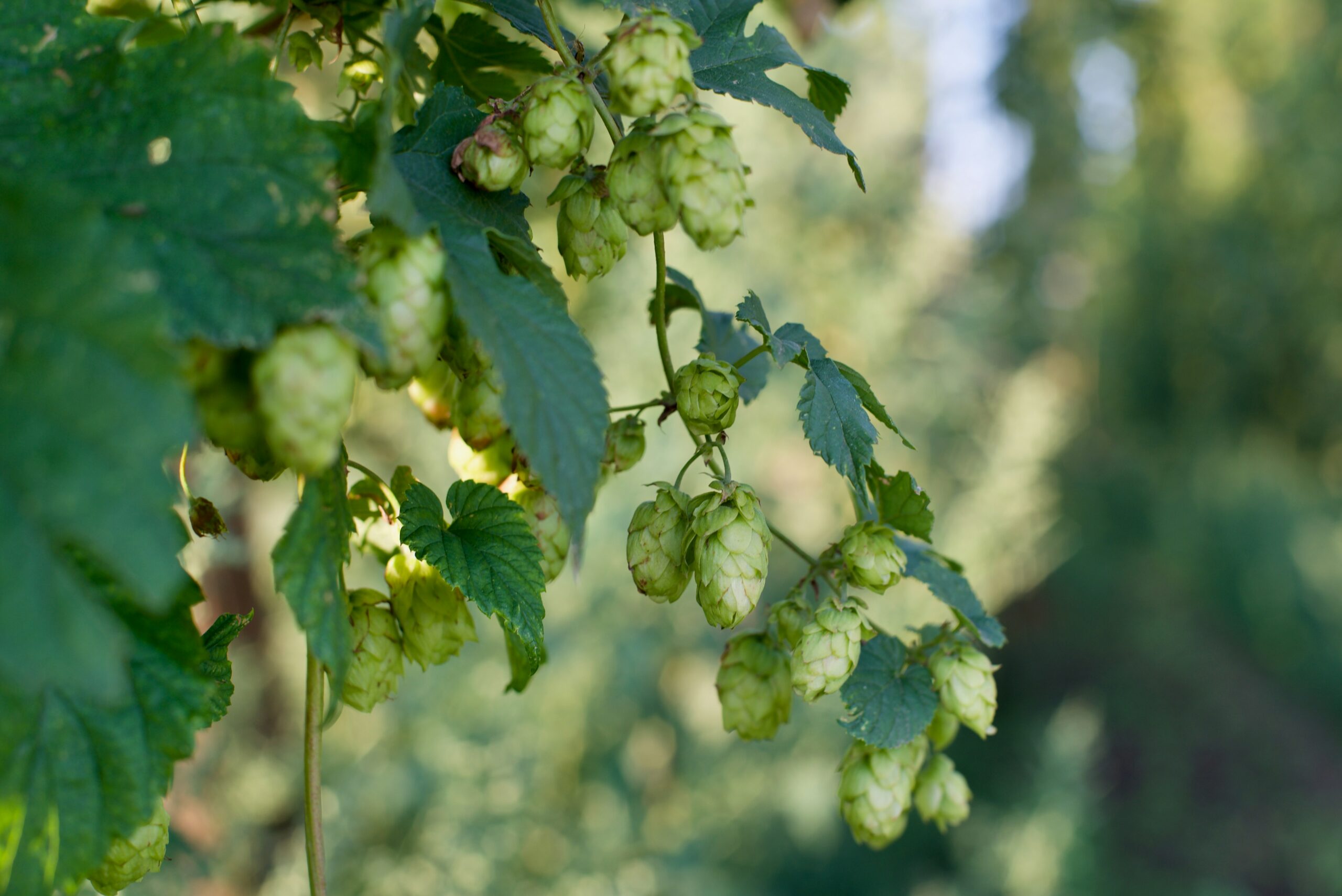
Suntory has identified genetic markers linked to drought-tolerant hop growth. A 4.2-hectare Czech field trial is now testing a variety bred to maintain yield and quality under drier conditions.
-
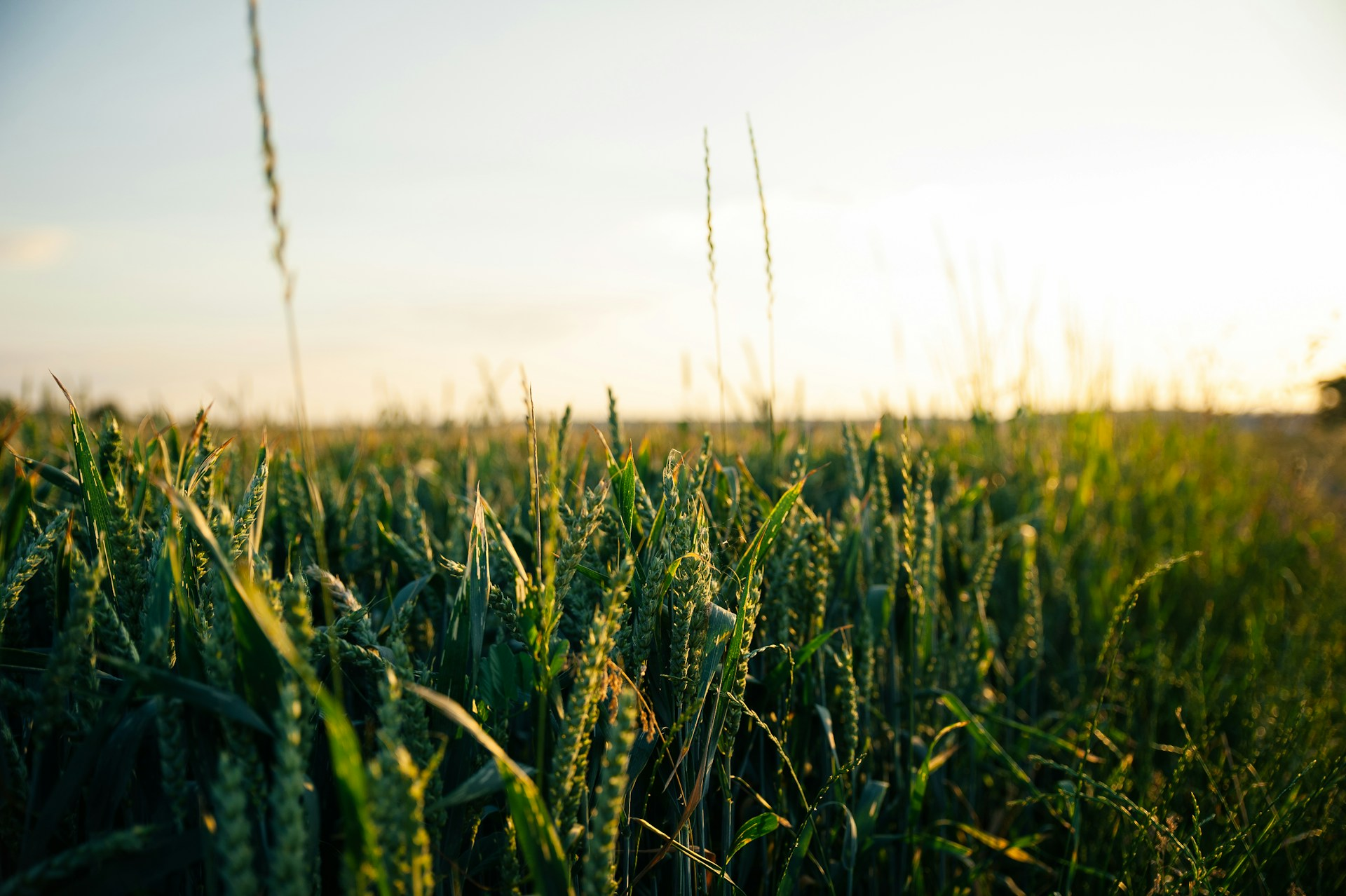
EU regulators are defining how new genomic technique rules operate. The Commission wants evidence on procedures for verification, release, and market applications before Regulation (EU) 2026/1388 applies in July 2028.
-
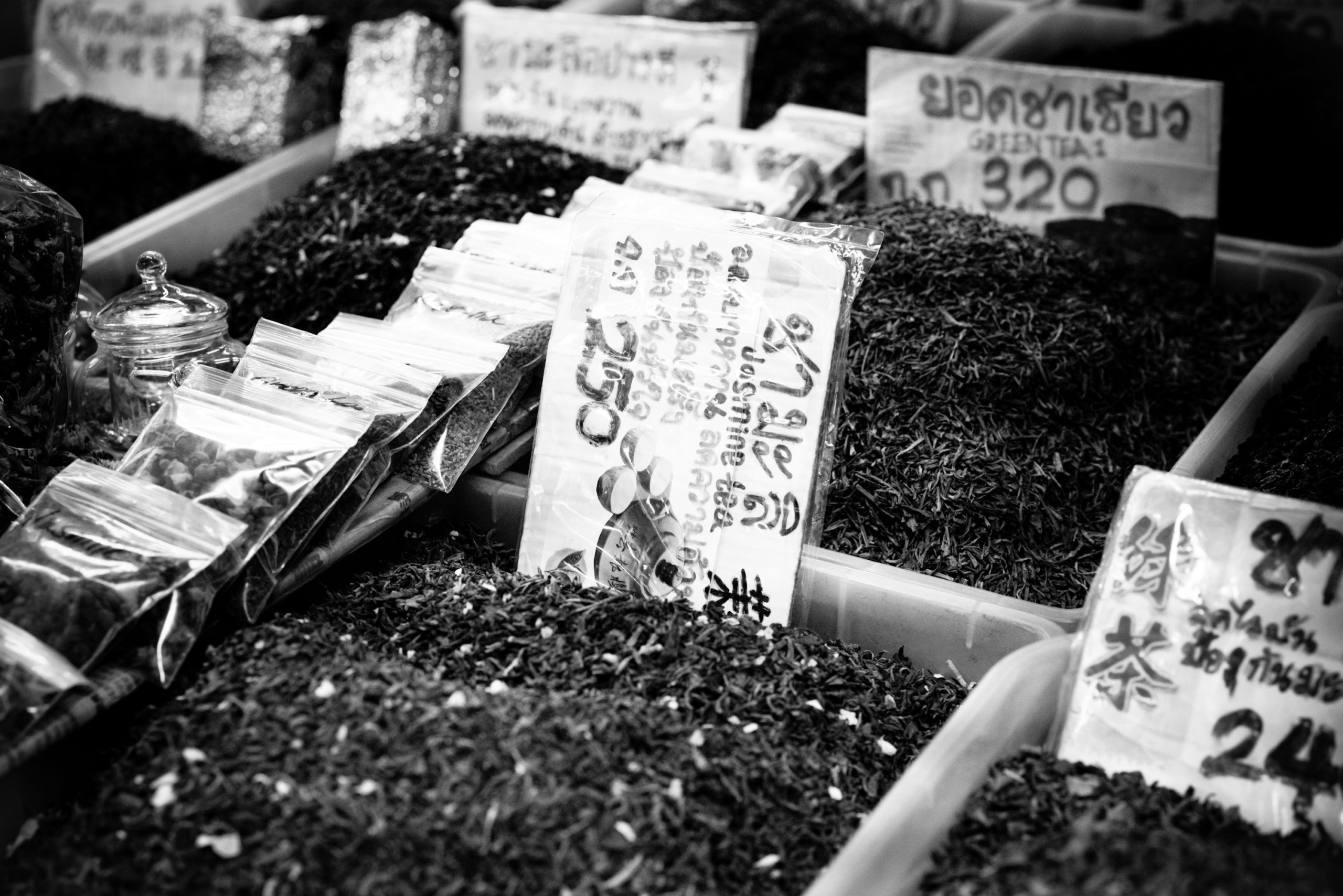
New framework ranks microbiological risks across dried food ingredient chains. The approach combines pathogen evidence, product use, supply-chain history, and downstream controls to support proportionate mitigation decisions.