
Category: Features
-
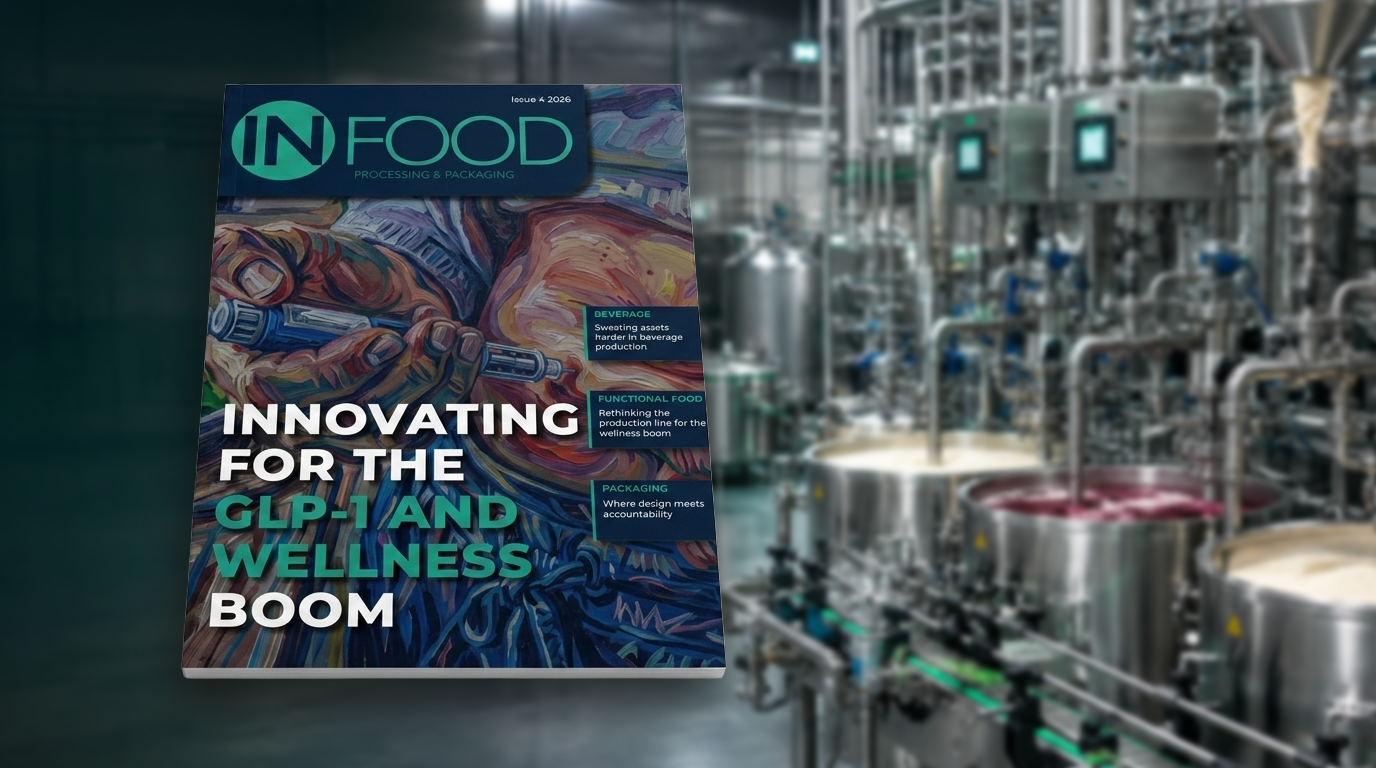
Food production is being asked to adapt faster than ever. Issue 4 examines the engineering consequences of GLP-1 adoption, functional formulations, tighter capacity, food safety, and packaging accountability.
-
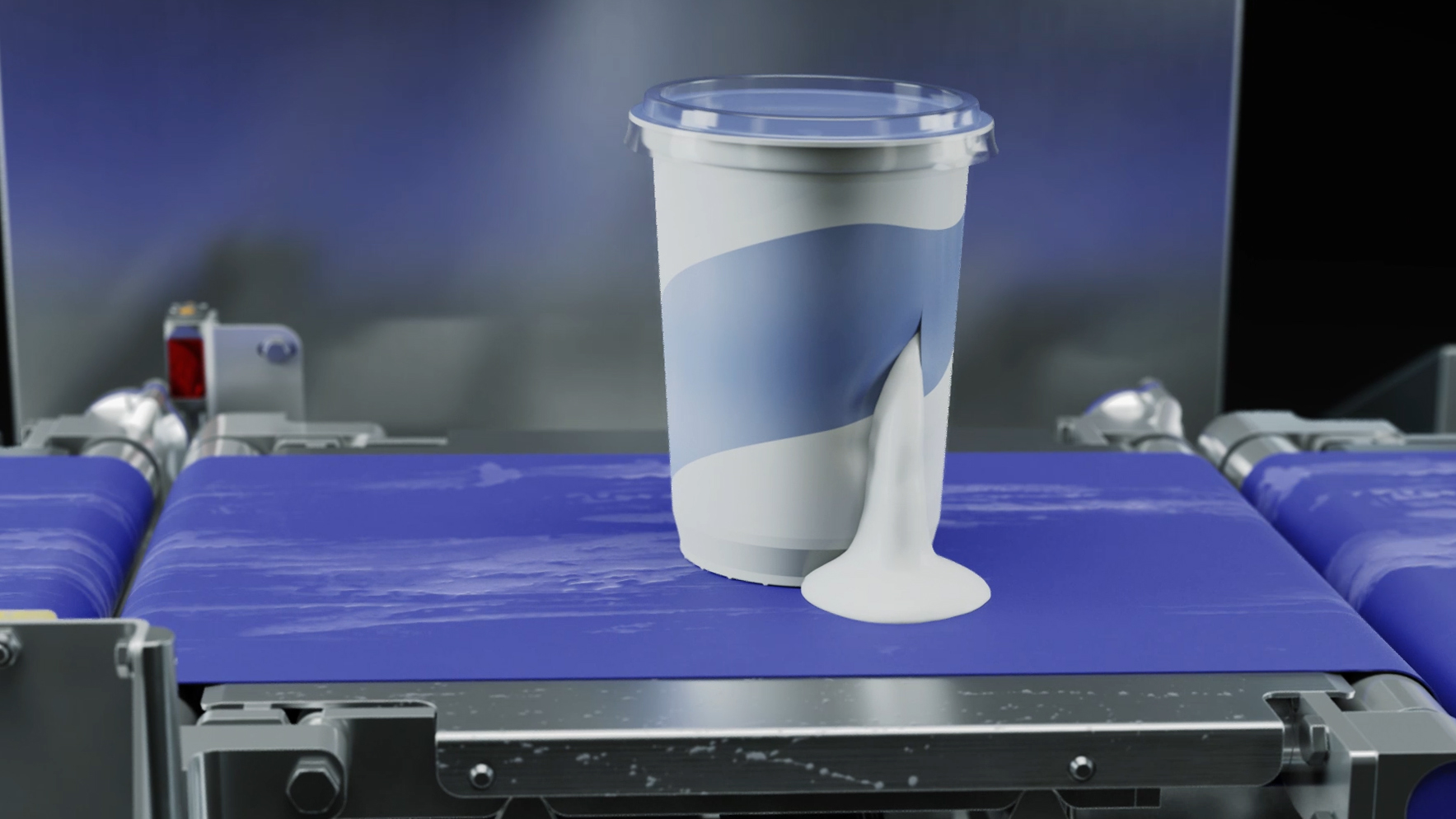
Checkweighing gives dairy producers tighter control over costly product giveaway. Frank Borrmann, Market Manager for the Strategic Business Unit Checkweighing and Vision at Mettler Toledo, explains how continuous weight verification can reduce overfill, detect drift, and support more stable dairy production.
-
Q2 tested food manufacturers’ exposure to regulation, ingredients, and costs. Distilled examines the deals, packaging rules, reformulation pressure, trade weakness, and safety incidents that shaped production planning.
-

Issue 3 of IN Food is live now for readers. The May/June edition brings together practical insight on packaging, processing, traceability, assurance, and cleaner heat.
-

Headed for interpack 2026 and not sure where to start? Start with our unofficial preview guide for visitors. It highlights the sessions, stands, and technologies most worth prioritising in Düsseldorf.
-
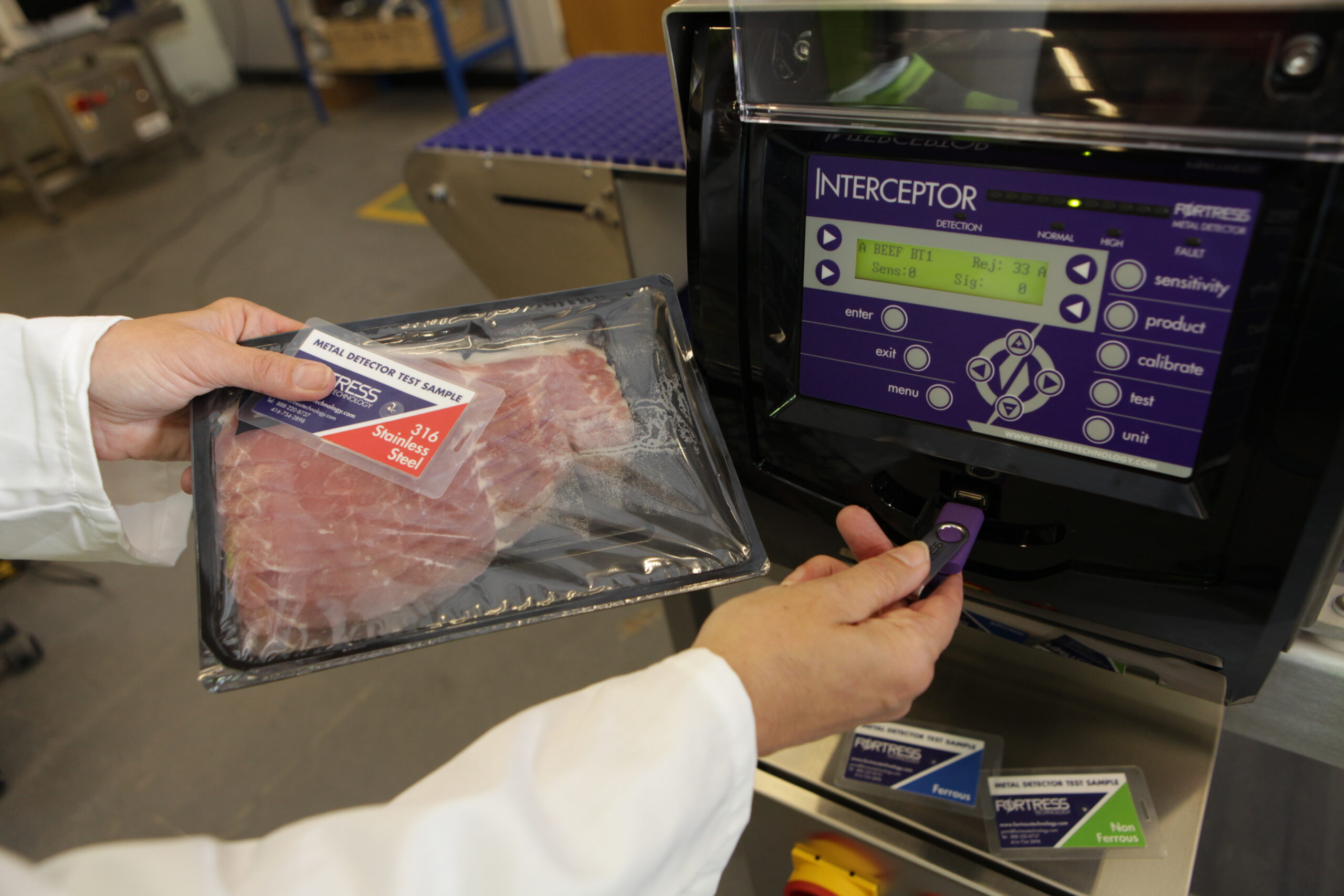
Food manufacturers can cut waste by tightening inspection and control. Fortress Technology argues that upstream metal detection, precision checkweighing, automated testing, and connected data tools can reduce false rejects, giveaway, contamination risk, and downtime across production.
-
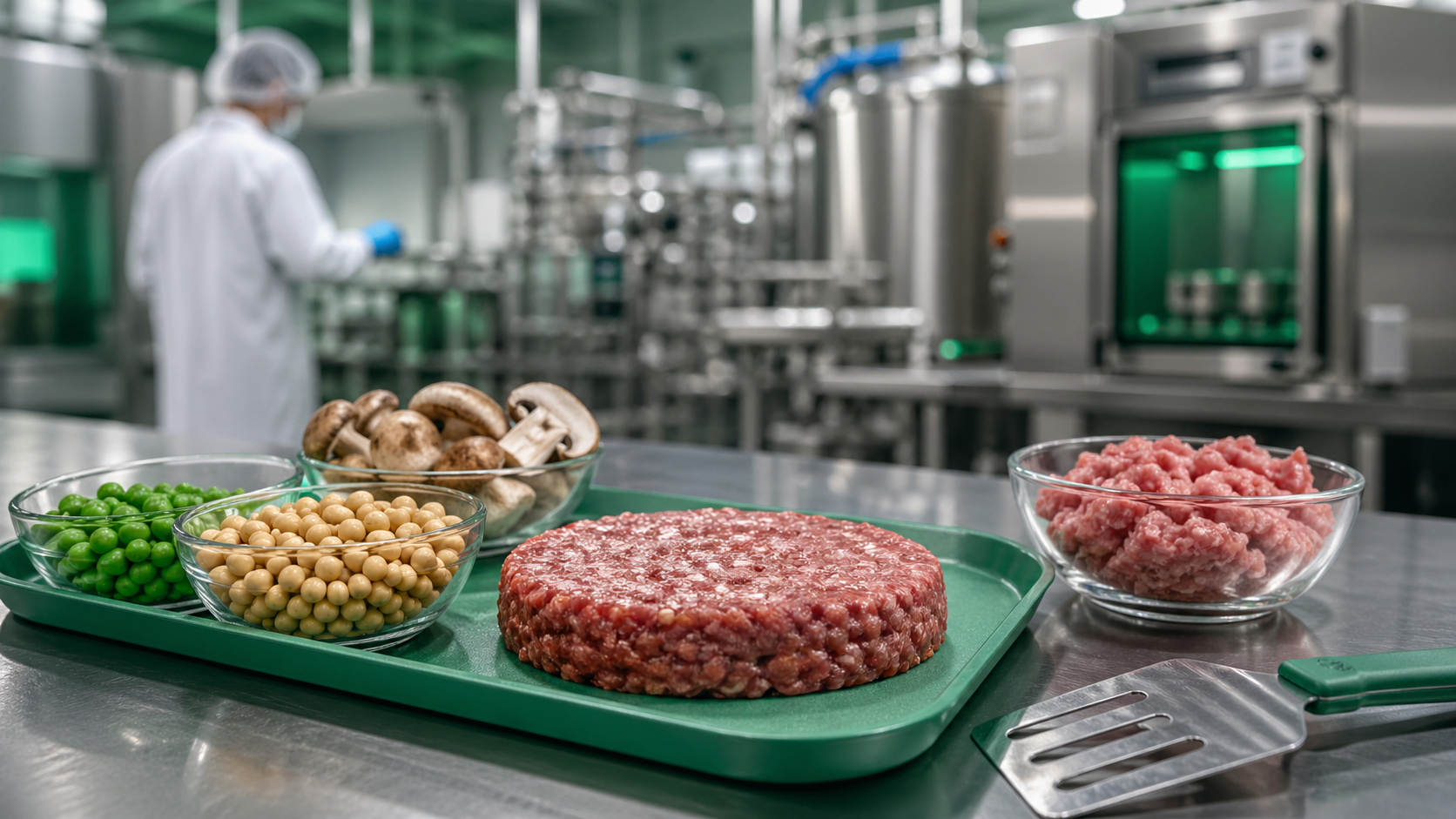
Hybrid meat offers food manufacturers a pragmatic route to reformulation. Dr Briony Sayers of ACI Group argues that partial meat substitution can improve nutrition, reduce emissions, and retain the taste and cooking performance consumers expect.
-

The April edition of IN Food is available to read. This edition tracks how tighter scrutiny is reshaping food manufacturing across regulation, process control, packaging, poultry, contaminant detection, and EPR.
-

March exposed how fragile food manufacturing economics still really are. Rising energy-linked packaging costs, packaging regulation, and strategic consolidation turned a hoped-for recovery month into a warning about conversion, compliance, and capacity.
-
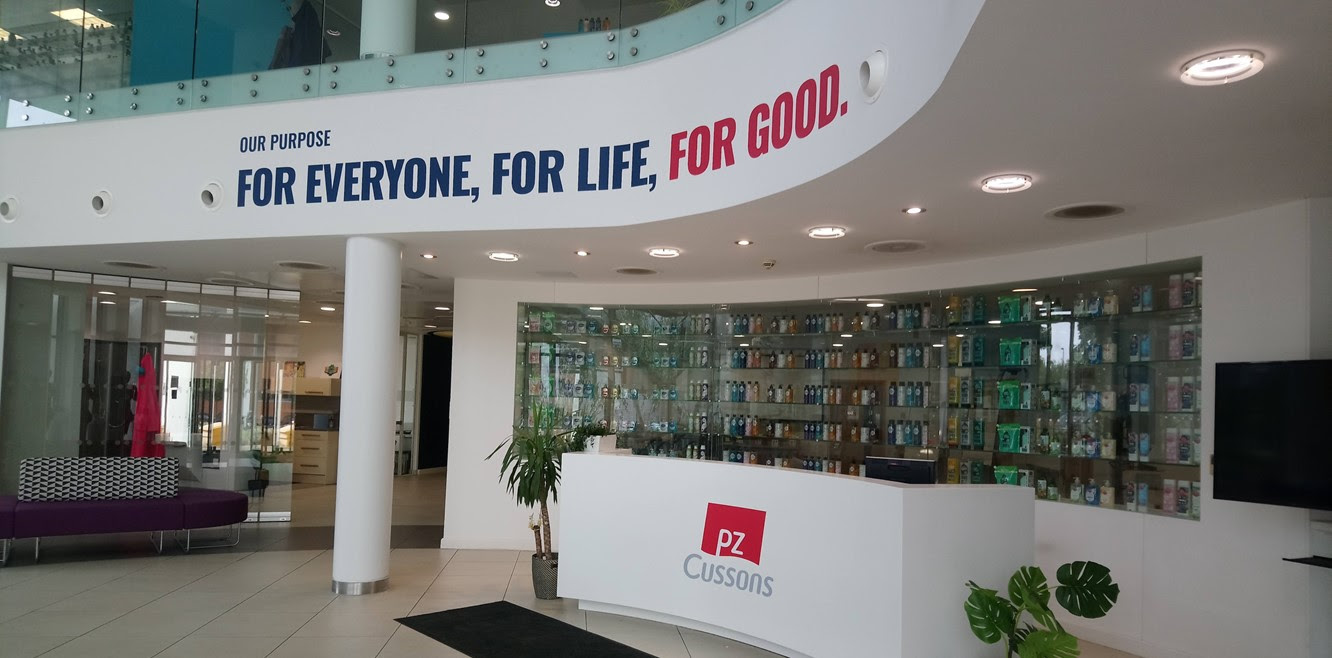
Packaging innovation now hinges on perception as much as precision. In this expert perspective, Carla Rae, Senior Procurement Manager at PZ Cussons, explains how lightweighting, circularity, and consumer touchpoints are reshaping packaging decisions across premium personal care production.