
Category: News
-
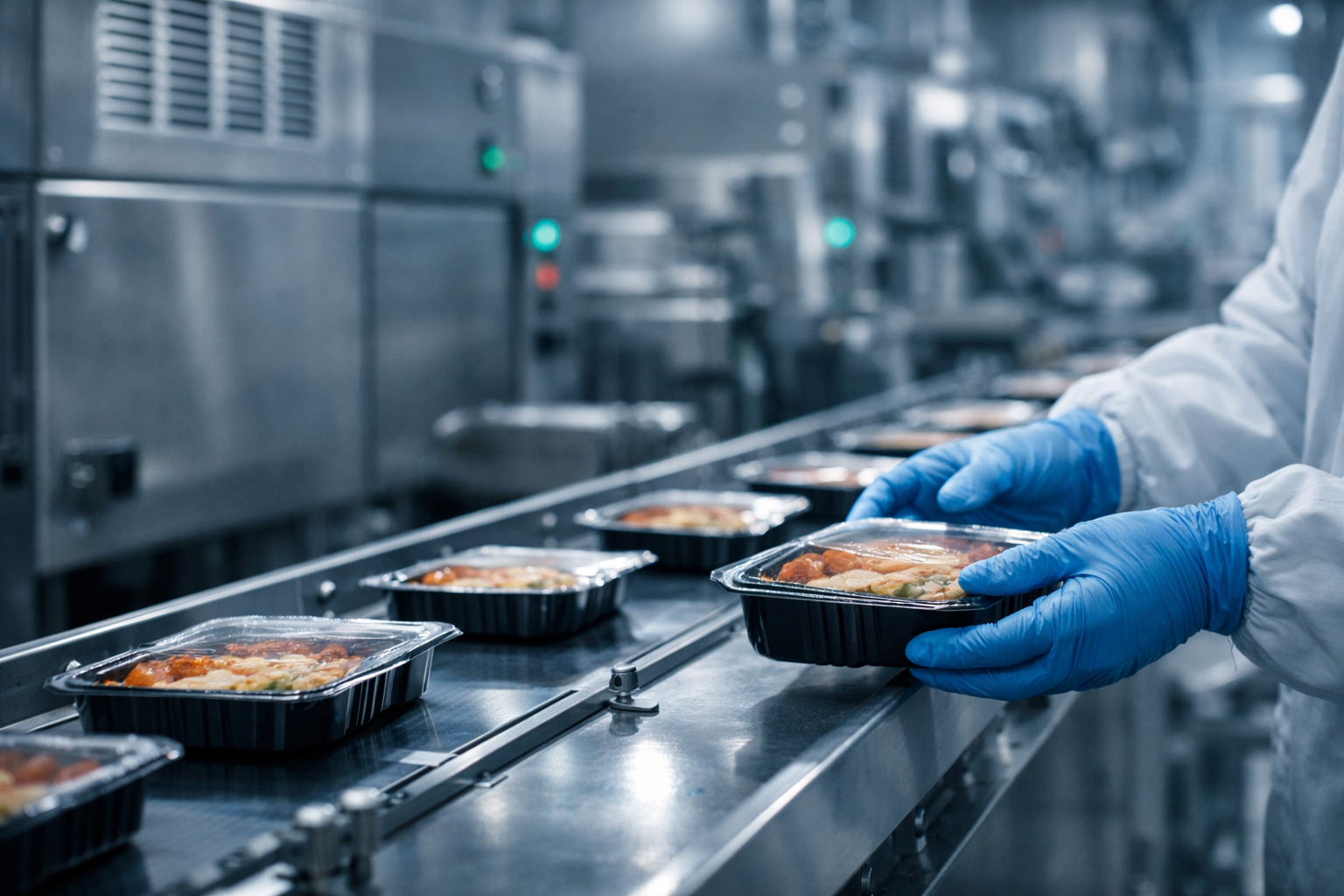
European import controls are shifting for several high-risk foods again. New certification requirements for US mollusk products and increased checks on selected imported foods will affect seafood, nuts, spices, sesame products, hydrocolloids, and other ingredient supply chains.
-
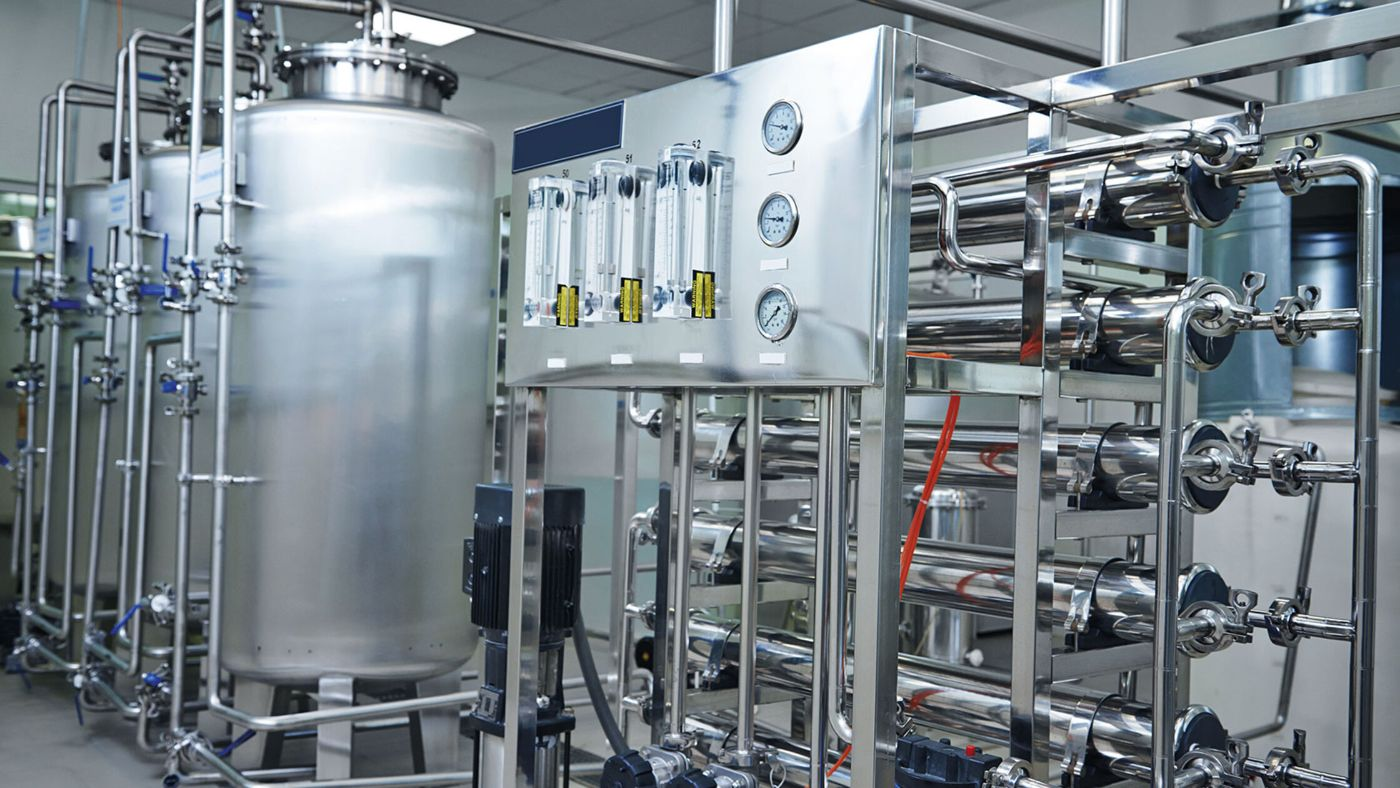
Hygienic flow measurement is becoming more connected, cleanable, and maintenance-light. ifm electronic has launched SU Puresonic Hygienic ultrasonic flow meters for food and beverage processes, with stainless steel measuring tubes, CIP and SIP compatibility, and IO-Link integration.
-
Synbiotic development is becoming more structured, targeted, and data led. Tate & Lyle and APC Microbiome Ireland have developed the Synbiotic Potential Score to identify stronger pairings between probiotic strains and prebiotic fibres earlier in product development.
-
Blue maize flour is targeting clean-label European snack production lines. Limagrain Ingredients is presenting blue masa flour for tortilla chips, stackable chips, and Tex-Mex-style formats, combining colour, texture, and gluten-free functionality.
-
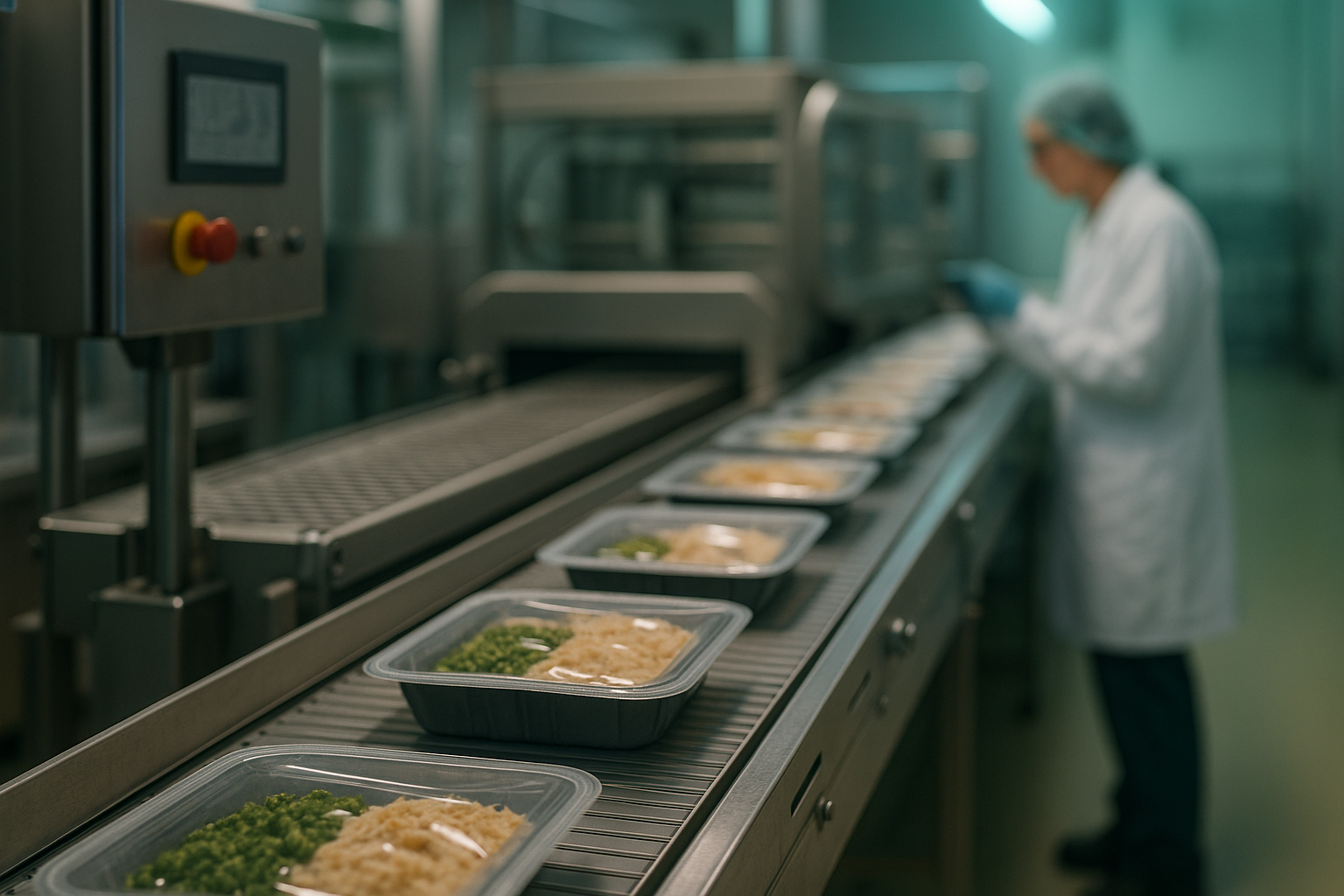
Functional inks are now taking on more packaging barrier work. Siegwerk has launched CIRKIT OXYBAR WHITE, combining oxygen protection and opaque white print functionality in one layer for recyclable flexible packaging structures.
-
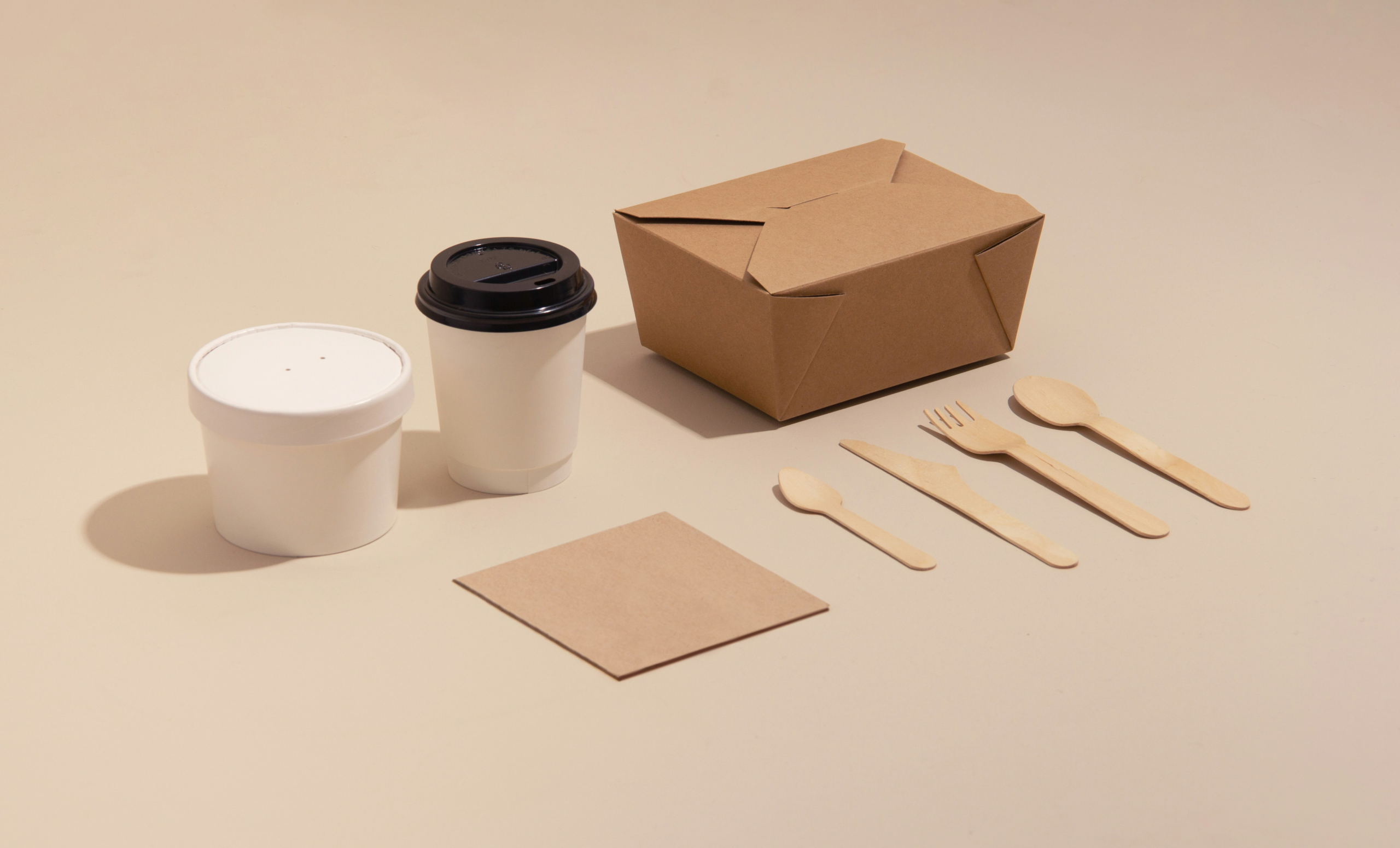
Moulded fibre production is moving into higher-capacity packaging systems globally. Valmet has launched 3D Fiber technology for industrial production of three-dimensional fibre-based packaging, including lightweight trays, plates, and food packaging applications.
-
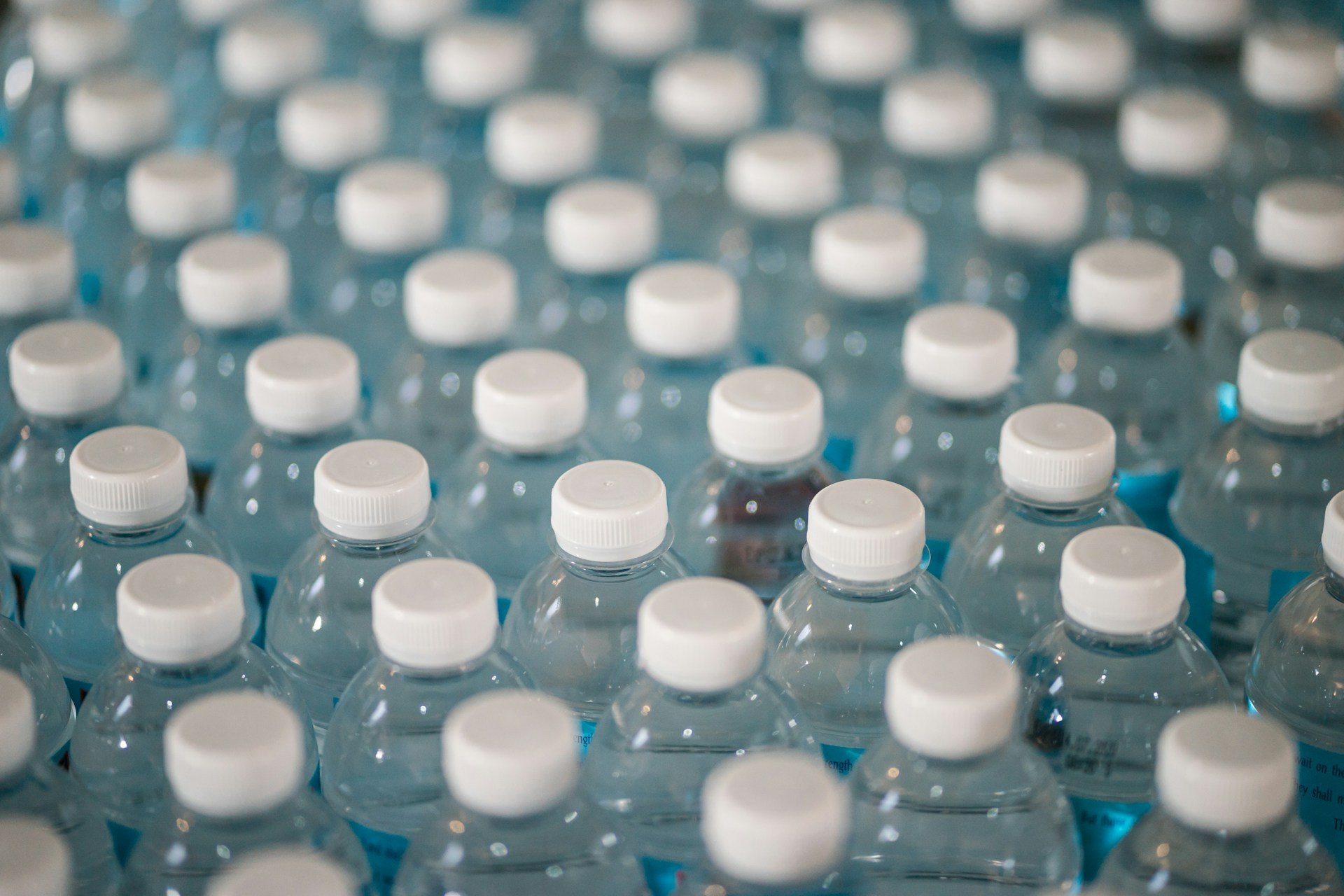
Glass lightweighting and reuse are converging in European wine packaging. Vetropack has developed a 350g Rhinewine bottle and a 514g reusable variant for Austria’s wine bottle pooling scheme, targeting lower glass use, transport weight, and returnable packaging infrastructure.
-
Low-carbon aluminium is entering European aseptic carton production at scale. Elopak is using renewable-electricity-based aluminium in standard ambient cartons made in the Netherlands, Denmark, and Ukraine, cutting the footprint of a Pure-Pak aseptic carton from 53g to 49g CO2e.
-
Recycled polypropylene film is moving deeper into food-contact flexible packaging. PureCycle Technologies and Innovia Films have produced white cavitated BOPP film with more than 40% post-consumer recycled content for confectionery, snacks, frozen novelties, and roll-fed labels.
-
Berlin Packaging has expanded its UK packaging services footprint further. The BlueSky acquisition adds containers, closures, dispensing, printing, and decoration capability across beverage and specialist markets.